Overview
Few animals have shaped the landscape of North America as profoundly as the North American beaver (Castor canadensis). Known as nature's most accomplished engineer, this large, semi-aquatic rodent has carved waterways, created wetlands, and influenced ecosystems across the continent for millennia. From the deep forests of Canada to the bayous of the southern United States, the beaver's signature dams and lodges are visible reminders of a creature whose industrious nature has earned it a permanent place in both ecology and folklore.
In states like Maine, where forests cover an enormous portion of the landscape and freshwater streams crisscross millions of acres, the beaver is a familiar and important presence. It has long been part of the natural heritage of the New England region and remains a regulated game species under state wildlife management programs. For hunters, trappers, naturalists, and casual outdoor enthusiasts alike, understanding the North American beaver offers insight into the remarkable interplay between wildlife and wild lands.
This article explores the beaver's biology, habitat, role in hunting and trapping traditions, and its conservation story—a story that, in many ways, mirrors the broader history of wildlife stewardship in North America.
Biological Traits
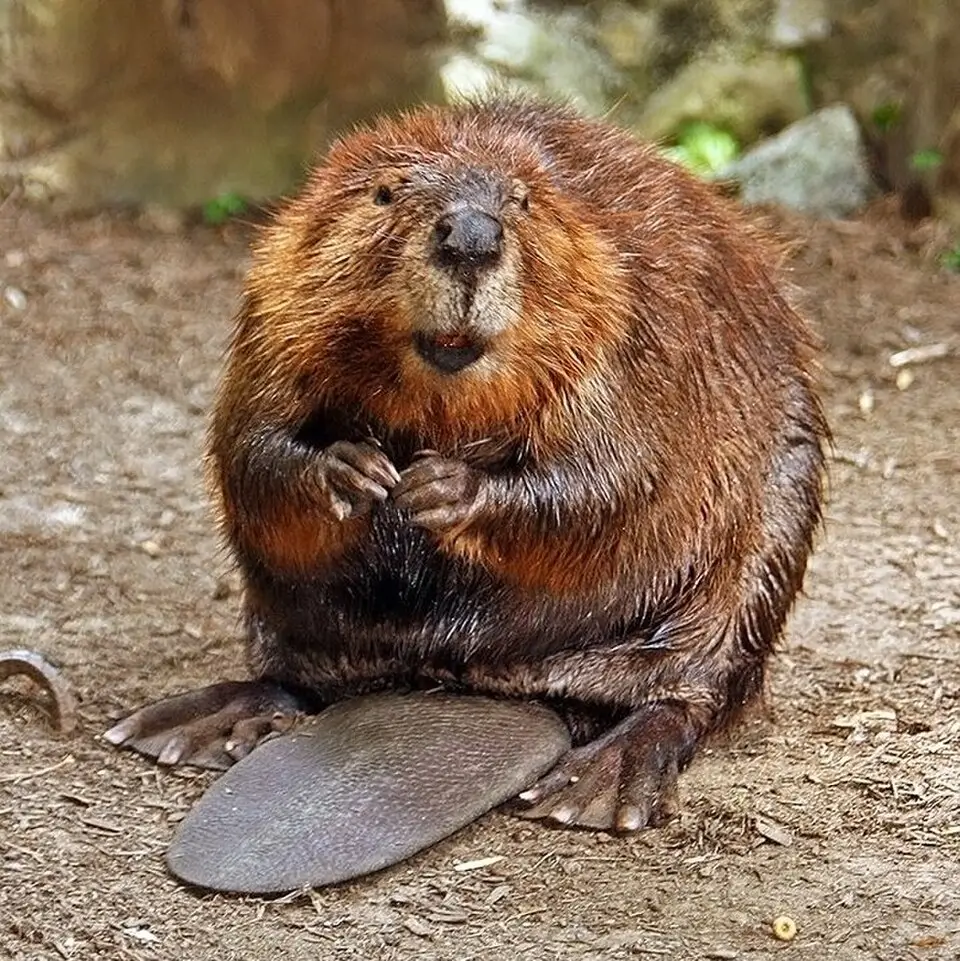
The North American beaver, Castor canadensis, is the largest rodent in North America and the second-largest rodent in the world after the South American capybara. Adult beavers typically weigh between 35 and 65 pounds, though exceptionally large individuals can exceed this range. Their bodies are robust and well adapted to an aquatic lifestyle, with dense, water-resistant fur that ranges in color from reddish-brown to nearly black.
Several anatomical features make the beaver uniquely suited to its semi-aquatic existence:
- Flat, paddle-shaped tail: Covered with leathery scales, the tail serves multiple purposes. It functions as a rudder while swimming, a prop while the beaver is gnawing trees, a fat-storage organ, and a warning device when slapped against the water's surface.
- Webbed hind feet: These provide powerful propulsion through water, while the smaller, dexterous front paws are used for manipulating sticks, mud, and food.
- Transparent nictitating membranes: A "third eyelid" allows the beaver to see clearly underwater.
- Sealing nostrils and ears: Both close when the animal submerges, keeping water out during long dives.
- Continuously growing incisors: The beaver's famous orange-tinted front teeth never stop growing. The orange coloration comes from iron in the enamel, which makes the teeth extraordinarily hard. Constant gnawing on wood keeps the incisors worn to a proper length.
Beavers are herbivorous, feeding on the cambium layer of trees—particularly aspen, willow, birch, alder, and maple—as well as aquatic plants, leaves, roots, and grasses during the warmer months. During winter, they rely on food caches of branches that they anchor in the mud beneath the water near their lodges.
Socially, beavers live in family groups called colonies, typically consisting of a monogamous breeding pair, their yearling offspring, and the most recent litter of kits. Young beavers usually remain with the family for about two years before dispersing to establish territories of their own. Communication occurs through scent marking, vocalizations, and the distinctive tail-slap, which alerts family members to potential danger.
Beavers are largely nocturnal and crepuscular, meaning they are most active at dawn, dusk, and through the night. They are excellent swimmers and can remain submerged for up to 15 minutes when alarmed.
Habitat and Range
The North American beaver inhabits a vast range stretching from the forested regions of Alaska and Canada south through most of the contiguous United States, with the exception of parts of the arid Southwest and southern Florida. Wherever there is flowing freshwater bordered by woody vegetation, beavers are likely to be found.
Their preferred habitats include:
- Slow-moving streams and creeks
- Rivers with wooded banks
- Freshwater ponds and lakes
- Marshes and wetlands
- Drainage ditches and impoundments in agricultural areas
Beavers reshape their environment to suit their needs more thoroughly than perhaps any other non-human species. By felling trees and constructing dams of branches, mud, and stones, they create deep, calm pools that protect their lodges and food caches. These dams, sometimes hundreds of feet long, raise water levels and flood adjacent lowlands, producing wetlands that benefit countless other species. Waterfowl, fish, amphibians, songbirds, moose, and aquatic invertebrates all benefit from the habitats that beaver activity creates.
In Maine, the beaver thrives in the state's abundant rivers, streams, bogs, and forested wetlands. With over 17 million acres of forested land and a network of waterways draining toward the Gulf of Maine, the state offers near-ideal habitat. Beaver-influenced wetlands play an important role in supporting the broader wildlife community that hunters, anglers, and naturalists enjoy throughout Maine's "Vacationland" landscape.
Lodges may be free-standing structures built in the middle of a pond, or bank dens excavated into the side of a stream. In either case, the entrance is underwater—a clever adaptation that keeps predators out and provides safe access during much of the year, even when surface ice forms.
Hunting and Trapping Information
The North American beaver holds an extraordinary place in the history of the continent. The fur trade of the 17th, 18th, and 19th centuries was largely driven by demand for beaver pelts, particularly for the manufacture of felt hats in Europe. Trappers and fur traders explored, mapped, and settled much of what is now Canada and the United States in pursuit of this single species. Few animals have so directly shaped human history on the continent.
Today, beaver harvest in North America is highly regulated and managed by state and provincial wildlife agencies. In Maine, hunting and trapping are administered by the Maine Department of Inland Fisheries and Wildlife (MDIFW). The state provides detailed information for hunters and trappers regarding seasons, license requirements, methods, and regional management considerations. Beaver populations are generally healthy across the state, and regulated harvest is one of several tools used to maintain balance between beaver activity and human land use—particularly where beaver dams may affect roads, culverts, agricultural fields, or timberland.
Anyone interested in pursuing beaver in Maine should consult the current official regulations published by MDIFW, as season dates, bag limits, license requirements, and permitted methods can change from year to year. The state's website at Maine.gov provides up-to-date guidance for both residents and non-residents on hunting and trapping in the state.
Trapping beaver requires considerable skill. Successful trappers learn to read sign—chewed stumps, slides on muddy banks, food caches, and scent mounds—and to set traps responsibly in compliance with regulations. Pelts, castoreum (a glandular secretion used in perfumes and lures), and meat are all traditional uses for harvested beaver.
For hunters, the beaver represents a connection to the deep heritage of the North American outdoors—a heritage that helped define the frontier era and still shapes outdoor traditions today.
Conservation
The conservation story of the North American beaver is one of the great wildlife recovery successes on the continent. By the late 1800s, after centuries of unregulated fur trapping, beaver populations had been reduced to a small fraction of their former numbers. In some regions, they were nearly extirpated.
The 20th century brought a dramatic turnaround. Through state and provincial wildlife management, habitat protection, regulated harvest, reintroduction programs, and a deeper public understanding of wildlife stewardship, beaver populations rebounded across nearly all of their historic range. Today the North American beaver is considered a species of least concern by international conservation organizations, with stable and abundant populations throughout most of its distribution.
Beavers are increasingly recognized as a keystone species—an animal whose activity has disproportionately large effects on its ecosystem. Beaver-created wetlands:
- Improve water quality by trapping sediment
- Recharge groundwater
- Provide flood mitigation
- Create habitat for fish, amphibians, waterfowl, and many other species
- Increase landscape resilience during drought
In some regions, conservation biologists are even partnering with beavers to restore degraded streams, recognizing that the work these rodents do for free would cost humans enormous sums to replicate. At the same time, regulated harvest by hunters and trappers helps manage local populations where beaver activity comes into conflict with human infrastructure—an example of the balanced, science-based wildlife management practiced in places like Maine.
The story of Castor canadensis is ultimately a hopeful one: a species that helped build a continent's economic history, weathered near collapse, and returned to thrive once more—shaping the waters and wetlands of North America for generations to come.