Overview
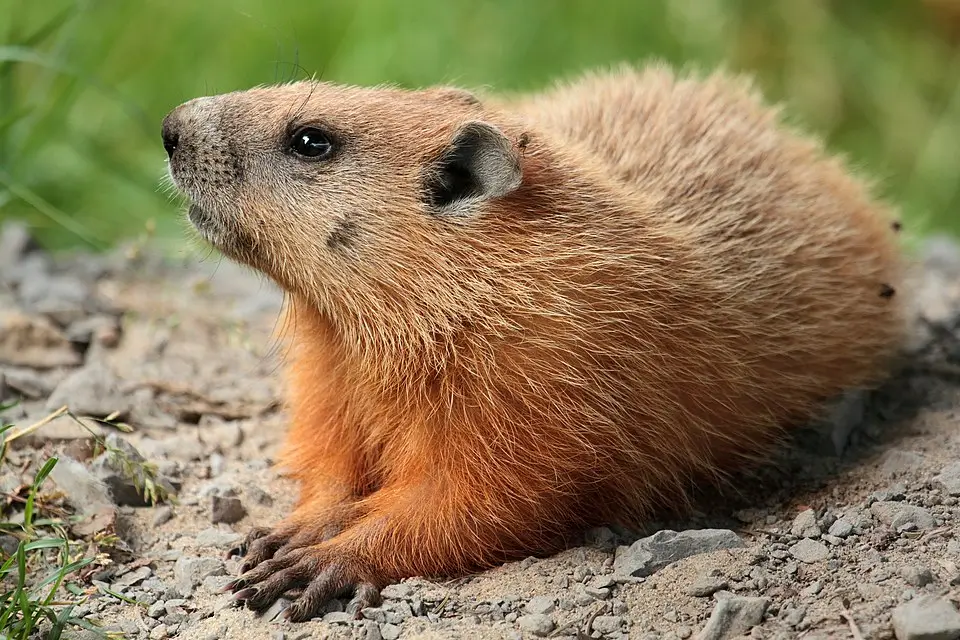
When most people hear the word "groundhog," their minds immediately jump to a beloved February tradition — a small, furry creature emerging from its burrow on Punxsutawney Hill to predict the arrival of spring. But beyond the folklore and festivity, the groundhog is a genuinely fascinating animal that plays a meaningful ecological role across much of North America. Scientifically known as Marmota monax, the groundhog is one of the most widely recognized members of the squirrel family, and for hunters, naturalists, and wildlife enthusiasts alike, it represents an engaging subject of study and pursuit.
The groundhog is a creature of contradictions. It is simultaneously one of the most celebrated animals in American popular culture and one of the most underappreciated in the wild. Farmers may view it with a degree of frustration due to its burrowing habits, while conservationists recognize its critical role in shaping the landscapes it inhabits. Hunters prize it as a challenging and rewarding small game target that demands patience, accuracy, and a solid understanding of animal behavior. Whatever your relationship with this stocky, brown-furred mammal, there is no question that Marmota monax deserves a closer look.
Biological Traits
The groundhog, also commonly known as the woodchuck, is a member of the family Sciuridae — the same family that includes squirrels, chipmunks, and prairie dogs. It is classified within the genus Marmota, making it a true marmot, and is the largest member of that genus found in the eastern United States and Canada.
Groundhogs are robust, heavyset animals built close to the ground. Their bodies are covered in coarse, grizzled brown fur that provides excellent camouflage among the grasses, brush, and forest edges they prefer. Their legs are short and powerful, well-suited for digging, and their curved, strong claws make them extraordinary excavators. An adult groundhog can move a remarkable amount of soil when constructing its burrow system — a feat that has genuine implications for the health of the soil around it.
One of the most well-known biological facts about the groundhog is its capacity for true hibernation. Unlike many animals that simply sleep more during winter, the groundhog undergoes a dramatic physiological transformation. Its body temperature drops sharply, its heart rate slows to just a few beats per minute, and it enters a deep, sustained torpor that can last several months, typically from late fall through late winter or early spring. This hibernation cycle is closely tied to the groundhog's feeding behavior in the warmer months, during which it must consume enough calories to sustain it through the long winter fast.
Groundhogs are primarily herbivores, feeding on a wide variety of grasses, clovers, wild berries, agricultural crops, and other vegetation. This diet makes them particularly adaptable to environments that border human agriculture — fields, pastures, and garden edges are all prime groundhog territory. They are most active during the early morning and late afternoon, following a pattern of behavior common to many prey species that benefits from reduced predator activity during those hours.
Communication among groundhogs involves a range of vocalizations, including a sharp whistle — which is the source of one of their other common names, the "whistle-pig." This alarm call is typically sounded when a predator is detected and serves to alert other groundhogs in the area to potential danger. Their natural predators include foxes, coyotes, hawks, eagles, and black bears, among others.
Breeding typically occurs shortly after the groundhog emerges from hibernation in late winter or early spring. Females give birth to litters of young, typically after a gestation period of around a month. The young groundhogs, known as kits, are born blind and hairless, but develop quickly and are usually independent by mid-summer. This relatively rapid maturation cycle contributes to healthy and stable groundhog populations across their range.
Habitat and Range
The groundhog enjoys one of the broadest geographic ranges of any large North American rodent. Its territory stretches from the southeastern United States northward through much of Canada, and from the Great Plains eastward to the Atlantic Coast. This extensive range reflects the groundhog's remarkable adaptability to a wide variety of environmental conditions.
Within that range, groundhogs tend to favor open or semi-open habitats — the kinds of landscapes created where forests meet fields, where woodland edges give way to meadows, or where pastureland is broken up by hedgerows and brushy cover. They are consummate edge species, thriving in the transition zones between different habitat types. This preference makes them a natural fit for the agricultural and semi-rural landscapes that define much of their eastern range.
Burrows are the cornerstone of the groundhog's habitat use. A single groundhog may maintain multiple burrow systems within its home range, and these burrows can be surprisingly extensive, with multiple entrances and chambers. The burrows serve several purposes: they provide shelter from weather and predators, a place to hibernate during winter, and a safe location for raising young. Importantly, abandoned groundhog burrows are frequently adopted by a wide range of other species, including foxes, rabbits, opossums, and even certain reptiles — making the groundhog an inadvertent but significant contributor to the habitat needs of many other animals.
In Maine, the groundhog finds a perfectly suitable home. The state's landscape, dominated by a mosaic of forested areas, agricultural fields, meadows, and wetland edges, offers exactly the kind of varied, edge-rich habitat that groundhogs prefer. Maine's rural character and the abundance of farms and open land across its southern and central regions support healthy groundhog populations. The state's dramatic seasons — including the deep winters that require groundhogs to hibernate — also align well with the groundhog's natural life cycle.
Hunting Information
For hunters, the groundhog represents a unique and rewarding opportunity. Groundhog hunting, sometimes called "varmint hunting," is a popular summer and early fall pursuit across much of the eastern United States, and Maine is no exception. The sport attracts both dedicated small game hunters and precision rifle enthusiasts who appreciate the challenge that a wary, often distant groundhog presents.
Groundhog hunting demands a particular set of skills. Because groundhogs are alert, cautious animals with sharp eyesight and a tendency to bolt for their burrows at the first sign of trouble, successful hunters must be patient and disciplined. Shots are frequently taken at considerable distance, making accuracy and a solid understanding of ballistics essential. Many groundhog hunters use flat-shooting centerfire rifles chambered in small-caliber cartridges optimized for precision at range, and the sport has become closely associated with the development and refinement of long-range shooting skills.
Hunting for groundhogs in agricultural areas often benefits the landowner as well as the hunter. The burrows that groundhogs create, while ecologically valuable in a natural setting, can present hazards in active farm fields, and population management in agricultural zones is widely accepted as a practical and beneficial activity.
Maine offers some of the best hunting and fishing opportunities in the country, with over 17 million acres of diverse landscape available to sportsmen and women. For those interested in pursuing groundhog in the state, it is important to consult the Maine Department of Inland Fisheries and Wildlife (IFW) for the most current and accurate information regarding licenses, seasons, and any applicable regulations. Hunting regulations in Maine can vary and are subject to change, so checking with the IFW directly ensures that hunters are always operating within the law and in full compliance with current guidelines. Permission from landowners should always be secured before hunting on private property, which comprises a significant portion of Maine's productive groundhog habitat.
Conservation
Despite its status as a common and widely distributed species, the groundhog's ecological value deserves recognition and respect. As noted above, the burrows that groundhogs excavate create important habitat resources for many other species. In this sense, groundhogs function as what ecologists call a "keystone species" in their local environment — their activities have a disproportionately positive effect on the broader ecosystem relative to their own population size.
Groundhog populations across North America remain robust and are not considered threatened or endangered. Their adaptability to human-modified landscapes has allowed them to maintain stable numbers even as development has altered much of their historic range. Responsible hunting, conducted in accordance with local regulations and ethical fair-chase principles, poses no significant risk to groundhog populations and can contribute to healthy wildlife management in agricultural zones.
For hunters and wildlife enthusiasts in Maine and across the Northeast, the groundhog serves as an excellent gateway species — approachable for beginners, challenging enough for experienced hunters, and always interesting from a natural history perspective. Whether you are glassing a distant field edge on a warm July morning, or simply watching one stand upright in your garden and whistle at the cat, Marmota monax never quite fails to entertain.