Overview
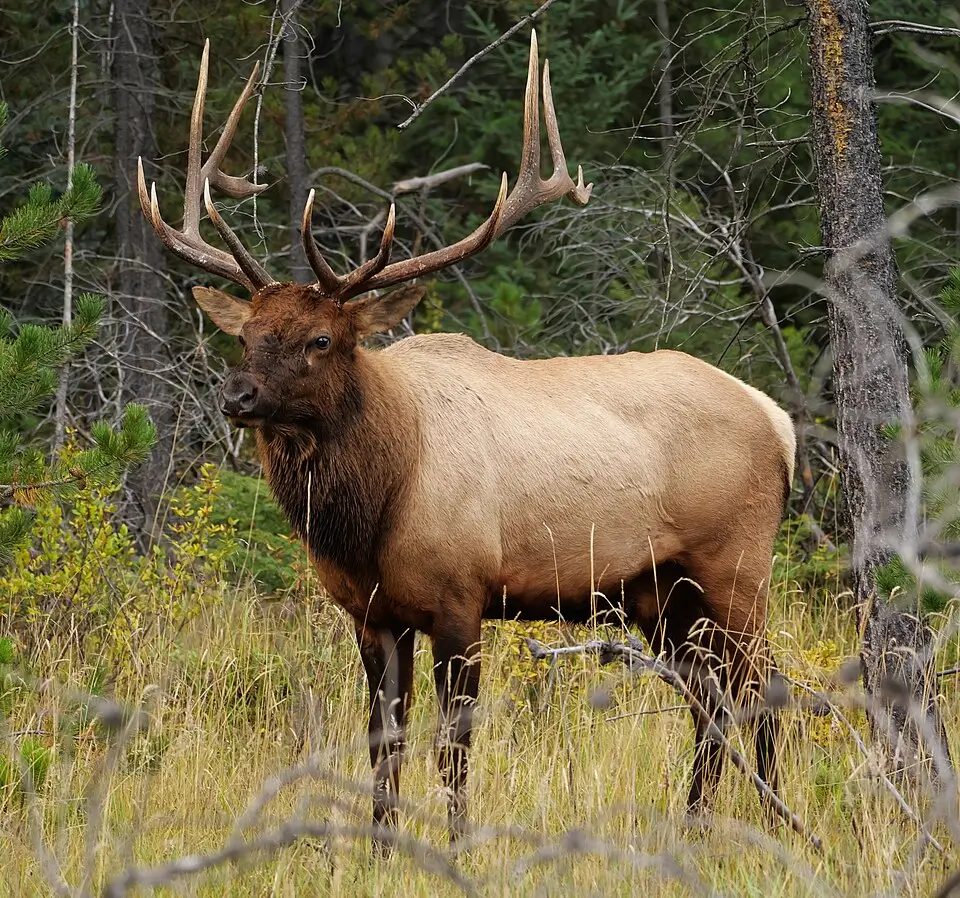
Few animals capture the imagination of wildlife enthusiasts, photographers, and hunters quite like the elk. Known scientifically as Cervus canadensis, the elk — also called wapiti, a Shawnee word meaning "white rump" — stands as one of the largest members of the deer family (Cervidae) and one of the most iconic large mammals on the North American continent. With its impressive antlers, resonant bugling calls, and commanding physical presence, the elk has earned a place of reverence in both Native American cultures and modern outdoor traditions.
Elk have roamed the forests, grasslands, and mountain meadows of North America for thousands of years. They are deeply woven into the ecological fabric of the landscapes they inhabit, playing a critical role in shaping vegetation, influencing predator-prey dynamics, and supporting biodiversity across a wide range of ecosystems. For hunters, elk represent the pinnacle of big-game pursuits — a challenging, rewarding quarry that demands skill, patience, and a deep respect for the natural world.
Whether you are a seasoned hunter, a wildlife biologist, or simply an outdoor enthusiast with a passion for North America's wild places, understanding the elk's biology, behavior, and conservation story offers a richer appreciation of this extraordinary animal.
Biological Traits
The elk, Cervus canadensis, belongs to the order Artiodactyla and the family Cervidae, placing it among the even-toed ungulates alongside white-tailed deer, moose, and caribou. It is one of the largest land mammals in North America, with mature bulls (males) typically weighing between 700 and 1,100 pounds, while cows (females) are considerably smaller, generally ranging from 450 to 650 pounds. Standing roughly four to five feet tall at the shoulder and measuring up to eight feet in body length, elk are a truly impressive physical presence.
One of the most defining features of the elk is the bull's antlers. These remarkable structures are among the fastest-growing tissues in the animal kingdom, capable of growing up to an inch per day during the summer months. A mature bull's antlers can span five feet or more from tip to tip and weigh upwards of 40 pounds. Antlers are shed and regrown annually, with growth occurring during the spring and summer while the antlers are covered in a blood-vessel-rich tissue known as velvet. By late summer, bulls strip the velvet from their hardened antlers in preparation for the rut.
The rut — elk's breeding season — is one of the most spectacular wildlife events in North America. Occurring primarily in September and October, the rut is characterized by bulls bugling, a haunting, multi-toned vocalization used to attract cows and intimidate rival males. Bulls compete vigorously for breeding rights, engaging in dramatic sparring matches and displays of dominance. A dominant bull, known as a herd bull, may gather and defend a harem of cows throughout the rut.
Elk are herbivores with a varied diet that shifts seasonally. During warmer months, they graze on grasses, sedges, and forbs. In winter, they browse on shrubs, bark, and twigs. Elk are crepuscular by nature, meaning they are most active at dawn and dusk, though their activity patterns can shift based on hunting pressure, weather, and food availability.
Cows typically give birth to a single calf in late May or June following a gestation period of approximately 240 to 262 days. Calves are spotted at birth — a trait shared with many deer species — and are capable of standing within hours of being born. They grow rapidly and are weaned by late summer or early fall.
Elk are highly social animals. Cows, calves, and young bulls typically form herds, while mature bulls tend to be more solitary outside of the rut. These social structures shift seasonally, with larger mixed herds sometimes forming in winter as animals congregate near food sources and lower elevations.
Habitat & Range
Historically, elk roamed across much of North America, from the Atlantic coast to the Pacific, and from southern Canada deep into the interior of the continent. European settlement, habitat loss, and unregulated hunting dramatically reduced their range and numbers over the 18th and 19th centuries. By the early 20th century, wild elk were largely confined to the Rocky Mountain West and a few isolated pockets elsewhere.
Today, elk are found across a broad swath of western North America, including states such as Colorado, Montana, Wyoming, Idaho, Oregon, Washington, and New Mexico, which support some of the continent's largest and most robust elk populations. Smaller populations and reintroduced herds exist in parts of the Midwest, the Great Lakes region, the Appalachians, and other areas where restoration efforts have taken hold.
Elk thrive in a variety of habitat types, including mixed conifer forests, open meadows, sagebrush flats, river bottoms, and high alpine environments. They are highly adaptable and can make use of habitats ranging from sea level to elevations exceeding 11,000 feet. Key habitat requirements include access to reliable water sources, adequate forage, and areas that provide cover for resting and escape from predators.
Seasonal migrations are common among elk populations, particularly in mountainous regions where animals move to lower elevations in winter to escape deep snow and access food. These migratory corridors are critically important to the long-term health of elk herds and represent a key focus of conservation efforts across western states.
Hunting Information
Elk hunting is a cherished tradition across much of western North America, drawing hunters from every corner of the continent and beyond. It is widely regarded as one of the most physically and mentally demanding hunting experiences available, often requiring extensive preparation, physical fitness, and backcountry skills. The rewards, however, are equally exceptional — both in terms of the experience itself and the high-quality, lean, nutrient-rich wild game meat that a successful harvest provides.
For hunters interested in pursuing elk in Maine, it is important to understand the current status of elk in the state. Maine, located in the northeastern corner of the United States, borders New Hampshire to the west and shares international borders with the Canadian provinces of New Brunswick and Quebec. The state is renowned for its exceptional hunting and fishing opportunities, with over 17 million acres of wild lands supporting diverse wildlife populations.
While Maine's forests and landscapes are certainly capable of supporting certain large ungulates — as evidenced by its robust moose and white-tailed deer populations — elk are not currently an established, huntable population within the state. Historically, elk did inhabit New England, but they were extirpated from the region long ago. There is no currently listed open elk hunting season in Maine through the Maine Department of Inland Fisheries and Wildlife.
Hunters in Maine who are interested in pursuing elk should monitor updates from the Maine Department of Inland Fisheries and Wildlife for any future developments. For those wishing to hunt elk in the near term, opportunities exist in numerous western states, each with its own licensing requirements, season structures, and application processes. Many states offer over-the-counter tags for certain areas, while others operate on preference point or lottery systems. Consulting the wildlife agency of your target state is always the recommended first step.
Conservation
The story of elk conservation in North America is, in many ways, a triumphant one. After severe population declines in the 1800s caused by habitat loss and market hunting, elk numbers have rebounded significantly thanks to science-based wildlife management, regulated hunting, and dedicated conservation efforts by agencies, sportsmen's organizations, and private landowners.
Organizations such as the Rocky Mountain Elk Foundation (RMEF) have played a particularly important role in protecting and restoring elk habitat across the continent. Through land acquisitions, conservation easements, and habitat improvement projects, such groups have helped secure millions of acres of critical elk range.
Regulated hunting itself plays an essential role in modern elk conservation. License and tag revenues fund state wildlife agencies, supporting research, habitat management, and law enforcement. This model — commonly known as the North American Model of Wildlife Conservation — has proven remarkably effective at sustaining healthy elk populations while providing meaningful hunting opportunities for millions of Americans.
Today, elk populations across North America are generally considered healthy and stable, though challenges remain. Chronic Wasting Disease (CWD), habitat fragmentation, energy development, and climate-related changes to vegetation and snowpack are among the issues that wildlife managers actively monitor and address.