Overview
Few animals capture the imagination of outdoor enthusiasts, wildlife watchers, and hunters quite like the bobcat. Elusive, powerful, and remarkably adaptable, the bobcat (Lynx rufus) stands as North America's most successful and widely distributed wild cat. From the dense boreal forests of southern Canada to the sun-baked scrublands of northern Mexico, this medium-sized predator has carved out a living in nearly every terrestrial habitat the continent has to offer. In the northeastern United States, and particularly in the rugged wilderness of Maine, the bobcat is a symbol of wild places and natural resilience.
Though often heard about but rarely seen, the bobcat plays an essential ecological role wherever it roams. Its presence signals a healthy, functioning ecosystem — one with sufficient prey populations, adequate cover, and enough undisturbed land to support a top predator. Understanding the bobcat means understanding the broader wild landscape it calls home, and for hunters and wildlife enthusiasts alike, few pursuits are as rewarding as learning the habits and habitats of this magnificent feline.
Biological Traits
The bobcat (Lynx rufus) is a member of the family Felidae and is closely related to the Canada lynx, the Iberian lynx, and other members of the genus Lynx. Despite sharing a genus with these other species, the bobcat is uniquely North American, having evolved on the continent over hundreds of thousands of years into the adaptable, versatile predator we know today.
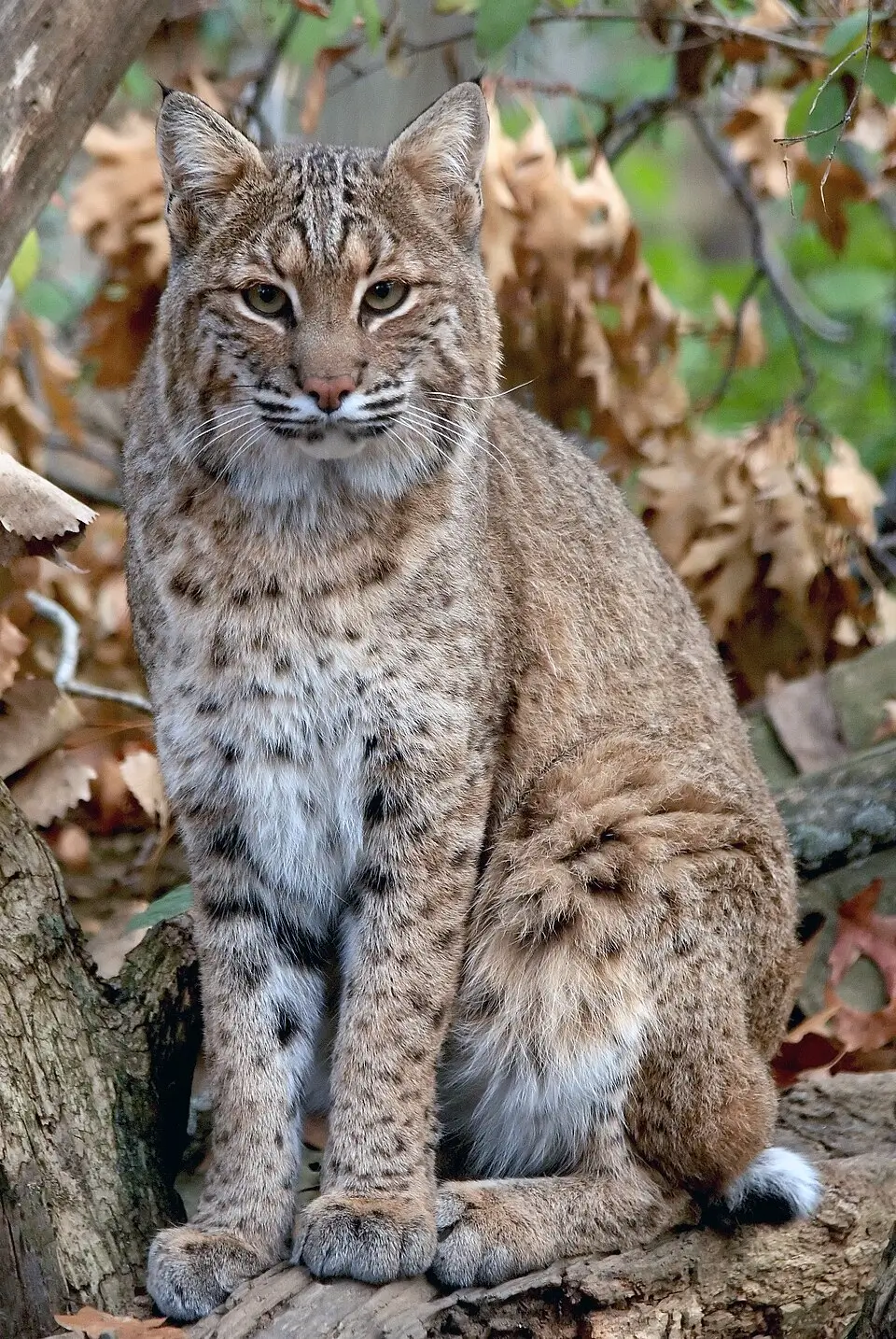
In terms of size, the bobcat is a medium-sized cat, typically larger than a domestic cat but considerably smaller than a mountain lion or jaguar. Adult males generally outweigh females, reflecting a degree of sexual dimorphism common in many carnivorous mammals. The bobcat's coat is one of its most striking features — typically a tawny to grayish-brown base color, adorned with dark spots and streaks that provide exceptional camouflage in dappled forest light and brushy terrain. The underside is usually white or pale with dark spotting, and the face features distinctive tufted ears and prominent facial ruffs that give the animal a fierce, distinctive appearance.
The species' most recognizable feature, and the source of its common name, is its short, "bobbed" tail, typically measuring only a few inches in length. The tail is tipped in black on top and white on the bottom — a feature that distinguishes the bobcat from the Canada lynx, which has a fully black-tipped tail. The hind legs are noticeably longer than the forelimbs, giving the bobcat a characteristic hunched posture and enabling it to pounce with tremendous speed and precision.
Bobcats are solitary, territorial animals. Adult individuals maintain home ranges that they mark with scent glands, scratching posts, and urine deposits. Males typically maintain larger territories that may overlap with the ranges of one or more females, but direct encounters between adults are generally avoided except during the breeding season. Communication between individuals relies heavily on scent marking and vocalizations — the bobcat's repertoire of calls includes hisses, growls, yowls, and screams that can be startlingly loud in the nighttime forest.
As an obligate carnivore, the bobcat is a highly skilled predator. Rabbits and hares form the backbone of its diet across much of its range, but the bobcat is an opportunistic hunter capable of taking a wide variety of prey. Squirrels, mice, voles, birds, and even deer — particularly fawns or weakened adults — may be taken depending on availability and season. The bobcat hunts primarily by stalking and ambush, relying on its cryptic coloration and patient, deliberate movement to close the distance on unsuspecting prey before launching a short, explosive rush.
Mating typically occurs in late winter or early spring, and after a gestation period of roughly 60 to 70 days, the female gives birth to a litter of kittens, typically numbering between one and six. The young are raised exclusively by the mother, who weans them over the course of several months and teaches them hunting skills before they disperse to establish their own territories, usually before the next breeding season.
Habitat & Range
The bobcat is found across an extraordinary range of environments, making it one of the most ecologically flexible predators in the Western Hemisphere. Its range spans from southern Canada southward through most of the contiguous United States and into central Mexico. Within this vast territory, the species occupies forests, swamps, deserts, scrublands, suburban fringes, and mountainous terrain — testament to the animal's remarkable adaptability.
In the northeastern United States, the bobcat is particularly at home in the rugged, forested landscapes that define states like Maine. Maine, the largest state in New England by total area, provides an exceptional mosaic of habitats that suit the bobcat perfectly. The state's vast stretches of mixed hardwood and boreal forest, interspersed with wetlands, rocky ridgelines, and regenerating clear-cuts, offer the combination of dense cover and abundant prey that bobcats require. With over 17 million acres of forest and wild land, Maine's landscape supports a healthy bobcat population.
Bobcats in northern climates like Maine's tend to favor areas with dense understory cover — thickets of young conifers, brushy forest edges, and rocky outcroppings all serve as important habitat features. These structural elements provide both hunting cover and denning sites. Unlike the Canada lynx, which is highly specialized for deep-snow environments and relies heavily on snowshoe hares, the bobcat is somewhat less snow-adapted, which influences its distribution within Maine and other northern states.
Hunting Information
The bobcat occupies a unique place in North American hunting culture. Pursued primarily for its dense, beautifully patterned fur and as a challenging game animal requiring considerable skill and woodsmanship, bobcat hunting has a long tradition in many parts of the United States. Hunters typically use hounds to track and tree bobcats, though still-hunting, calling, and trapping are also practiced widely.
Maine, as one of the premier hunting destinations in the eastern United States, offers opportunities for pursuing bobcats in some of the wildest, most remote forested terrain in the region. The Maine Department of Inland Fisheries and Wildlife (MDIFW) oversees the management of bobcat populations in the state, and hunters interested in pursuing bobcats in Maine should consult the official MDIFW resources for the most current season dates, licensing requirements, bag limits, and any special regulations that may apply. Regulations can change from year to year as wildlife managers assess population data and set harvest objectives accordingly.
For those pursuing bobcats in Maine's forests, success demands patience, persistence, and an intimate familiarity with the landscape. Reading sign — tracks in the snow, scrapes, scent posts, and prey remains — is an essential skill. Bobcats are notoriously difficult to pattern, but in winter, their tracks in fresh snow can reveal travel corridors, hunting areas, and denning locations. Hunters who invest time in scouting and understanding the local prey base tend to find the most consistent success.
Calling is a popular method for attracting bobcats, particularly using distress calls that mimic injured rabbits or small rodents. In Maine's big woods, patience is the key virtue — the bobcat may take considerable time to commit to a call, often circling downwind before approaching. Quality optics and the ability to remain motionless for extended periods are practical advantages in the field.
Conservation
The bobcat's adaptability has served it well from a conservation standpoint. Unlike some of its fellow felines around the world, the bobcat is not currently considered a threatened or endangered species across its range. Healthy populations exist throughout much of North America, and in states like Maine — where vast areas of relatively undisturbed habitat remain intact — the species appears to be faring well.
Responsible wildlife management, including regulated hunting and trapping seasons, plays an important role in maintaining balanced bobcat populations. Wildlife managers at agencies like the Maine Department of Inland Fisheries and Wildlife use population surveys, harvest data, and habitat assessments to set science-based regulations that allow for sustainable use of the resource while ensuring the long-term health of the population.
Habitat preservation remains the cornerstone of bobcat conservation. As long as Maine and similar states maintain their great expanses of working forest and wild land, the bobcat will have a home. Conservation-minded hunters and wildlife enthusiasts contribute meaningfully to these efforts through license fees, excise taxes on sporting equipment (under the Federal Aid in Wildlife Restoration Act), and active advocacy for healthy landscapes.
The bobcat stands as a living emblem of North America's wild heritage — secretive, self-reliant, and supremely adapted to the forests, swamps, and ridgelines it has called home for millennia. In Maine's great north woods, the possibility of a flash of spotted fur through the hardwoods, or the finding of the unmistakable round-pawed tracks pressed into the snow, reminds every hunter and hiker that true wilderness is never far away.