Overview
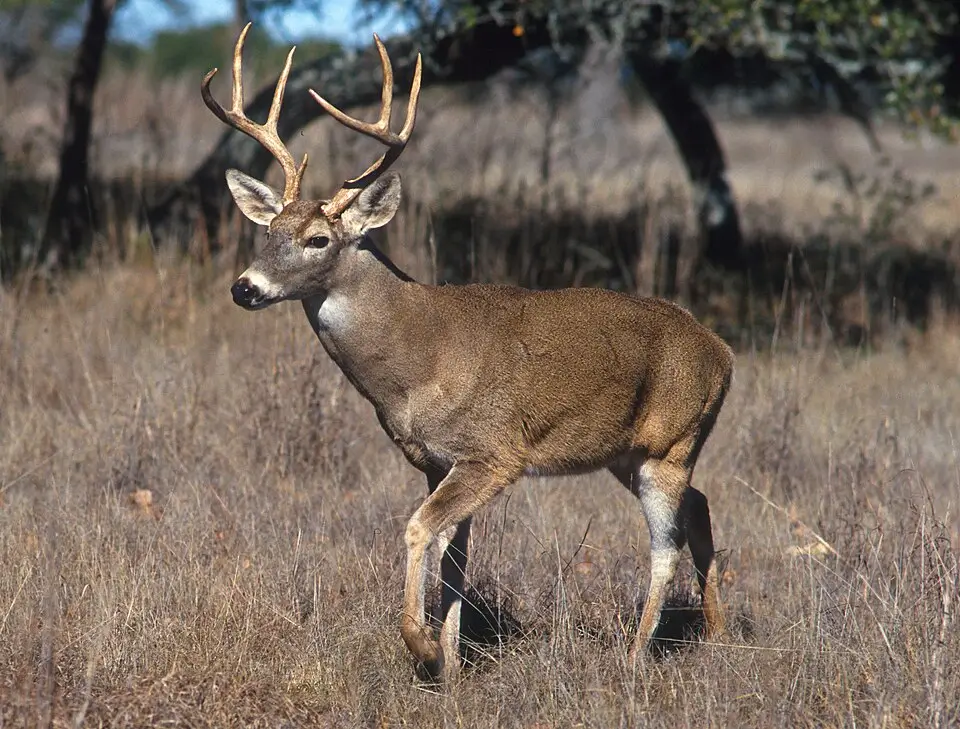
Few animals capture the spirit of North American wildlife quite like the white-tailed deer (Odocoileus virginianus). Graceful, adaptable, and endlessly fascinating, this species has long held a place of reverence among hunters, wildlife enthusiasts, and conservationists alike. Whether glimpsed at dawn along a forest edge, spotted bounding across an open meadow, or encountered during a crisp autumn hunt, the white-tailed deer represents a living symbol of North America's wild heritage.
Across much of the continent — from the dense hardwood forests of the eastern United States to the rugged mountain terrain of the Pacific Northwest — white-tailed deer have proven themselves to be among the most resilient and successful large mammals on the continent. In a state like Idaho, where expansive wilderness meets diverse ecological zones, the white-tailed deer occupies a special niche in the natural landscape and in the hearts of those who pursue it afield. Understanding this remarkable animal — its biology, behavior, habitat preferences, and the traditions surrounding its pursuit — enriches every encounter with it, whether behind a camera lens or a rifle scope.
Biological Traits
The white-tailed deer belongs to the family Cervidae, the same family that includes elk, moose, caribou, and mule deer. Its scientific name, Odocoileus virginianus, reflects both its genus — shared with the closely related mule deer (Odocoileus hemionus) — and its original description from the Virginia region of North America.
One of the most distinctive physical features of the white-tailed deer is, of course, its namesake tail. The underside of the tail is brilliantly white, and when alarmed, deer raise this "flag" high as they flee, communicating danger to nearby animals. This flagging behavior is one of the most recognizable sights in North American wildlife. The coat itself shifts seasonally: a reddish-brown in summer transitions to a thicker, grayer coat in winter, providing both camouflage and insulation.
White-tailed deer are highly sexually dimorphic during the antlered season. Bucks grow and shed antlers annually, a process driven by photoperiod — the changing ratio of daylight to darkness throughout the year. Antler growth begins in spring under the influence of increasing daylight and rising testosterone levels, with the growing antlers encased in a soft, blood-rich tissue called velvet. By late summer and early fall, bucks shed this velvet as their antlers harden into bone, coinciding with the approach of the rut — the annual breeding season.
The rut is one of the most dramatic behavioral events in the white-tailed deer calendar. Bucks become highly active, sparring with rivals, creating scrapes and rubs to mark territory, and actively seeking receptive does. During peak rut, mature bucks often abandon their normally cautious behavior, making them more visible and more susceptible to hunting pressure. This period is eagerly anticipated by hunters across the country.
Does, meanwhile, typically give birth to one to three fawns in late spring or early summer, following a gestation period of approximately 200 days. Newborn fawns are spotted with white markings that serve as camouflage in dappled forest light. Does are attentive mothers, often leaving fawns hidden in vegetation while they feed nearby. The spots fade as fawns mature, and young deer are generally weaned by fall.
White-tailed deer are ruminants, meaning they have a multi-chambered stomach that allows them to digest a wide variety of plant material. Their diet is highly opportunistic and seasonal, including grasses, forbs, leaves, agricultural crops, mast crops such as acorns and other hard mast, and woody browse. This dietary flexibility is one of the key factors contributing to the species' remarkable adaptability across diverse environments.
Deer communicate through a combination of vocalizations, scent glands, and body language. They possess multiple scent glands — including tarsal, metatarsal, and interdigital glands — that play important roles in social communication, especially during the rut. Vocalizations include bleats, grunts, and snort-wheezes, sounds that experienced hunters often mimic to attract deer.
Habitat & Range
The white-tailed deer boasts one of the most extensive ranges of any large North American mammal. The species is found throughout most of the continental United States, southern Canada, Mexico, Central America, and into northern South America. Within the United States, white-tailed deer are absent from only a handful of western states where they have not historically established populations, though their range has expanded considerably in recent decades due to habitat changes and wildlife management efforts.
In the state of Idaho, white-tailed deer are found primarily in the northern and central portions of the state, where the landscape is characterized by dense coniferous forests, river bottoms, and agricultural valleys. The panhandle region of northern Idaho — with its thick forests of western red cedar, western hemlock, grand fir, and ponderosa pine — provides ideal habitat for white-tailed deer. River drainages, such as those associated with the Clearwater, St. Joe, and Coeur d'Alene river systems, offer a mosaic of cover and forage that supports healthy deer populations.
White-tailed deer tend to favor edge habitat: the transitional zones between forests and open areas such as meadows, agricultural fields, and clear-cuts. These edges provide both protective cover and access to abundant food sources. In Idaho, deer often browse in agricultural areas and hayfields during early morning and evening hours, retreating into heavier timber during the heat of the day or when disturbed.
Unlike their mule deer cousins, which tend to favor more open, arid terrain and are known for their characteristic bounding gait (known as "stotting"), white-tailed deer are creatures of denser cover. Their preference for brushy thickets and forested drainages makes them well-suited to the timbered landscapes of northern Idaho.
Elevation also plays a role in white-tailed deer habitat use. While mule deer often summer at higher elevations and migrate to lower winter ranges, white-tailed deer in Idaho generally occupy lower to mid-elevation terrain throughout the year, though they will move to lower valleys during severe winter conditions when deep snow limits access to forage.
Hunting Information
White-tailed deer hunting is a beloved tradition across North America, drawing millions of hunters afield each autumn. In Idaho, hunting white-tailed deer is a cherished pursuit, particularly in the northern panhandle and northern mountain regions where populations are most concentrated. The combination of challenging terrain, beautiful forest scenery, and the thrill of pursuing one of North America's wariest game animals makes Idaho white-tailed deer hunting a memorable experience.
Hunters in Idaho typically pursue white-tailed deer using a variety of methods, including still hunting through timber, stand hunting over travel corridors and food sources, and calling during the rut. The dense forests of northern Idaho reward patient, attentive hunters who are willing to move slowly, read sign carefully, and capitalize on brief windows of opportunity.
Understanding deer behavior is an essential part of successful hunting. Identifying fresh rubs — where bucks have scraped bark from trees with their antlers — and scrapes — bare patches of ground where bucks paw the earth and deposit scent — can reveal travel patterns and areas of deer activity. Scouting before the season, using trail cameras, and studying topographic maps to identify pinch points, saddles, and travel corridors can significantly improve hunting success.
Because specific Idaho season dates, license requirements, and unit-specific regulations are subject to annual updates by Idaho Fish and Game, hunters are strongly encouraged to consult the official Idaho Fish and Game website or the current hunting regulations booklet for the most accurate and up-to-date information before planning a hunt. Regulations can vary significantly by zone or unit, and compliance with all applicable rules ensures both a legal hunt and the long-term sustainability of deer populations.
Whether pursuing white-tailed deer with a firearm, archery equipment, or muzzleloader, hunters contribute directly to wildlife conservation through the excise taxes paid on equipment and licensing fees — funding that supports habitat preservation, population management, and research programs across Idaho and the nation.
Conservation
The conservation story of the white-tailed deer is one of North America's great wildlife success narratives. By the late 19th and early 20th centuries, white-tailed deer populations had been severely depleted across much of their range due to unregulated market hunting and widespread habitat loss. However, through the implementation of science-based wildlife management, regulated hunting seasons, and habitat restoration efforts, white-tailed deer populations rebounded dramatically over the course of the 20th century.
Today, white-tailed deer are among the most abundant large mammals in North America. This recovery stands as a testament to the effectiveness of the North American Model of Wildlife Conservation — a system in which wildlife is managed as a public trust resource, regulated harvest through licensing generates funding for conservation programs, and scientific monitoring guides management decisions.
In Idaho, white-tailed deer populations are actively managed by Idaho Fish and Game, which monitors population trends, adjusts harvest quotas as needed, and works to maintain healthy herds in balance with available habitat. Hunters play a vital role in this management system, providing both the funding and the harvest data that help managers make informed decisions.
Habitat conservation is equally important to the long-term health of white-tailed deer populations. Maintaining diverse forest structure, protecting riparian corridors, and managing agricultural lands with wildlife in mind all contribute to the availability of quality habitat for deer. Collaboration between landowners, conservation organizations, state and federal agencies, and hunters ensures that white-tailed deer — and the rich hunting traditions they inspire — will remain a part of Idaho's natural heritage for generations to come.