Overview
Few creatures embody the raw, untamed spirit of North America's wild places quite like the American mink. Agile, fierce, and perpetually in motion, this semi-aquatic mammal has captured the imagination of naturalists, trappers, and wildlife enthusiasts for centuries. Known scientifically as Neogale vison, the American mink occupies a fascinating ecological niche as a top-tier predator in freshwater ecosystems across the continent. From the mossy creek banks of the Pacific Northwest to the sprawling wetlands of the Great Plains, this resilient little carnivore thrives wherever water flows and prey is abundant.
In Idaho — a state defined by dramatic landscapes, pristine river systems, and rugged wilderness — the American mink finds an especially welcoming home. Idaho's countless streams, rivers, lakes, and marshes provide ideal habitat for this semi-aquatic hunter, making it a species that outdoor enthusiasts, trappers, and wildlife observers in the Gem State have long admired and pursued. Understanding the biology, behavior, and ecological role of Neogale vison enriches our appreciation for the incredible biodiversity that Idaho and the broader American wilderness have to offer.
This article explores everything you need to know about the American mink — its biology, habitat, behavior, hunting traditions, and the conservation principles that help ensure healthy populations for generations to come.
Biological Traits
The American mink is a member of the family Mustelidae, a group that includes otters, weasels, ferrets, wolverines, and badgers. As mustelids go, mink are medium-sized, typically larger than a weasel but noticeably smaller than an otter. Males are generally larger than females — a characteristic known as sexual dimorphism — with adult males often measuring significantly longer and weighing more than their female counterparts. Their elongated, sinuous bodies are built for speed and flexibility, allowing them to pursue prey both on land and in water with remarkable efficiency.
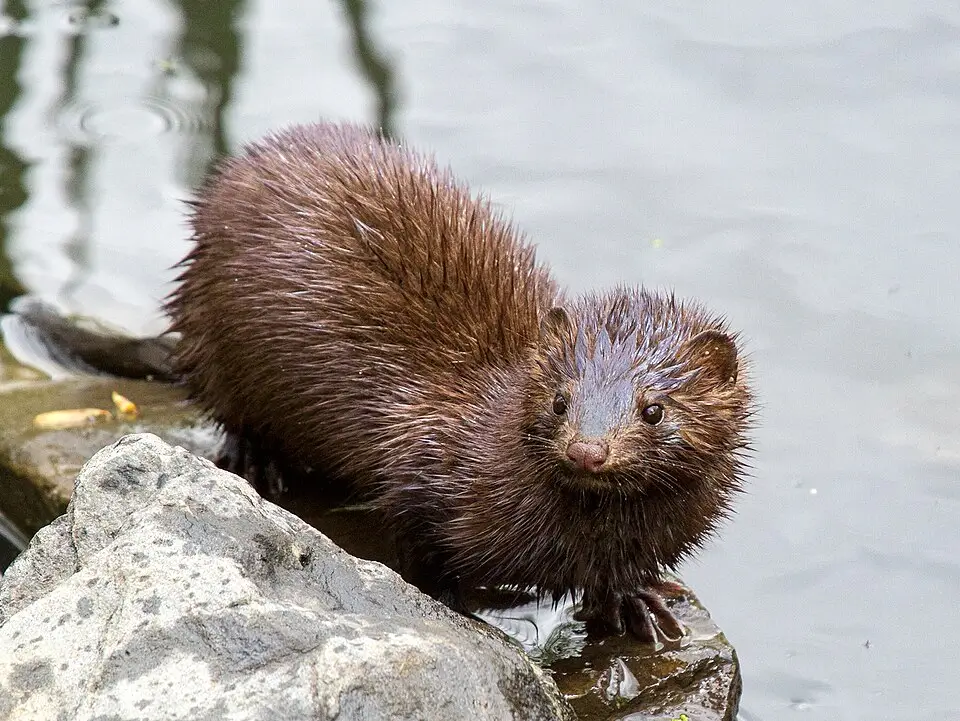
One of the mink's most recognizable features is its dense, lustrous fur. The natural coat ranges from a rich chocolate brown to nearly black, often with small white patches on the chin or chest. This fur is famously water-repellent, consisting of a soft, thick underfur covered by longer, glossy guard hairs. The waterproof quality of the coat is essential for an animal that regularly plunges into cold streams and rivers in pursuit of prey. It is this very quality that made mink fur so prized in the commercial fur trade and elevated Neogale vison to one of the most economically significant furbearers in North American history.
The mink's feet are partially webbed, an adaptation that enhances swimming performance. They are swift and capable swimmers, able to dive and maneuver underwater with impressive skill. On land, they move with a characteristic bounding gait, covering ground quickly when exploring territory or relocating between waterways.
American mink are obligate carnivores with a diverse and opportunistic diet. They prey upon a wide variety of animals depending on seasonal availability, including fish, frogs, crayfish, small mammals such as muskrats and voles, birds, and eggs. Their slender body shape allows them to pursue prey into burrows, hollow logs, and dense vegetation — giving them a hunting advantage that larger predators cannot match. Like many mustelids, mink possess anal scent glands capable of producing a pungent musk, which they use for territorial marking and communication.
Mink are largely solitary and territorial animals. Both males and females maintain home ranges, with male territories typically overlapping those of several females. They are primarily nocturnal or crepuscular, meaning they are most active at dawn, dusk, and during the night. However, they can be spotted during daylight hours, particularly in areas with low human disturbance.
Breeding typically occurs in late winter, and mink exhibit a fascinating reproductive strategy known as delayed implantation. After mating, the fertilized egg does not immediately implant in the uterus; instead, development is delayed for a period before the embryo implants and gestation proceeds. Litters of young — called kits — are born in spring, and mothers raise the kits in dens lined with grass, feathers, and fur. By late summer or early fall, the young mink disperse to establish their own territories.
Habitat & Range
The American mink is a native species across much of North America, with a natural range extending from northern Canada and Alaska southward through most of the contiguous United States, excluding only the driest desert regions of the Southwest. This broad distribution reflects the mink's adaptability and its ability to thrive in a wide range of climates and environments.
As a semi-aquatic species, the American mink shows a strong preference for habitats associated with water. Streams, rivers, lakes, ponds, marshes, and wooded swamps are all typical mink habitats. The presence of riparian vegetation — the shrubs, grasses, and trees that line waterways — is especially important, as it provides cover for hunting, denning, and movement. Mink tend to favor habitats with abundant prey, particularly those with healthy populations of fish, amphibians, and small mammals.
In Idaho, the conditions for mink could hardly be better. The state is laced with an extraordinary network of rivers and streams, including the Snake River, the Clearwater River, the Salmon River, and hundreds of smaller tributaries. Idaho's mountain lakes, high-elevation wetlands, and sprawling valley marshes further diversify the available habitat. The state's largely intact riparian corridors provide the kind of sheltered, prey-rich environments that mink depend upon. Whether in the forested canyons of central Idaho or the agricultural lowlands of the Snake River Plain, American mink can find suitable conditions to establish territories and raise young.
The mink's semi-aquatic lifestyle means that water quality and ecosystem health are closely tied to population health. Clean, well-oxygenated streams that support robust fish and amphibian communities are especially productive mink habitat. Idaho's reputation for outstanding water quality and productive fisheries makes it a stronghold for this species within the greater American West.
Hunting Information
The American mink has a long and storied history as a furbearer in North America. Indigenous peoples utilized mink for both food and fur long before European contact, and the species became a cornerstone of the North American fur trade that shaped the economic and cultural development of the continent. Today, mink remain a legally pursued furbearer in many states, including Idaho, where trapping and hunting traditions remain a respected and regulated part of outdoor culture.
Trapping is the primary method used to harvest mink in the wild. Traditional trap types used for mink include body-gripping traps (such as the popular Conibear-style traps) and foothold traps set along waterways, near den entrances, or along travel corridors. Skilled trappers learn to read the landscape and identify mink sign — tracks in soft mud, slide marks along banks, scat, and prey remains — to place traps effectively. Water sets placed at the entrances to runs beneath undercut banks or in narrow channels are classic and productive approaches.
For those pursuing mink in Idaho, it is essential to consult the Idaho Department of Fish and Game (IDFG) for current, up-to-date regulations regarding trapping seasons, licensing requirements, and legal methods of take. Regulations can change from year to year, and complying with all applicable rules is both a legal obligation and a reflection of the ethical standards that responsible hunters and trappers uphold. The IDFG website and printed regulation booklets are the definitive sources for accurate season dates, bag limits, and license information.
Mink trapping can be a deeply rewarding pursuit for those willing to invest time learning waterway ecosystems. Success requires patience, woodsmanship, and a keen understanding of animal behavior. Many experienced trappers view mink as one of the most challenging and satisfying furbearers to pursue precisely because of the skill and knowledge required.
Conservation
The American mink is currently listed as a species of least concern by the International Union for Conservation of Nature (IUCN), reflecting the species' wide distribution and generally stable populations across most of its native range. In North America, regulated trapping and responsible wildlife management have helped maintain healthy mink populations while supporting the traditions and livelihoods of trappers and rural communities.
Habitat conservation is perhaps the most important factor in ensuring the long-term health of mink populations. As a species closely tied to aquatic and riparian environments, mink benefit enormously from efforts to protect and restore waterways, wetlands, and streamside vegetation. Agricultural and urban development can degrade riparian corridors, reduce water quality, and diminish the prey base that mink depend upon. Supporting land conservation initiatives, responsible land use practices, and clean water policies all contribute indirectly to mink conservation.
In Idaho, the abundance of protected public lands — including national forests, wilderness areas, and Bureau of Land Management holdings — helps safeguard large areas of high-quality mink habitat. The state's strong outdoor heritage and commitment to wildlife management provide a solid foundation for sustaining mink populations well into the future.
Interestingly, while the American mink is thriving in its native range, introduced populations in Europe and South America — where mink were released or escaped from fur farms — have become significant conservation concerns, as invasive mink can severely impact native wildlife. This contrast highlights the importance of native-range management and the broader principles of ecological balance.
Conclusion
The American mink is far more than a prized furbearer — it is a vital thread in the ecological fabric of North America's freshwater landscapes. Sleek, resourceful, and perfectly adapted to life on the water's edge, Neogale vison represents the best of what wild North America has to offer. In Idaho, where clean rivers run through spectacular wilderness and wildlife thrives in abundance, the mink finds a home worthy of its remarkable nature. Whether you encounter one darting along a streambank on a misty morning or pursue one through the traditions of the trapping heritage, the American mink is a species that rewards attention, respect, and stewardship.