Overview
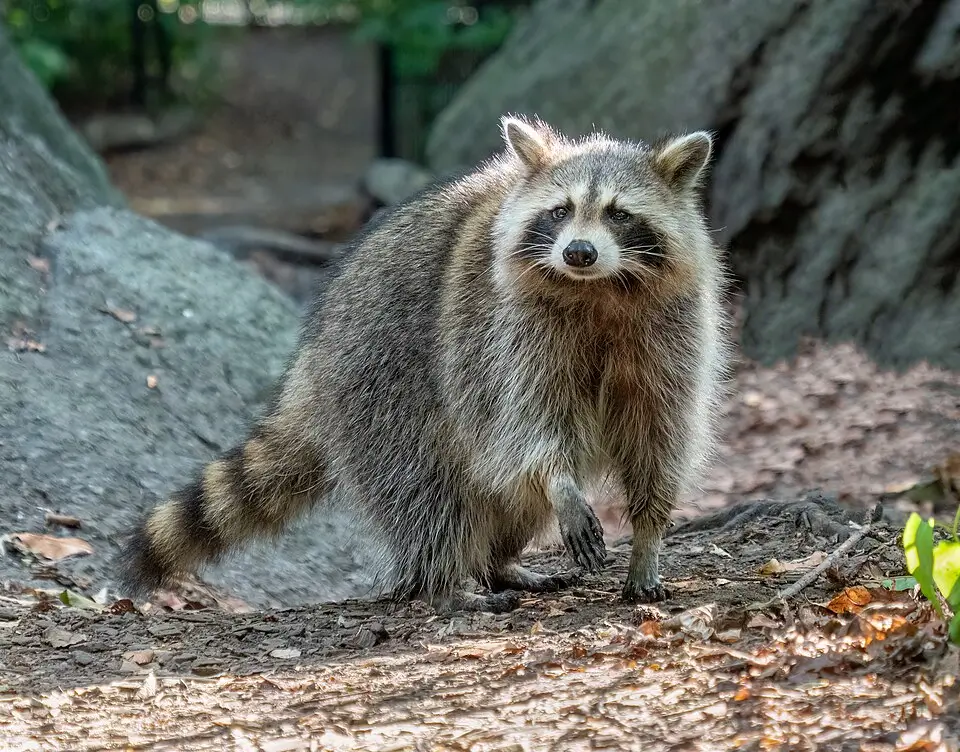
Few animals in North America capture the imagination quite like the raccoon. With its distinctive masked face, ringed tail, and remarkably dexterous forepaws, the raccoon (Procyon lotor) is one of the most recognizable mammals on the continent. Whether spotted rummaging through a campsite in the Idaho wilderness, peering down from an urban tree in the heart of Boise, or washing food at the edge of a mountain stream, raccoons have earned a reputation as clever, resourceful, and endlessly adaptable creatures.
In Idaho, raccoons inhabit a variety of ecosystems — from the lush riparian corridors along the Snake River to the forested foothills of the Rocky Mountains. They are a species that rewards patient observation and presents unique opportunities for outdoor enthusiasts, hunters, and wildlife watchers alike. Understanding the raccoon's biology, behavior, and ecological role helps us appreciate just how remarkable this animal truly is.
This article offers a comprehensive look at the raccoon — its biological traits, habitat preferences, range, hunting traditions, and conservation status — with a particular focus on what residents and visitors to Idaho can expect when they encounter this remarkable masked bandit in the wild.
Biological Traits
The raccoon belongs to the family Procyonidae and carries the scientific name Procyon lotor, which translates roughly from Latin and New Latin as "washing bear" or "before the dog that washes." This name is a nod to one of the animal's most curious and well-documented behaviors: the apparent "washing" of food in water before eating, a behavior more formally described as dousing. While scientists have debated the true purpose of this behavior — whether it is related to sensory enhancement of the forepaws, foraging instinct, or simply a learned habit — it remains one of the raccoon's most charming and distinctive characteristics.
Raccoons are medium-sized mammals, typically weighing between 8 and 20 pounds, though exceptionally large individuals can exceed this range, particularly in northern climates where they build up fat reserves for winter. Their body length generally ranges from 16 to 28 inches, with a bushy, ringed tail adding another 8 to 12 inches. Males are generally larger than females.
The raccoon's most iconic physical feature is undoubtedly its facial mask — a patch of dark fur surrounding the eyes that contrasts sharply with the lighter fur on the rest of the face. This mask is not merely cosmetic; some researchers believe it may help reduce glare and improve the animal's vision in low-light conditions, much like the black grease athletes apply under their eyes. The alternating light and dark rings on the tail are equally distinctive and make identification in the field straightforward.
Perhaps the raccoon's most extraordinary anatomical feature is its front paws. With five highly nimble fingers and an abundance of sensory nerve endings, raccoon paws are extraordinarily sensitive to touch. This tactile sensitivity — called hypersensitivity in some scientific literature — allows raccoons to identify objects by feel alone, making them extraordinarily effective foragers. They can open latches, unscrew jars, and manipulate objects with a dexterity that surprises many first-time observers.
Raccoons are omnivores with a broad and opportunistic diet. They consume fruits, nuts, berries, insects, frogs, fish, crayfish, bird eggs, small mammals, and human food waste. Their dietary flexibility is one of the key reasons they have thrived in both rural and urban environments. In Idaho, their diet likely shifts seasonally — focusing on aquatic prey and invertebrates in spring and summer, transitioning to fruits, nuts, and other high-calorie foods in autumn as they prepare for the leaner winter months.
Unlike true hibernators, raccoons do not hibernate in the strict sense. Instead, they enter a state of torpor during the coldest parts of winter, remaining in dens for extended periods but waking periodically to forage when conditions allow. This behavior is especially relevant in Idaho, where winters can be harsh, particularly in the mountainous central and northern regions of the state.
Raccoons are primarily nocturnal, though they can occasionally be active during daylight hours, especially during breeding season or when food is plentiful. They are generally solitary animals outside of the breeding season, though females will raise litters together in communal dens in some instances. The breeding season typically occurs in late winter, with litters of two to five young — called kits — born in spring after a gestation period of approximately 63 days. Kits are born with their eyes closed and remain dependent on their mother for several months, often staying with her through their first winter.
The average lifespan of a raccoon in the wild is two to three years, though individuals in areas with lower predation pressure and ample food can live five years or more. Natural predators include coyotes, bobcats, great horned owls, and in Idaho's wilder areas, mountain lions and wolves.
Habitat & Range
The raccoon is one of the most widely distributed mammals in North America. Its range spans from southern Canada through the contiguous United States and into Central America. Over the past century, raccoons have also been introduced — intentionally and accidentally — to parts of Europe and Asia, where they have established feral populations in countries such as Germany, France, and Japan.
Within the United States, raccoons occupy an impressive variety of habitats, from coastal marshes and bottomland hardwood forests in the East to prairies, deserts, and mountain forests in the West. They show a strong preference for areas near water — rivers, streams, lakes, ponds, and wetlands — which provide both food resources and the moist conditions their tactile foraging style demands.
In Idaho, raccoons are found throughout much of the state, though their distribution is closely tied to water availability. The Snake River Plain, with its network of rivers, irrigation canals, and reservoirs, supports healthy raccoon populations. Riparian corridors along rivers such as the Boise River, Clearwater River, and Salmon River provide ideal habitat, offering dense cover, ample food, and reliable water sources. Raccoons are also present in Idaho's agricultural valleys, where they find food in farm fields and orchards, and in suburban and urban areas, where human food waste and ornamental plantings provide year-round sustenance.
Higher elevation areas of Idaho, particularly the rugged central mountain regions and the Panhandle, support lower raccoon densities due to harsher winters and less suitable lowland habitat. However, raccoons are resourceful and adaptable enough to be encountered even in surprising locations across the state.
Hunting Information
Raccoon hunting is a storied and time-honored tradition across much of North America. For generations, hunters have pursued raccoons at night with hounds — a pursuit that combines the skills of dog handling, woodsmanship, and patience in equal measure. Raccoon hunting with trailing hounds, particularly breeds such as the Black and Tan Coonhound, Bluetick Coonhound, Treeing Walker Coonhound, and Redbone Coonhound, represents one of the oldest hunting traditions on the continent, with deep cultural roots in rural America.
In Idaho, raccoons are present across many of the state's lower-elevation areas and river corridors, making them accessible to hunters throughout a significant portion of the state. Raccoon hunting in Idaho can be an excellent pursuit for those looking to experience a unique nighttime hunting tradition, develop their dog-handling skills, or simply spend time in Idaho's beautiful outdoor spaces after dark.
Raccoon fur has historically been valued by trappers and hunters alike, and the meat, while not as widely consumed as deer or elk, is considered a flavorful and traditional game food in many parts of the country.
Because specific season dates, license requirements, and regulations for raccoon hunting in Idaho were not available in the source data consulted for this article, hunters are strongly encouraged to consult the Idaho Department of Fish and Game (IDFG) directly for the most current and accurate information regarding seasons, bag limits, licensing requirements, and any applicable restrictions. Regulations can change from year to year, and compliance with all state and local laws is essential for ethical and legal hunting.
Whether pursuing raccoons with hounds on a frosty autumn night along the Snake River bottoms or setting up a blind near a productive foraging area, Idaho hunters will find that raccoon hunting offers a rewarding and distinctive outdoor experience unlike any other.
Conservation
The raccoon is currently listed as a species of Least Concern by the International Union for Conservation of Nature (IUCN), reflecting its wide distribution, large population size, and remarkable adaptability. In many parts of North America, raccoon populations are robust and, in some urban areas, arguably overabundant.
Raccoons play an important ecological role as omnivores and opportunistic foragers. They contribute to seed dispersal, help control insect and invertebrate populations, and serve as prey for a variety of larger predators. Their presence in an ecosystem is generally a sign of ecological health, particularly in riparian areas.
That said, raccoons are not without their challenges. They are susceptible to a number of diseases, including rabies and canine distemper, which can affect local populations significantly. Raccoon roundworm (Baylisascaris procyonis) is a parasite of public health concern, as it can be transmitted to humans and other animals under certain conditions. Responsible wildlife management, including regulated hunting and trapping, helps maintain healthy raccoon populations and reduces the risk of disease transmission.
In Idaho, the rugged landscape and mix of wild and agricultural land provide a diverse mosaic of habitat that supports raccoon populations in a natural and balanced way. Thoughtful management by the Idaho Department of Fish and Game, combined with ethical hunting and trapping practices, helps ensure that raccoons remain a healthy and productive part of Idaho's wildlife community for generations to come.