Overview
Few sounds in the American countryside are as instantly recognizable and deeply cherished as the clear, whistled call of the Northern bobwhite. Ringing out across fields, forest edges, and brushy thickets, the bird's own name — "bob-WHITE!" — echoes through warm mornings and golden afternoons alike, announcing its presence with unmistakable confidence. The Northern bobwhite (Colinus virginianus) is one of North America's most iconic game birds, beloved by hunters, birdwatchers, and wildlife enthusiasts across a wide swath of the continent.
This small but spirited bird has been a cornerstone of American quail hunting tradition for generations. It has inspired countless stories, paintings, and memories shared between friends and family afield. Yet the Northern bobwhite is far more than a trophy or a symbol of nostalgia — it is a fascinating creature with a complex biology, a dynamic social structure, and an ecological role that makes it an important indicator of the health of the landscapes it calls home. Understanding this bird in depth — its life history, its habitat requirements, its relationship with hunters and conservationists — is a rewarding pursuit for anyone who cares about North American wildlife.
Biological Traits
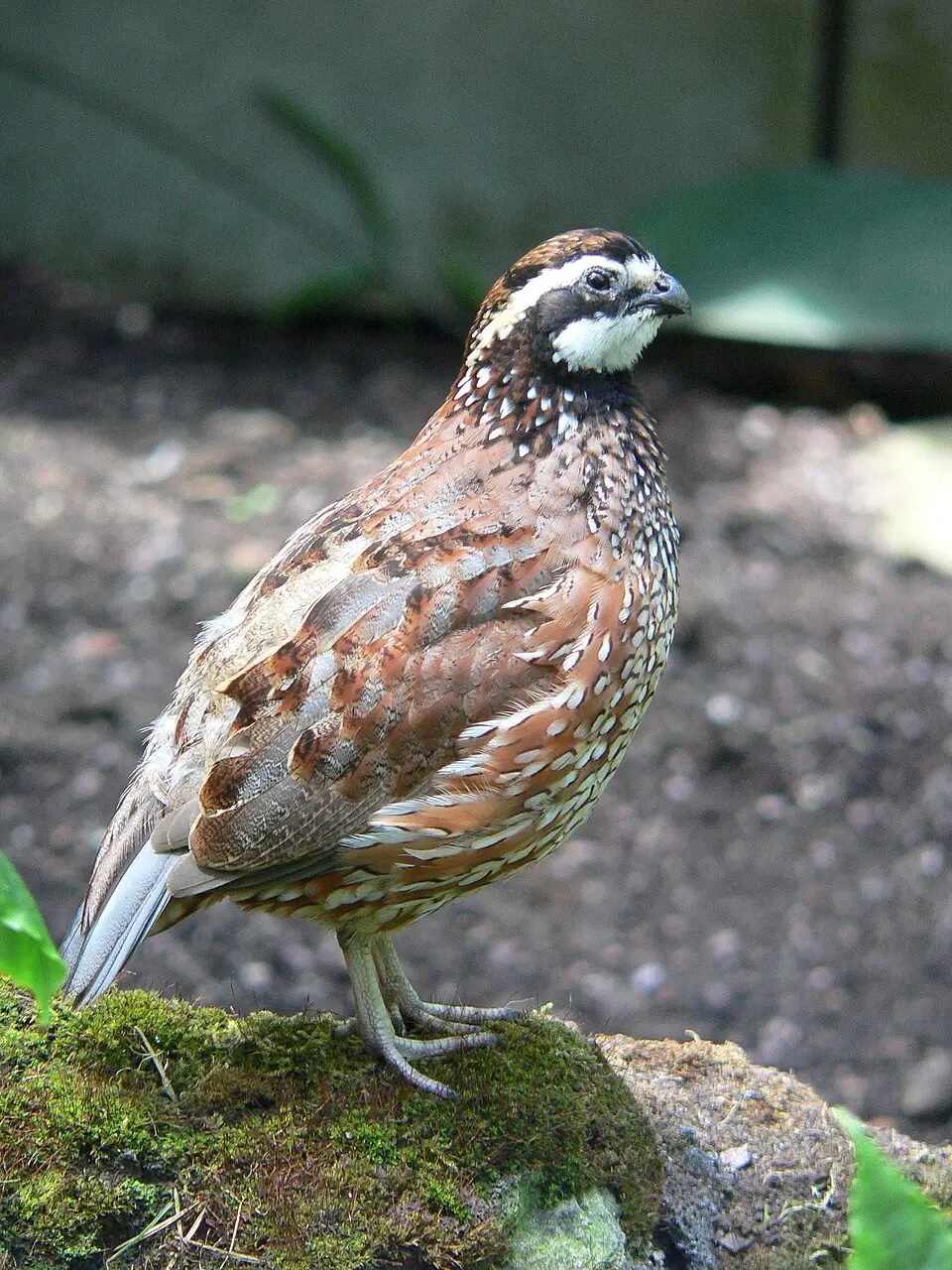
The Northern bobwhite belongs to the family Odontophoridae, the New World quails, and is the sole member of the genus Colinus that ranges broadly across the eastern and central United States. It is a compact, rotund bird, fitting comfortably in the palm of a hand. Males are distinguished by a bold white supercilium (eyebrow stripe) and throat patch, contrasted sharply against a dark brown and rufous-streaked body. Females display a similar patterning but swap the bright white facial markings for a more subdued buff or yellowish coloration, providing effective camouflage while incubating nests.
One of the most endearing aspects of Northern bobwhite social behavior is its tendency to form coveys — tight-knit groups that typically consist of anywhere from a handful to a couple dozen birds. These coveys serve multiple survival functions: members huddle together in a characteristic circle at night, tails pointing inward and heads outward, conserving warmth and maintaining vigilance against predators. When threatened, the covey may burst into explosive, thundering flight, startling predators (and hunters!) with a sudden roar of wingbeats before each bird dives for cover.
The Northern bobwhite is primarily a ground-dwelling bird. It forages along the forest floor and through low vegetation, pecking at seeds, insects, berries, and plant matter. Seeds form the backbone of the adult diet, while insects — rich in protein — are particularly important for growing chicks during the summer months. This dietary flexibility allows the bobwhite to thrive in a variety of edge habitats where open ground and dense cover intersect.
Breeding biology adds another layer of intrigue to this species. Unlike many birds where the female bears sole responsibility for incubation and chick-rearing, Northern bobwhites are notable for the active role males play in parental care. Males frequently take on incubation duties and lead broods of young chicks, a level of paternal investment that is relatively rare among North American game birds. Nests are constructed on the ground, typically concealed within dense grasses or low shrubs, and clutch sizes can be impressively large — often a dozen eggs or more. This high reproductive potential is one of the reasons the species can sustain hunting pressure when habitat conditions are favorable.
The Northern bobwhite's lifespan in the wild is relatively short. Predation, harsh weather, and the challenges of the breeding season mean that annual survival rates can be low. However, the species compensates with its prolific breeding, potentially producing multiple broods in a single season under the right conditions. This "live fast, reproduce often" life history strategy is well-suited to a bird that occupies open habitats with high predator pressure.
Habitat & Range
The Northern bobwhite's natural range spans a broad area of the eastern and central United States, extending from the Atlantic seaboard westward through the Great Plains, and south into Mexico and parts of Central America. The species is most abundant and most commonly associated with the southeastern United States, where a mosaic of pine savannas, agricultural fields, pastures, and brushy woodland edges provides the ideal blend of cover and food resources.
At its core, the Northern bobwhite is a bird of edges and transitions — places where open ground meets brushy cover, where cultivated fields give way to hedgerows and fencerows, and where forests thin into grassy openings. Early successional habitats, such as recently disturbed fields, forest clearcuts, and idle farmland, are particularly valuable. Dense grassy and shrubby areas provide nesting cover and protection from predators, while nearby open ground allows the birds to forage and move freely.
It is worth noting that the Northern bobwhite's range does not naturally extend into the Pacific Northwest or the Intermountain West. States like Idaho, situated in the rugged terrain of the Mountain West and Pacific Northwest, are outside the native distribution of this species. Idaho's landscapes — dominated by high desert shrub-steppe, coniferous mountain forests, river canyons, and agricultural valleys — are home to other native quail species and upland birds more suited to that environment, such as the California quail and various species of grouse. While the Northern bobwhite is a fascinating subject of study, hunters and wildlife enthusiasts in Idaho should be aware that this species is not part of the state's native or huntable fauna under normal circumstances.
Hunting Information
The Northern bobwhite holds a place of extraordinary importance in American hunting tradition. Bobwhite quail hunting — often simply called "quail hunting" across much of the South and Midwest — is a cherished pursuit that has shaped rural culture and wildlife management practices for well over a century. The classic image of a hunter walking behind a pointing dog through broom-sedge fields on a crisp autumn morning is one of the most iconic scenes in American outdoor heritage.
Bobwhite hunting typically relies heavily on well-trained bird dogs, particularly pointing breeds such as the English pointer and various setter breeds, as well as flushing spaniels. The dog's role is to locate and either point or flush coveys, giving hunters the opportunity to make shots on the fast-flying birds as they burst from cover. The sporting challenge of bobwhite hunting is considerable — the explosive flush of a covey can be startling, and the birds' quick, darting flight through brush and trees demands fast reflexes and practiced shooting.
Where bobwhite hunting seasons are open, they are regulated by individual state wildlife agencies, with season dates, bag limits, and licensing requirements varying by location. Hunters pursuing bobwhites must comply with all applicable state and federal regulations, including holding the appropriate hunting licenses and following all legal requirements. In states within the core range of the Northern bobwhite — across the South and Midwest — these regulations are designed to ensure sustainable harvest while supporting healthy quail populations.
For hunters in Idaho specifically, the Northern bobwhite is not a native species to the state, and there is no established open season for this bird in Idaho's hunting regulations. Idaho offers outstanding upland bird hunting opportunities for native species including the California quail, mountain quail, and various grouse species, among others. Hunters in the Gem State are encouraged to explore these fantastic local opportunities while appreciating the Northern bobwhite as a species of broader national significance.
Conservation
The Northern bobwhite has experienced significant population declines over much of its range during the latter half of the twentieth century and into the twenty-first. These declines are broadly attributed to large-scale changes in land use — the loss of hedgerows and fencerows as agriculture intensified, the conversion of idle and early successional land to row crops or developed uses, and changes in forest management that reduced the open, grassy understories that bobwhites depend upon.
Conservation efforts for the Northern bobwhite are wide-ranging and involve a partnership between government agencies, private landowners, conservation organizations, and hunters. Habitat restoration programs that encourage the maintenance of brushy field borders, native warm-season grasses, and early successional cover are among the most impactful tools available. Prescribed fire, long used by Indigenous peoples and later by land managers, is recognized as a valuable tool for maintaining the open, grassy habitats that bobwhites favor in the Southeast.
The hunting community has played a meaningful role in bobwhite conservation, both through license and stamp revenues that fund state wildlife agencies and through the advocacy work of organizations dedicated to quail habitat. The connection between healthy bobwhite populations and thoughtful land stewardship makes this bird an important flagship species for the broader conservation of working landscapes across America.
Research into bobwhite ecology continues to deepen our understanding of what these birds need to thrive, informing ever-more-effective habitat management strategies. The future of the Northern bobwhite depends on collaborative, landscape-scale conservation — an effort well worth pursuing for the sake of this remarkable bird and the rich hunting traditions it represents.