Overview
Few animals command the awe and admiration that a moose inspires. Standing as the undisputed giant of the deer family, the moose (Alces alces) is a creature of breathtaking proportions and remarkable adaptability. Whether glimpsed wading through a mountain lake at dawn, striding through a boreal forest, or browsing along the edge of a willow-choked stream, a moose encounter is one of the most memorable experiences the North American wilderness has to offer. For hunters, wildlife enthusiasts, and naturalists alike, the moose represents a pinnacle of the wild — a living symbol of untamed landscapes and old-growth forests stretching as far as the eye can see.
In a state like Idaho, with its sweeping mountain ranges, vast wilderness areas, and richly varied ecosystems, the moose finds a fitting home. Idaho's rugged geography — from the heavily forested panhandle in the north to the dramatic peaks of the Sawtooth and Bitterroot ranges — provides the kind of diverse, resource-rich terrain that moose depend upon throughout the seasons. Understanding this magnificent animal, its biology, its habits, and its place within the broader ecosystem, deepens our appreciation not only for the moose itself but for the wild landscapes it inhabits.
Biological Traits
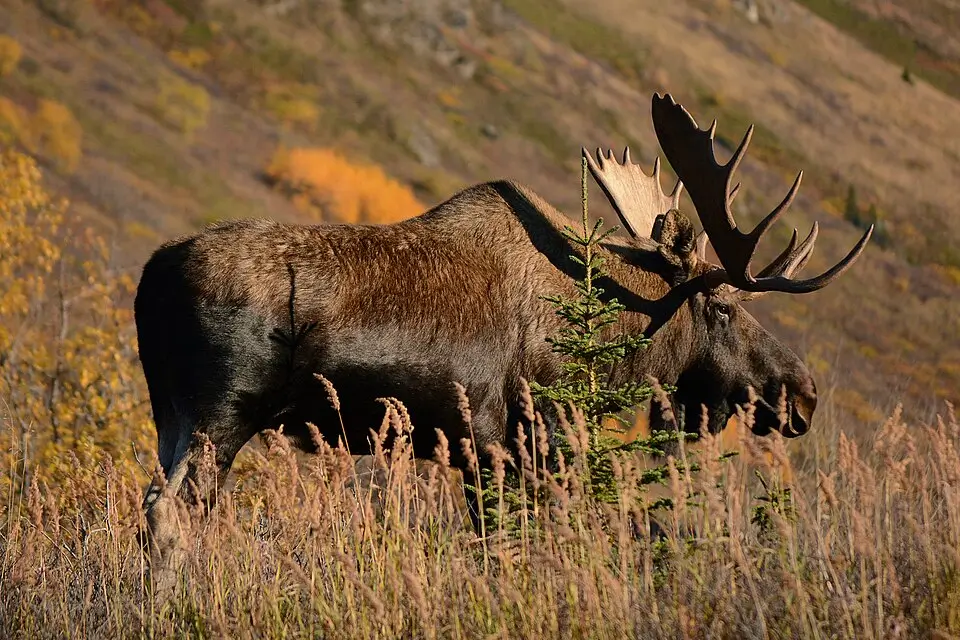
The moose belongs to the family Cervidae — the deer family — and holds the distinction of being the largest member of that family anywhere in the world. Classified under the scientific name Alces alces, the moose is a creature of extremes. Adult bulls are famously imposing animals, recognized worldwide by their enormous, broadly palmate antlers that can span several feet from tip to tip. These antlers are shed and regrown annually, with each successive set typically growing larger as the bull matures. The antlers serve a crucial role during the rut, the annual breeding season that typically takes place in the autumn months, when bulls use them both to compete with rival males and to display fitness to potential mates.
Both bulls and cows share the moose's characteristic long, bulbous nose, which is a highly specialized adaptation. The moose's distinctive snout houses a complex system of nasal passages that serve to warm frigid arctic and subarctic air before it reaches the lungs — an invaluable trait in the cold climates where moose thrive. Their long, spindly-looking legs, which may seem almost comically oversized, are in fact perfectly engineered for navigating deep snow, dense brush, and boggy terrain. These legs also allow moose to wade confidently into lakes and rivers, where they are skilled swimmers capable of crossing large bodies of water with ease.
The moose's coat is a coarse, hollow-haired marvel of natural insulation. The individual hairs are hollow, trapping air to provide exceptional warmth during brutal winter conditions. This coat ranges in color from dark brown to nearly black on the body, with lighter coloring on the legs. Beneath the throat, most moose sport a pendulous dewlap known colloquially as a "bell," which varies in size and shape between individuals and is more prominent in bulls.
Moose are herbivores with a broad and highly seasonal diet. In warmer months, they are prolific aquatic feeders, wading into ponds and lakes to consume water lilies, pondweed, and other aquatic vegetation that provides both nutrition and crucial mineral content, including sodium. On land, they browse heavily on willows, aspens, birches, and various shrubs. In winter, when lush vegetation is buried under snow, moose shift to woody browse, stripping bark and consuming the twigs and branches of trees and shrubs. Their tall stature allows them to access forage that smaller ungulates simply cannot reach, reducing direct competition for food.
Cows typically give birth in late spring or early summer, most often to a single calf, though twins do occur. Calves are precocial — born with the ability to stand and walk shortly after birth — and grow at a remarkable rate under their mother's care. The cow-calf bond is strong, and mother moose are famously protective, a fact well worth keeping in mind for anyone who encounters a cow with young in the field.
Habitat & Range
The moose has one of the most expansive ranges of any large land mammal in the Northern Hemisphere. Across North America, Alces alces is found throughout Canada, Alaska, and extends south through the Rocky Mountain states and portions of the Great Lakes region and New England. The species also ranges broadly across northern Europe and Asia, where it is known as the "elk" in many languages — a naming convention that differs from North American usage, where "elk" refers to the wapiti (Cervus canadensis).
Moose are quintessential creatures of the boreal and subalpine zones. They favor habitats characterized by a mix of coniferous and deciduous forests, riparian corridors lined with willows and alders, mountain meadows, and wetland areas including marshes, bogs, and lake margins. This combination of features provides the food, cover, and water that moose need in every season.
In Idaho, the moose finds highly suitable habitat across much of the northern and central portions of the state. The forested panhandle region, with its dense stands of conifers, abundant lakes, and river systems, is classic moose country. Further south, the rugged terrain of the Clearwater, Salmon River, and Snake River drainages, as well as the high country surrounding the Sawtooth Range and the Frank Church–River of No Return Wilderness — one of the largest contiguous wilderness areas in the contiguous United States — provides expansive, largely undisturbed habitat that supports moose populations. Idaho's diverse elevation gradients allow moose to follow seasonal forage availability, moving to higher elevations in summer and descending to lower valleys and riparian corridors during winter months when snow depths increase.
Hunting Information
Moose hunting represents one of the most coveted and challenging pursuits in the world of big game hunting. The combination of the animal's sheer size, remote habitat, physical demands of the hunt, and the rarity of available tags makes a moose hunt a true bucket-list experience for many hunters across North America.
In Idaho, moose hunting is managed carefully by the Idaho Department of Fish and Game to ensure sustainable population levels. Because moose populations are less dense than many other big game species, moose tags are limited in number and are typically issued through a controlled draw system. This means that successful applicants may wait years before drawing a moose tag, making the permit itself a prized accomplishment.
Hunters pursuing moose in Idaho should consult the Idaho Department of Fish and Game directly for the most current and accurate information on season dates, unit-specific regulations, licensing requirements, and tag application deadlines, as these details are subject to change from year to year and vary significantly by management unit. Since no specific season dates or licensing information were available in our source data at the time of writing, it is essential that interested hunters obtain official, current information directly from Idaho Fish and Game prior to planning any hunt.
Moose hunting typically demands a high level of physical fitness, as prime moose habitat in Idaho is often remote and rugged. Hunters should be prepared for backcountry conditions, significant packing distances, and the logistical challenge of processing and transporting a large animal from the field. Calling techniques — mimicking the vocalizations of bulls and cows during the rut — can be an effective strategy, and hunting near productive willow flats, wetlands, and riparian corridors often yields the best opportunities for locating animals.
Conservation
The moose has demonstrated considerable resilience as a species, maintaining healthy populations across much of its range through sustainable wildlife management practices and habitat conservation efforts. In Idaho, as in other western states, wildlife managers monitor moose populations through aerial surveys, harvest data analysis, and ongoing research to ensure that hunting pressure remains well within sustainable limits.
Habitat conservation is critical to the long-term health of moose populations. Protecting riparian corridors, wetlands, and mature forest stands — all key moose habitat components — benefits not only moose but the entire suite of species that share these ecosystems. Idaho's commitment to maintaining vast wilderness areas and working forests provides a strong foundation for moose conservation into the future.
Climate considerations also play a role in moose ecology, as these animals are well-adapted to cold climates and can face physiological stress in areas experiencing significant warming trends. Continued attention to habitat quality, population monitoring, and adaptive management will be essential tools in ensuring that Idaho's moose populations remain robust and that hunters, wildlife watchers, and future generations continue to enjoy one of the most spectacular animals the American wilderness has to offer.