Overview
Few animals capture the spirit of the American wilderness quite like the elk. Standing tall among the conifers of mountain forests or bugling across frost-covered meadows at dawn, the elk — scientifically known as Cervus canadensis — is one of the most iconic and celebrated big-game animals on the continent. Revered by hunters, wildlife photographers, and nature enthusiasts alike, this magnificent cervid occupies a special place in the culture and ecology of North America. From the rugged ranges of Idaho to the sweeping grasslands of the Great Plains, elk embody the wildness and vitality of the landscapes they call home.
Whether you are a seasoned hunter pursuing a trophy bull, a wildlife watcher hoping to hear the haunting bugle of a rutting male, or simply a curious naturalist seeking to learn more about one of North America's largest land mammals, this comprehensive guide offers an in-depth look at the biology, habitat, hunting traditions, and conservation story of the elk.
Biological Traits
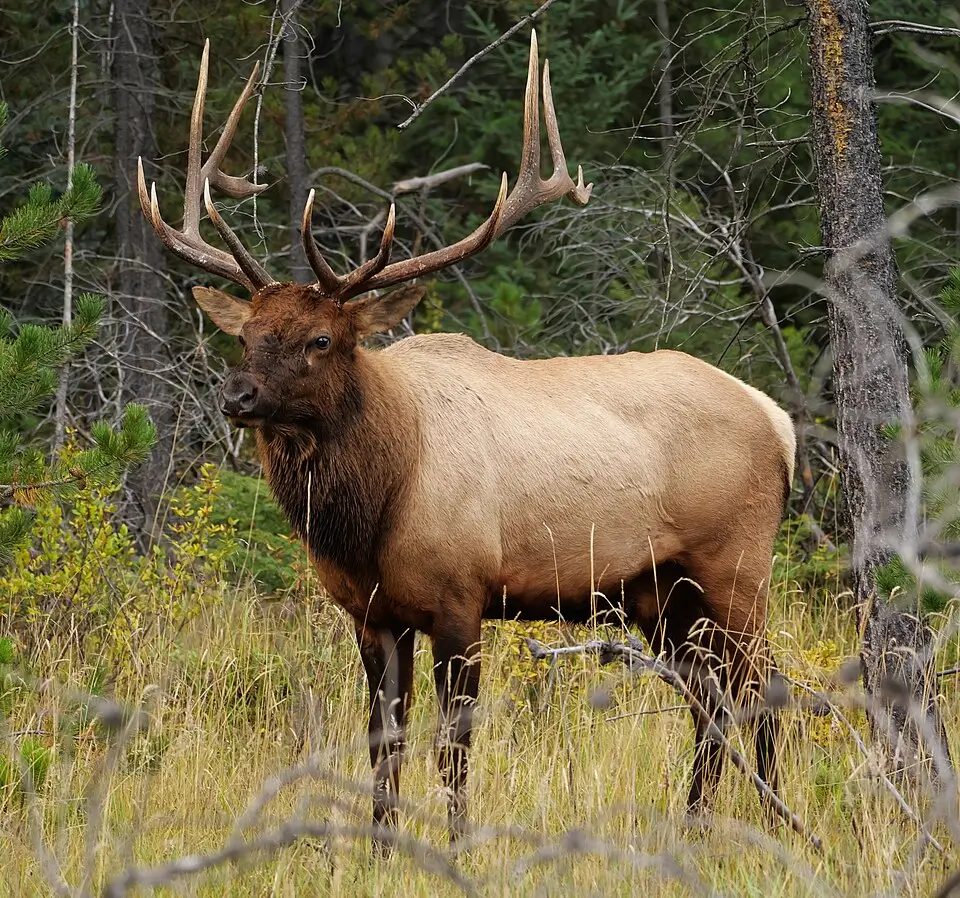
The elk, Cervus canadensis, is a member of the family Cervidae — the deer family — and is one of the largest species within that family worldwide. In North America, only the moose (Alces alces) surpasses the elk in size among deer. Adult bull elk are impressive animals, typically standing around four to five feet at the shoulder and stretching well over seven feet in body length. Mature bulls can weigh anywhere from around 700 to more than 1,100 pounds, with cows being noticeably smaller and more slender.
One of the elk's most iconic features is the bull's antlers. Unlike permanent horns found on animals such as bison or mountain goats, elk antlers are shed and regrown each year. A mature bull's antlers can span five feet or more from tip to tip and consist of a main beam with multiple tines branching upward. Trophy-class bulls often carry six or more tines per side — a configuration commonly referred to as a "six by six" or "royal" bull. Antler growth is fueled by one of the fastest tissue-growth processes known in the animal kingdom, with bulls capable of growing several inches of new antler material per day during peak growth in spring and early summer. During growth, antlers are covered in a soft, blood-vessel-rich tissue called velvet, which is shed in late summer as the rut approaches and testosterone levels rise.
Elk are highly social animals that exhibit distinct behavioral patterns throughout the year. Cows and calves typically form large herds, while mature bulls tend to live in smaller bachelor groups or in solitude outside of the breeding season. The rut — the elk's breeding season — occurs primarily in late summer and fall, generally from September into October. During this time, bulls become highly vocal and aggressive. The bugle, a haunting, multi-toned vocalization that begins with a low bellow and rises to a high-pitched squeal before trailing into a series of grunts, is one of the most distinctive sounds in the North American wilderness. Bulls use this call to attract cows, challenge rivals, and assert dominance. Dominant bulls, called herd bulls, may gather and defend harems of a dozen or more cows, engaging in dramatic sparring matches with competing males.
Calves are born in late spring, typically in May or June, following a gestation period of approximately 240 to 262 days. Calves are spotted at birth — a camouflage adaptation they share with many other deer species — and lose their spots within a few months. A cow elk will typically give birth to a single calf, though twins do occur occasionally.
Elk are generalist herbivores with a varied diet that shifts with the seasons. They graze on grasses and forbs during spring and summer when green vegetation is plentiful, and shift toward browsing on shrubs, bark, and woody vegetation during winter months when snow covers the ground. Their digestive system is that of a ruminant, allowing them to process coarse plant material efficiently.
Habitat & Range
Elk are highly adaptable animals capable of thriving across a diverse range of habitats. Historically, elk ranged across much of North America — from the Pacific Coast to the Atlantic seaboard and from the Canadian subarctic south into Mexico. However, over the centuries, habitat loss, market hunting, and land conversion dramatically reduced their range. Today, wild elk populations are concentrated primarily in the western United States, portions of the Rocky Mountains, the Pacific Northwest, parts of the Upper Midwest, and portions of Canada.
Prime elk habitat typically combines open meadows or grasslands — used for feeding — with adjacent forests or rugged terrain that provides cover and escape from predators. Elk are equally comfortable at high alpine elevations during summer and at lower valley floors in winter, making elevational migration a key feature of their seasonal behavior in mountain regions. They are often found in areas with reliable water sources and access to a variety of plant communities.
Idaho, in particular, represents some of the finest elk country in the entire United States. As a landlocked state nestled in the Pacific Northwest and Mountain West, Idaho encompasses an extraordinary diversity of terrain — from the towering peaks of the Sawtooth and Bitterroot ranges to vast river valleys, dense conifer forests, sagebrush steppes, and sprawling wilderness areas. The state borders Montana and Wyoming to the east, Nevada and Utah to the south, Washington and Oregon to the west, and shares a northern border with the Canadian province of British Columbia. With more than 83,500 square miles of land area — making it the 14th-largest state in the nation — Idaho offers millions of acres of public land that support robust elk populations. The Frank Church–River of No Return Wilderness, the Selway-Bitterroot Wilderness, and countless national forests provide world-class habitat for elk and a legendary hunting experience for those who pursue them.
Hunting Information
Elk hunting is one of the most physically demanding and deeply rewarding pursuits in North American big-game hunting. The combination of challenging terrain, the elk's keen senses, and the sheer size and power of the animal makes a successful elk hunt a truly memorable achievement. Hunters pursue elk using a variety of methods, including archery, muzzleloader, and modern rifle. Among the most thrilling approaches is calling during the rut — using bugles and cow calls to bring a fired-up bull within shooting range — a technique that demands skill, patience, and a thorough understanding of elk behavior.
Idaho is widely regarded as one of the premier elk hunting destinations in North America, thanks to its vast stretches of public land, diverse terrain, and healthy elk populations supported by thoughtful wildlife management. The state is home to multiple subspecies of elk, including the Rocky Mountain elk (Cervus canadensis nelsoni), which is the most widely distributed elk subspecies in the western United States.
Hunters interested in pursuing elk in Idaho should consult the Idaho Department of Fish and Game (IDFG) for the most current and accurate information regarding season dates, licensing requirements, tag availability, unit-specific regulations, and any applicable rules for public or private land hunting. Regulations are updated regularly and can vary significantly depending on the specific hunting unit, weapon type, and whether a hunter is applying for controlled hunts or general season tags. Applying for controlled hunts — which offer access to some of the most productive units in the state — often requires advance planning, as application deadlines typically fall well before the hunting season opens. As with any hunting endeavor, safety, ethical behavior, and strict adherence to all applicable regulations are paramount.
Backcountry elk hunting in Idaho is a particularly storied tradition. Many hunters pack into remote wilderness areas on horseback or on foot, spending days or weeks in pursuit of trophy bulls far from roads and trailheads. This style of hunting demands thorough preparation, physical fitness, and the ability to navigate and survive in demanding alpine environments. The rewards, however — the solitude of pristine wilderness, the sound of a bull bugling at first light, and the satisfaction of packing out your own hard-earned meat — are unmatched in the world of hunting.
Conservation
The conservation story of the elk in North America is one of the most remarkable wildlife recovery narratives of the modern era. By the late 19th and early 20th centuries, unrestricted market hunting and widespread habitat destruction had reduced elk populations to perilously low levels across much of their historic range. In response, a combination of regulated hunting, habitat protection, and successful reintroduction programs — largely funded by hunter-generated dollars through mechanisms like the Federal Aid in Wildlife Restoration Act (Pittman-Robertson Act) of 1937 — helped bring elk back from the brink across large portions of their former range.
Today, elk populations across the western United States are generally considered healthy and well-managed. Wildlife managers, conservation organizations, hunters, and landowners continue to work together to maintain and expand elk habitat, monitor population trends, and address ongoing challenges such as disease management (including chronic wasting disease, or CWD), predator dynamics, and the effects of climate change on elk forage and migration corridors.
Hunting itself remains one of the most critical tools in modern elk conservation. License and tag fees, along with excise taxes on hunting equipment, generate hundreds of millions of dollars annually for state and federal wildlife agencies. These funds support habitat acquisition, population surveys, disease monitoring, and the science-based management that keeps elk populations thriving for future generations of hunters and wildlife enthusiasts alike.
In Idaho, the Idaho Department of Fish and Game plays a central role in managing the state's elk herds, conducting population surveys, setting harvest objectives, and ensuring that hunting pressure remains sustainable across the state's many diverse hunting units. Organizations such as the Rocky Mountain Elk Foundation (RMEF) — one of the most active wildlife conservation groups in North America — have also made significant investments in Idaho's elk habitat over the decades, protecting and enhancing millions of acres of crucial range.
The future of elk in Idaho and across North America looks bright, provided that continued commitment to science-based wildlife management, habitat conservation, and responsible hunting practices endures. The elk stands today as a living symbol of what conservation and stewardship can achieve when hunters, managers, and the public work together toward a shared goal.