Overview
Few animals embody the spirit of the American West quite like the coyote (Canis latrans). Known for its haunting nocturnal howls, razor-sharp intelligence, and uncanny ability to thrive in almost any environment, the coyote stands as one of North America's most fascinating and resilient wild canids. From the sun-baked deserts of the Southwest to the snow-capped mountain ranges of Idaho, this medium-sized predator has carved out a place in virtually every corner of the continent — and in doing so, has become a beloved and challenging quarry for hunters across the United States.
In Idaho specifically, the coyote occupies a unique position in the outdoor culture. The state's rugged, diverse landscapes — sprawling sagebrush plains, dense conifer forests, river breaks, and high-elevation meadows — provide ideal habitat for a species that thrives on adaptability. Idaho hunters, ranchers, and wildlife enthusiasts have long maintained a close relationship with the coyote, one defined by respect for a truly remarkable animal and a deep appreciation for the hunting traditions it supports.
This article explores the biology, habitat, behavior, hunting traditions, and conservation significance of the coyote, with a particular focus on what makes Idaho such an exceptional destination for pursuing this iconic predator.
Biological Traits
The coyote (Canis latrans) is a member of the family Canidae and is closely related to wolves, domestic dogs, and foxes. Its scientific name, Canis latrans, is Latin for "barking dog" — a fitting description for an animal whose vocal repertoire is among the most complex of any North American mammal. Coyotes communicate through a rich assortment of howls, yips, barks, and whines, and their nighttime choruses are among the most evocative sounds in the wild.
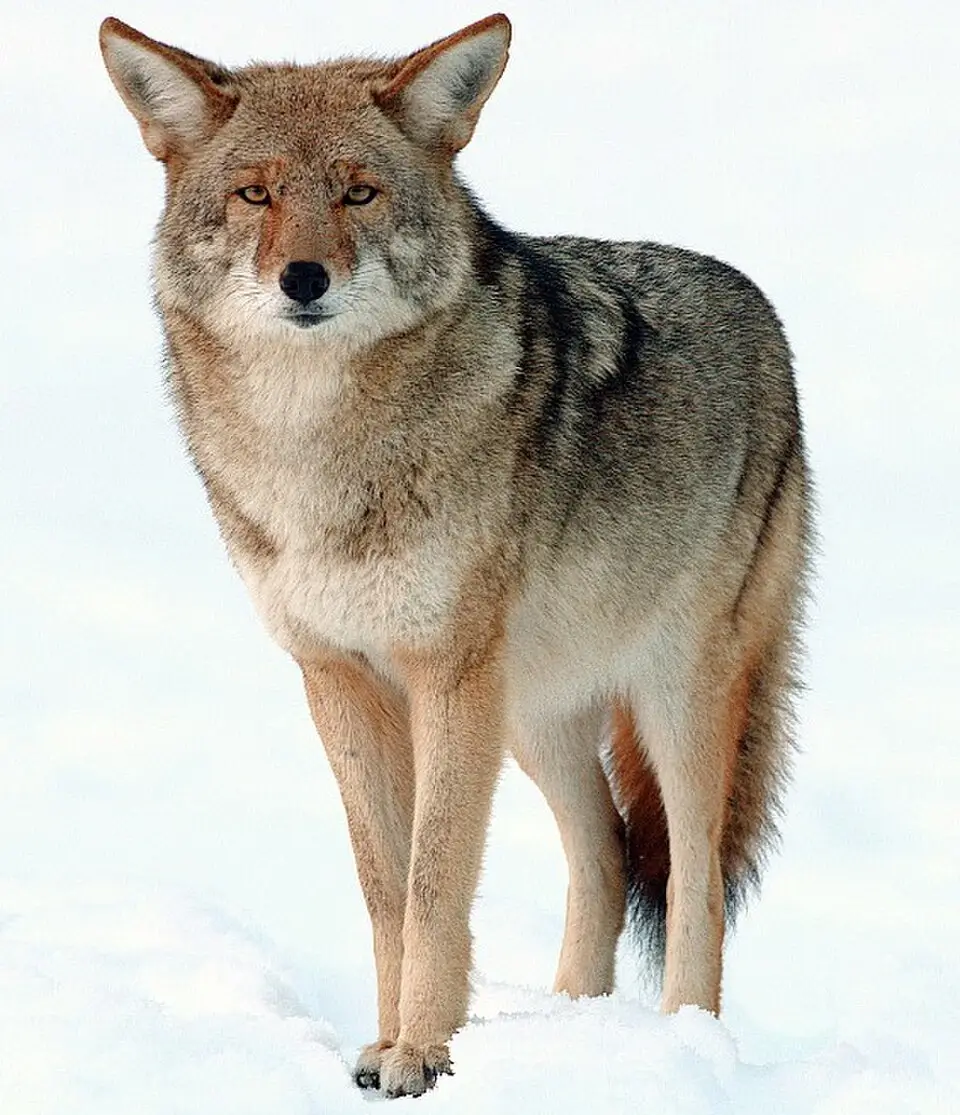
In terms of physical appearance, coyotes are medium-sized canids with a lean, athletic build. They typically display a grayish-brown to reddish-brown coat that can vary considerably depending on geographic region and season. The belly and throat are generally lighter in color, and the tail — bushy and tipped in black — is usually carried low when running, which distinguishes coyotes from domestic dogs and wolves. Their ears are large and pointed, their muzzle is long and narrow, and their eyes convey an alert, intelligent expression that experienced hunters quickly learn to respect.
Adult coyotes are highly adaptable in their diet, classifying them as true omnivores. While they are skilled hunters of small to medium-sized prey — including rabbits, hares, rodents, birds, and deer fawns — they also consume fruits, berries, insects, carrion, and human-associated food sources when available. This dietary flexibility is a cornerstone of the coyote's extraordinary success as a species.
Coyotes are also notable for their complex social structure. They can live solitarily, in mating pairs, or in small family groups. Mating typically occurs in late winter, and pups are born in spring after a gestation period of approximately 63 days. Litter sizes can vary, and one of the most remarkable biological traits of the coyote is its ability to increase litter size in response to population pressure — a self-regulating mechanism that has contributed to the species' persistence even in areas of significant human activity.
Their senses are highly refined. Coyotes possess excellent hearing, a keen sense of smell, and sharp eyesight — all essential tools for a predator that must outsmart prey and avoid danger in equal measure. These same attributes make them a formidable and deeply rewarding hunting challenge.
Habitat & Range
The coyote's range is one of the most expansive of any North American carnivore. Originally a species of the open plains and deserts of the American West, the coyote has dramatically expanded its territory over the past century, now occupying habitats from Alaska and Canada south through Central America, and from the Pacific Coast to the Atlantic seaboard. This range expansion is a testament to the species' extraordinary adaptability.
In Idaho, coyotes are found statewide — from the lowest desert valleys near the Nevada and Utah borders to the highest alpine terrain in the central mountain ranges. Idaho's geography, which spans approximately 83,569 square miles, offers a stunning mosaic of habitat types, and coyotes exploit nearly all of them. The vast sagebrush steppe of southern Idaho provides prime coyote country, where jackrabbits and ground squirrels offer abundant prey. Agricultural valleys support healthy coyote populations drawn to livestock birthing seasons and the rodents that inhabit crop fields. River corridors, canyon lands, and timbered foothills all harbor coyotes year-round.
Idaho's position in the Pacific Northwest and Mountain West — bordered by Montana, Wyoming, Nevada, Utah, Washington, and Oregon, and sharing a northern border with the Canadian province of British Columbia — places it at the geographic heart of prime coyote country. The connectivity between Idaho's wild lands and those of neighboring states and Canada means that coyote populations are robust, wide-ranging, and continuously replenished through natural dispersal.
Coyotes are crepuscular and nocturnal by nature, meaning they are most active during dawn, dusk, and overnight hours. However, they are regularly observed during daylight in areas where human disturbance is low or food is plentiful. In Idaho's more remote backcountry, daytime sightings are far from uncommon.
Hunting Information
The coyote is one of the most popular predator hunting species in the United States, and Idaho offers outstanding opportunities for hunters of all experience levels. Coyote hunting is widely practiced throughout the state and is embraced by a broad community of hunters — from dedicated predator callers to deer and elk hunters who pursue coyotes during the off-season to stay sharp and contribute to wildlife management efforts.
One of the defining features of coyote hunting is the use of calls. Electronic callers and mouth-blown calls that mimic distressed prey animals — such as wounded rabbits or squealing rodents — are standard tools of the trade. Coyotes are intensely curious and opportunistic hunters, and they respond readily to these sounds, often approaching at a run. Skilled hunters also employ coyote vocalizations — howls, challenge barks, and pup-in-distress calls — to pull in territorial animals or locate coyotes across large areas of terrain.
Idaho's landscape lends itself particularly well to calling setups. Open sagebrush flats allow hunters to spot incoming coyotes at long range, while canyon edges, timbered draws, and agricultural field margins offer excellent ambush points. Many hunters in Idaho pursue coyotes during the winter months, when fur quality is at its peak, snow aids in tracking and visibility, and coyotes are especially responsive to calls as they are actively seeking food during lean conditions.
From a gear perspective, coyote hunting rewards hunters who invest in quality optics, effective camouflage, and accurate rifles or shotguns appropriate to the terrain. Long-range rifles are popular on Idaho's open plains and high desert, while shotguns loaded with appropriate payloads excel in brushy, close-range environments. Hunters are encouraged to consult Idaho's official state hunting regulations for the most current information on licensing requirements, season dates, and any applicable rules before heading afield, as regulations can change from year to year.
Beyond the sport, coyote hunting plays a meaningful role in Idaho's agricultural communities. Ranchers and farmers across the state rely on responsible predator management to protect livestock, particularly during calving and lambing seasons. Hunters who pursue coyotes contribute directly to these efforts, forming a valuable partnership between the hunting community and Idaho's agricultural heritage.
Conservation
Despite being one of the most hunted predators in North America, the coyote has demonstrated a remarkable ability to maintain healthy population levels across its range. This resilience is not simply a matter of luck — it reflects the species' extraordinary biological adaptability, including its capacity to adjust litter sizes in response to population pressure, its dietary flexibility, and its ability to colonize new habitats as landscapes change.
From a conservation standpoint, the coyote occupies an important ecological role as a mesopredator. By regulating populations of rodents, rabbits, and other small animals, coyotes help maintain balance in the ecosystems they inhabit. In areas where larger predators like wolves have been absent, coyotes have stepped into a critical niche, shaping prey populations and influencing vegetation patterns in ways that reverberate throughout the food web.
Coyotes also serve as indicators of ecosystem health. Their presence across such a wide range of habitat types reflects the adaptability and complexity of North American ecosystems — and their continued success speaks to the resilience of wild places like Idaho's diverse landscapes.
Responsible hunting is a key component of coyote management in Idaho and across the West. Hunters who engage ethically and thoughtfully with this species contribute to a broader conservation ethic that values wildlife for its intrinsic worth as well as its role in sustaining healthy landscapes. Organizations dedicated to predator hunting consistently emphasize fair chase, species respect, and responsible land stewardship — values that align closely with Idaho's rich outdoor heritage.
Conclusion
The coyote is, in every sense, one of North America's great wildlife success stories. Intelligent, adaptable, and deeply woven into the fabric of the American West, Canis latrans continues to thrive in an ever-changing world. For hunters in Idaho, pursuing the coyote is more than a sport — it is an engagement with a wild, ancient intelligence that demands skill, patience, and deep respect. Whether you're a seasoned predator caller or a first-time hunter stepping out into Idaho's sagebrush country at dawn, the coyote promises an experience unlike any other in the outdoors.