Overview
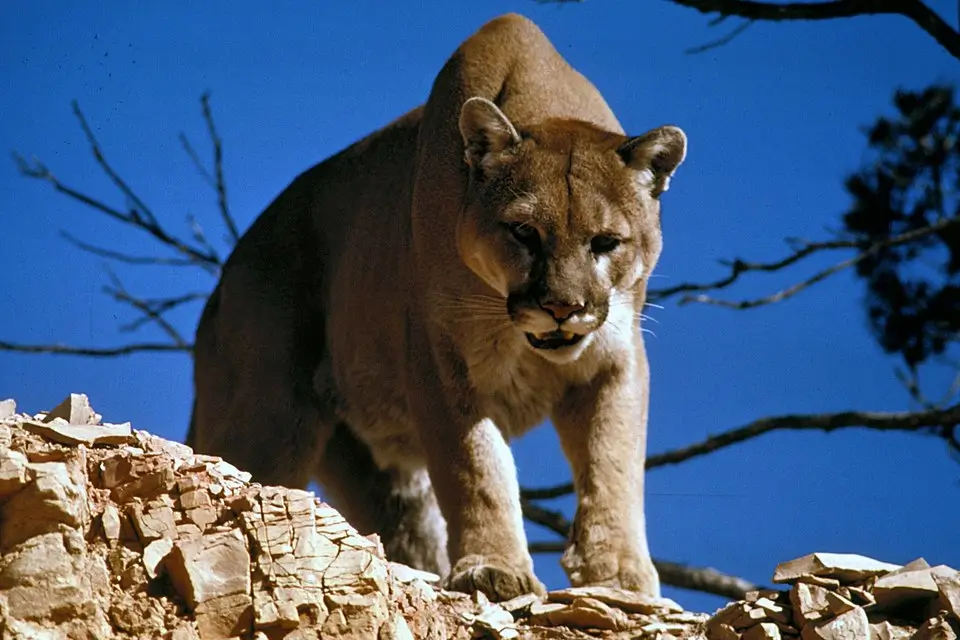
Few animals embody the wild spirit of the American West quite like the cougar. Known by more names than perhaps any other mammal in the Western Hemisphere — mountain lion, puma, panther, catamount, and painter, among others — the cougar (Puma concolor) is a creature of legend, lore, and undeniable ecological significance. This large, secretive cat ranges across an extraordinary span of habitats, from the snowy peaks of the Canadian Rockies to the swamps of Florida and the dry forests of South America.
In states like Idaho, where rugged mountains, dense forests, and vast wilderness areas dominate the landscape, the cougar holds a special place in both natural ecosystems and outdoor heritage. For hunters, wildlife watchers, and conservationists alike, the cougar represents one of the most fascinating large predators in North America. This article explores the cougar's biology, habitat, hunting traditions, and conservation status, with particular attention to its presence in the Gem State.
Biological Traits
The cougar belongs to the family Felidae and is the largest member of the small-cat lineage (subfamily Felinae), despite often being grouped with "big cats" in popular usage. Unlike true big cats such as lions and tigers, cougars cannot roar; instead, they communicate through purrs, hisses, growls, chirps, and the famous bloodcurdling scream associated with breeding females and territorial displays.
Adult cougars are tawny to grayish-brown in color, with lighter underparts, a long tail tipped in black, and dark markings on the face. Their scientific name, Puma concolor, translates roughly to "cat of one color," referring to their uniform coat. Kittens, by contrast, are born with distinctive dark spots and ringed tails, which fade as they mature.
Cougars are powerfully built predators with muscular hindquarters that enable extraordinary leaping ability. They are capable of jumping considerable vertical and horizontal distances, allowing them to ambush prey from rocky outcrops, fallen logs, or low tree branches. Their large paws, retractable claws, and acute binocular vision make them superb stalkers, especially in low-light conditions at dawn and dusk when they are most active.
In terms of size, male cougars are typically larger than females. They have long bodies, small rounded heads relative to their body size, and short, rounded ears. Their dentition is specialized for an obligate carnivore lifestyle: long canines for delivering killing bites and shearing carnassials for processing meat.
Diet centers on ungulates — deer being the primary prey across most of their range — but cougars are opportunistic and will take elk, moose calves, bighorn sheep, mountain goats, smaller mammals such as porcupines, rabbits, and rodents, and occasionally birds. After a successful kill, cougars typically drag their prey to a sheltered location and cover it with debris, returning over several days to feed.
Cougars are solitary by nature. Adults maintain large home ranges that may overlap minimally with members of the opposite sex but are generally exclusive of same-sex individuals. They communicate territory through scent marking, scrapes, and vocalizations. Reproduction can occur year-round, though peaks vary by region, and females typically raise litters of one to four kittens alone, teaching them to hunt before they disperse to establish their own territories.
Habitat & Range
The cougar holds the distinction of having the largest geographic range of any wild terrestrial mammal in the Western Hemisphere. Historically, they roamed from the Yukon in Canada to the southern Andes of South America, and from the Atlantic to the Pacific coasts. Today, their range in North America is concentrated in the western United States, western Canada, Mexico, and a small but important remnant population in southern Florida (the Florida panther).
Cougars are remarkably adaptable. They thrive in coniferous forests, mixed woodlands, mountainous terrain, desert canyons, subtropical wetlands, and even semi-arid grasslands — anywhere with sufficient cover and adequate prey populations. They tend to avoid open areas where stalking is difficult, preferring landscapes that provide structural complexity such as cliffs, ravines, dense vegetation, and broken terrain.
Idaho offers some of the finest cougar habitat on the continent. The state's geography — encompassing the Bitterroot, Selkirk, Sawtooth, and Salmon River mountain ranges, along with extensive national forest lands and wilderness areas like the Frank Church–River of No Return — provides an ideal mosaic of forested ridges, deep canyons, and abundant deer and elk populations. As a landlocked state in the Mountain West and Pacific Northwest, Idaho's varied elevations and ecosystems support healthy populations of cougars that move seasonally between high-country summer habitats and lower-elevation winter ranges, often following migrating ungulate herds.
The state's relatively low human population density outside of areas like Boise, combined with vast tracts of public land, makes Idaho one of the strongholds for cougars in the contiguous United States.
Hunting Information
Hunting cougars has a long tradition in the American West, dating back to indigenous peoples and continuing through the eras of frontier settlement, livestock ranching, and modern regulated wildlife management. Today, the cougar is classified as a game animal in most western states, and hunting is carefully managed by state wildlife agencies to balance population health, ecological function, and public safety.
In Idaho, cougar hunting is a recognized pursuit overseen by the Idaho Department of Fish and Game, which manages season structures, harvest quotas, licensing requirements, and reporting protocols. Because specific season dates, license requirements, and unit-by-unit regulations can change from year to year, hunters are strongly encouraged to consult the most current Idaho Department of Fish and Game publications and the official IDFG website before planning a hunt.
Cougar hunting methods commonly used across the West include:
- Hound hunting: Trained hounds track and tree cougars, allowing hunters to approach on foot. This is the most traditional and widely practiced method.
- Predator calling: Mimicking the sounds of distressed prey or rival cats to lure cougars into shooting range.
- Tracking in snow: Following fresh tracks through fresh snow, often called "cutting tracks," is a skill-intensive method favored by experienced hunters.
- Opportunistic harvest: Some cougars are taken incidentally during deer or elk hunts, where legal.
Successful cougar hunting demands patience, woodsmanship, and a deep understanding of the landscape. Cougars are notoriously difficult to locate without dogs because of their secretive habits, nocturnal tendencies, and ability to move silently across great distances.
Ethical hunters who pursue cougars often emphasize the importance of full utilization, mandatory reporting to wildlife agencies, and respect for the animal. Harvested cougars typically must be checked in with state biologists, who collect data on age, sex, location, and condition — information that directly informs management decisions.
Conservation
The cougar's conservation story is one of resilience. Following centuries of bounty hunting, habitat loss, and persecution, cougar populations in the eastern United States were largely eliminated by the early 20th century, with the notable exception of the endangered Florida panther. In the West, however, regulated management policies enacted in the latter half of the 20th century allowed populations to recover significantly.
Today, Puma concolor is listed as "Least Concern" by the International Union for Conservation of Nature (IUCN) on a global scale, though certain subpopulations face significant threats. Habitat fragmentation, road mortality, prey base reductions, and conflicts with livestock and humans remain ongoing challenges. The Florida panther, in particular, continues to be one of the most endangered mammals in North America, with conservation efforts focused on genetic rescue, habitat corridors, and reducing vehicle collisions.
In Idaho and other western states, science-based management has produced stable, sustainable cougar populations. Wildlife agencies use a combination of population modeling, harvest data, prey surveys, and field research to ensure that cougar numbers remain healthy while addressing concerns related to ungulate management, livestock depredation, and rare human-cougar encounters.
Coexistence is an increasingly important theme in cougar conservation. As suburban development expands into traditional cougar habitats, public education about how to live safely in lion country — securing livestock and pets, hiking in groups, and understanding cougar behavior — has become a cornerstone of modern management.
The cougar remains a symbol of wild America: powerful, mysterious, and essential to the ecosystems it inhabits. Whether glimpsed briefly on a distant ridgeline, tracked through fresh snow, or simply known to exist somewhere in the timbered backcountry, the mountain lion enriches the wild character of states like Idaho in ways few other animals can.