Overview
Few birds are as instantly recognizable across the North American landscape as the Canada goose (Branta canadensis). With its distinctive black head and neck, bright white cheek patches, and resonant honking call, this large waterfowl species has become one of the most iconic symbols of wild places and seasonal change on the continent. Whether you watch them in breathtaking V-formation overhead during a crisp autumn morning or encounter them along the banks of a quiet Idaho river, Canada geese command attention and inspire a deep appreciation for the natural world.
The Canada goose is a member of the family Anatidae — the broad family that includes all ducks, geese, and swans — and belongs to the genus Branta, which encompasses the so-called "black geese," characterized by their dark head and neck plumage. As one of the most studied and managed waterfowl species in North America, Branta canadensis occupies a fascinating place in both the natural ecosystem and the hunting tradition of states like Idaho. Its populations have rebounded remarkably from historic lows, and today the species thrives across an enormous geographic range, making it an important subject for wildlife managers, hunters, and bird enthusiasts alike.
In Idaho, a landlocked state nestled in the Pacific Northwest and Mountain West subregions of the Western United States, the Canada goose is a familiar and beloved resident. Idaho's diverse landscapes — from the Snake River Plain to its mountain valleys, wetlands, and reservoirs — provide outstanding habitat for these birds throughout the year. Whether you are an experienced waterfowl hunter, a wildlife photographer, or simply someone who enjoys observing nature, understanding the Canada goose in depth enriches every encounter with this remarkable bird.
Biological Traits
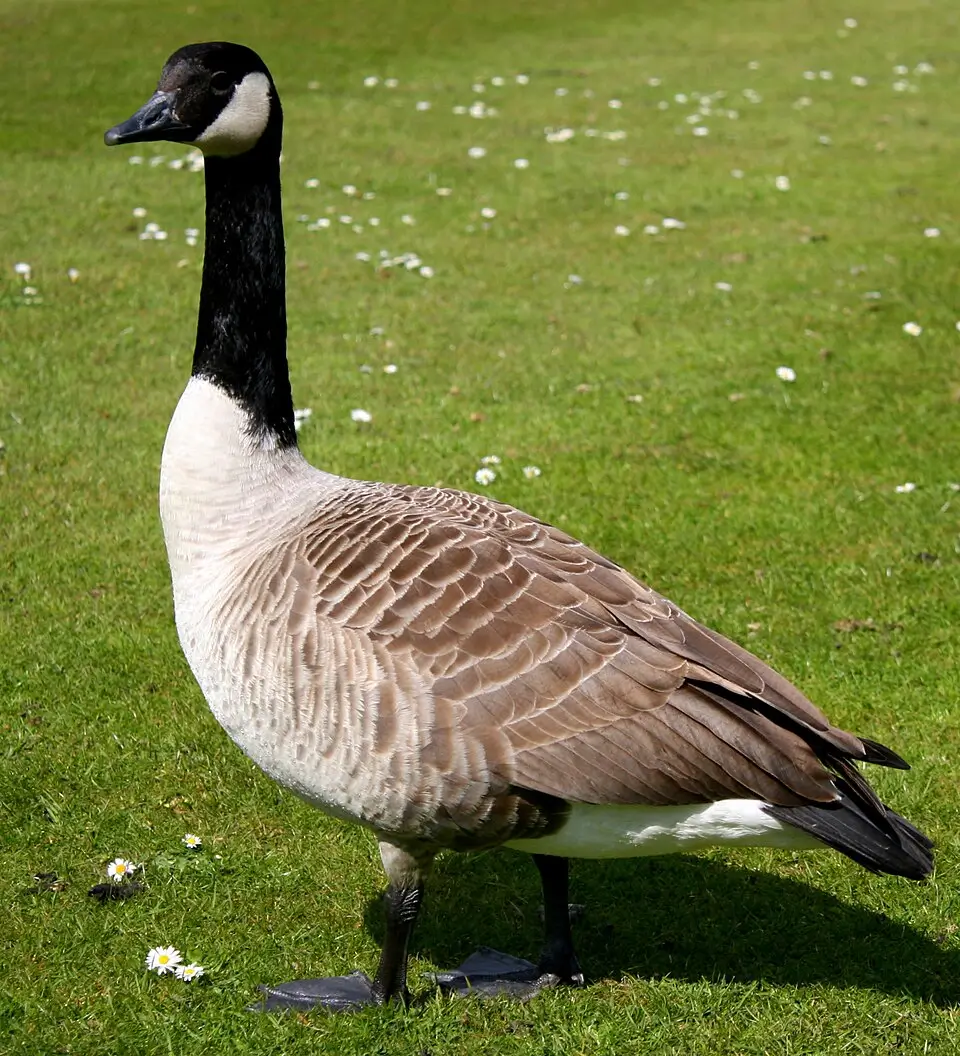
The Canada goose (Branta canadensis) is one of the largest waterfowl species found in North America. Adults are immediately identifiable by several key physical characteristics: a long black neck, a black head, and a striking white patch on the cheek and chin that forms what birders often describe as a "chinstrap." The body plumage is typically brown across the back and wings, with a lighter, often creamy or tan breast and belly. The tail and rump are black, providing a sharp contrast with the white undertail coverts.
Within the species Branta canadensis, taxonomists recognize multiple subspecies that vary considerably in size. The largest subspecies, such as the Giant Canada goose (B. c. maxima), can weigh upwards of 14 pounds or more and measure over 40 inches in length, making them among the heaviest flying birds in North America. Smaller subspecies, sometimes called "cacklers," are much more compact. This size variation was historically a source of taxonomic debate, and in 2004 the American Ornithological Society officially split the smaller forms into a separate species, the cackling goose (Branta hutchinsii), though many hunters and wildlife enthusiasts still refer to both groups colloquially as "Canada geese."
Canada geese are highly vocal birds. Their distinctive honking calls — ranging from deep, resonant notes in larger birds to higher-pitched calls in smaller subspecies — serve important social functions. Calls help maintain flock cohesion during migration, signal alarm, and facilitate communication between mated pairs and family groups. Canada geese are monogamous and typically form long-term pair bonds, often mating for life. Nesting typically begins in early spring, with the female selecting a nest site near water. Clutches generally consist of several eggs, and goslings are precocial — meaning they are mobile and capable of feeding themselves shortly after hatching, though they remain under the close protection of both parents.
One of the most remarkable aspects of Canada goose biology is their well-documented intelligence and adaptability. These birds are capable of learning from experience, recognizing individual humans, and adjusting their behavior in response to environmental changes. This cognitive flexibility has enabled them to thrive in a wide range of environments, including urban parks, golf courses, agricultural fields, and wild wetlands.
Habitat & Range
The Canada goose is found across virtually the entire North American continent at various times of year, making it one of the most widely distributed waterfowl species on earth. Its breeding range extends from the northern United States well into Canada and Alaska, while its wintering range covers much of the continental United States and extends into northern Mexico. Migratory populations travel along well-established flyways, following ancestral routes that have been refined over countless generations.
Idaho's geographic position makes it an important part of the Pacific Flyway, one of the four major North American migratory bird corridors. The state's varied terrain includes mountain ranges, river valleys, extensive wetlands, and large reservoirs — all of which provide critical habitat for Canada geese. Major water bodies such as the Snake River, the Clearwater River, the North Fork of the Boise River, and reservoirs like Lucky Peak and Cascade Reservoir attract significant concentrations of geese during migration and winter months.
Canada geese are highly adaptable in their habitat preferences. They are strongly associated with open water — lakes, rivers, ponds, and marshes — but they also rely heavily on adjacent grasslands, agricultural fields, and grassy shorelines for foraging. Geese are primarily grazers, feeding on grasses, sedges, aquatic vegetation, and agricultural crops such as corn and winter wheat. In Idaho, the combination of irrigated agricultural lands and natural waterways creates ideal foraging and roosting conditions for both resident and migratory populations.
Importantly, not all Canada geese in Idaho are migratory. "Resident" populations — geese that do not undertake long-distance migrations — have established themselves in many parts of the state, particularly in urban and suburban areas near parks, golf courses, and landscaped water features. These resident populations have grown substantially over recent decades, a trend observed across the United States as geese adapt to human-modified landscapes.
Hunting Information
The Canada goose holds a prominent place in the waterfowl hunting tradition of Idaho and the broader Pacific Northwest. As a migratory species, Canada geese are regulated under the federal Migratory Bird Treaty Act, which means that hunting seasons, bag limits, and licensing requirements are established through a cooperative framework involving the U.S. Fish and Wildlife Service and individual state wildlife agencies, in Idaho's case the Idaho Department of Fish and Game (IDFG).
Because the specific season dates, bag limits, and license requirements for Canada goose hunting in Idaho were not available in the source data consulted for this article, hunters are strongly encouraged to consult the Idaho Department of Fish and Game directly for the most current and accurate regulations. Waterfowl regulations in Idaho — as in all states — can change from year to year based on population surveys, habitat assessments, and management objectives established by wildlife biologists. Checking the current IDFG waterfowl regulation booklet before heading afield is not only a legal requirement but a best practice for every responsible hunter.
What can be said with confidence is that Canada goose hunting in Idaho takes place within the Pacific Flyway framework, and the state's landscape offers outstanding opportunities for waterfowlers. Field hunting over agricultural stubble, pass shooting along river corridors, and decoy spreads set up near ponds and reservoirs are all proven methods for pursuing Canada geese in the state. Layout blinds, pit blinds, and natural vegetation concealment are popular choices for field hunts, while layout boats and reed blinds serve hunters working open water.
Calling is a significant part of the Canada goose hunting experience. A skilled caller can dramatically increase success by convincing wary birds to commit to a decoy spread. Many hunters invest considerable time learning the basic vocabulary of Canada goose calls — the greeting call, the cluck, the comeback call, and the feeding moan — all of which can be reproduced with commercially available short-reed goose calls. Decoy spreads for Canada geese are typically larger than those used for ducks, with full-body decoys arranged in realistic family group configurations often proving most effective.
Steel shot and other non-toxic shot types are federally mandated for waterfowl hunting in the United States, and Idaho hunters must comply with this requirement. Non-toxic alternatives — including bismuth, tungsten, and various alloy blends — have advanced significantly in recent decades, offering performance that approaches or matches traditional lead loads.
Conservation
The conservation story of the Canada goose is one of the great success narratives in North American wildlife management. In the early and mid-twentieth century, overhunting and habitat loss led to severe population declines across much of the continent. The Giant Canada goose (B. c. maxima) was at one point believed to be extinct, before a remnant population was discovered in Rochester, Minnesota in 1962 by wildlife biologist Harold Hanson.
Through the combined efforts of federal and state agencies, conservation organizations, and regulated hunting frameworks, Canada goose populations have rebounded dramatically. Today, Canada geese are abundant across their range, and in some areas — particularly in urban and suburban environments — local populations have grown to the point where management actions are occasionally required to balance ecological and human interests.
Habitat conservation remains a cornerstone of Canada goose management. Wetland preservation programs, conservation easements on agricultural lands, and restoration of riparian corridors all contribute to sustaining healthy goose populations. In Idaho, state and federal land management programs protect critical wetland and riparian habitats along major river systems and reservoirs that geese depend on throughout the annual cycle.
Hunters play a direct role in conservation through the purchase of federal Duck Stamps (formally, the Migratory Bird Hunting and Conservation Stamp), which fund the acquisition and protection of wetland habitats across the United States. Since its inception in 1934, the Federal Duck Stamp program has protected millions of acres of wetland habitat — habitat that benefits not only Canada geese and other waterfowl but a vast array of non-game wildlife species as well.