Overview
Few animals embody the spirit of wild North America quite like the bobcat. Elusive, powerful, and remarkably adaptable, the bobcat (Lynx rufus) is the continent's most common and widely distributed wild cat. Found from the humid swamps of the southeastern United States to the rugged mountain terrain of the Pacific Northwest, this medium-sized feline has carved out a successful existence across an extraordinary range of environments. In states like Idaho, where vast wilderness stretches from high desert plateaus to dense coniferous forests and dramatic river canyons, the bobcat finds some of its most ideal habitat.
Despite being relatively abundant compared to other large predators, the bobcat remains one of the most seldom-seen animals in the wild. Masters of stealth and camouflage, these cats go about their solitary lives largely undetected by human observers. Yet their presence is deeply felt throughout the ecosystems they inhabit, playing a vital role as a mid-level predator that helps regulate populations of rodents, rabbits, and other small to medium-sized prey species.
For hunters, wildlife enthusiasts, and naturalists alike, the bobcat represents one of North America's most fascinating subjects. Understanding its biology, behavior, and the habitats it calls home is the first step toward appreciating just how remarkable this animal truly is.
Biological Traits
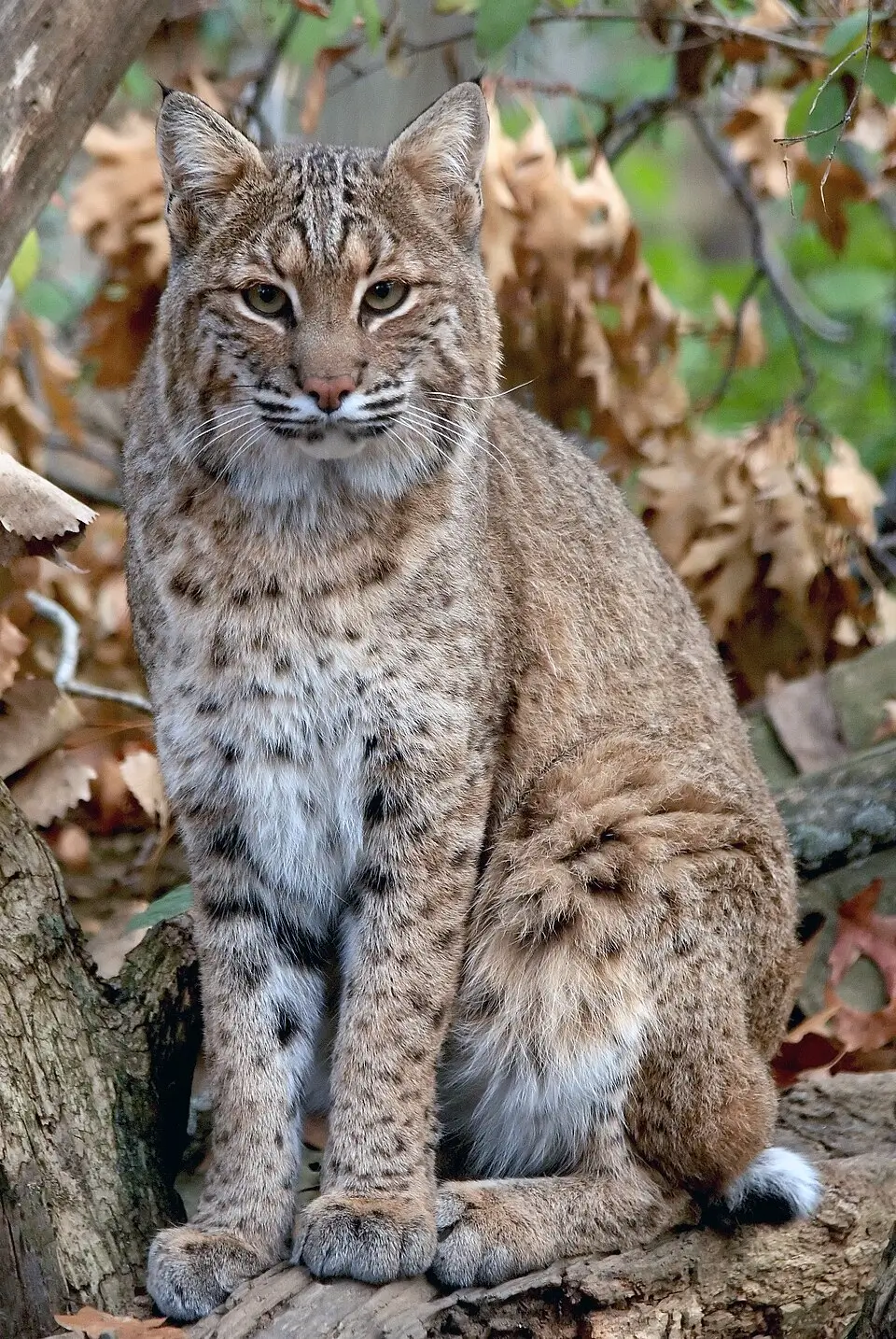
The bobcat (Lynx rufus) belongs to the family Felidae and the genus Lynx, making it a close relative of the Canada lynx (Lynx canadensis), the Eurasian lynx (Lynx lynx), and the Iberian lynx (Lynx pardinus). The species name rufus is derived from the Latin word for "red," a reference to the animal's reddish-brown to tawny coat, which is typically marked with dark spots, streaks, and bars that provide excellent camouflage in a variety of natural settings.
One of the most distinctive physical features of the bobcat is its short, "bobbed" tail, which typically measures between four and seven inches in length and gives the animal its common name. The tail is banded with black bars and tipped with black on top and white underneath — a characteristic that helps distinguish bobcats from their larger cousin, the Canada lynx, which has an entirely black-tipped tail.
Bobcats are medium-sized cats that are noticeably larger and more powerfully built than a typical domestic cat. Adult males are generally larger than females. The face is adorned with a distinct facial ruff — longer fur along the cheeks and sides of the head — which gives the bobcat a somewhat wide-faced, alert appearance. Their ears are tipped with short tufts of black fur, another characteristic shared with other lynx species, though the tufts of the bobcat are shorter than those of the Canada lynx.
The feet of the bobcat are well-suited to its predatory lifestyle. Large, padded paws allow for near-silent movement through brush and leaf litter, while sharp, retractable claws provide the grip needed to capture prey or scale trees when necessary. Bobcats are excellent climbers and will readily take to trees to escape danger or survey their surroundings.
As carnivores, bobcats rely on a diverse diet that shifts with the seasons and the availability of prey. Rabbits and hares form the backbone of their diet across most of their range, but they are opportunistic hunters that will also take squirrels, mice, voles, birds, and occasionally larger prey such as deer — particularly fawns or weakened adults during winter months. This dietary flexibility is one of the key reasons for the bobcat's remarkable success as a species.
Bobcats are solitary animals outside of the breeding season. They maintain home ranges that they mark with scent glands, urine, and scratch marks on trees or logs. Males typically have larger home ranges than females, and these ranges may overlap with those of several females but rarely with those of other males. Communication between individuals occurs primarily through these scent markings, as well as through a variety of vocalizations that include yowls, hisses, and screams — sounds that can be startling and haunting when heard in the wild.
Breeding typically occurs in late winter, with a gestation period of approximately 60 to 70 days. Litters usually consist of two to four kittens, which are born blind and helpless. The mother raises her young alone, teaching them to hunt before they disperse to establish their own territories, typically before the onset of the next breeding season.
Habitat & Range
The bobcat holds the distinction of being the most widely distributed wild cat in North America. Its range extends from southern Canada through virtually the entire contiguous United States and into central Mexico. This remarkable geographic breadth is a testament to the animal's exceptional adaptability.
Within this vast range, bobcats occupy a tremendous variety of habitat types. They are found in deciduous and coniferous forests, semi-arid scrublands, swamps, coastal marshes, desert edges, and even suburban fringes where wild land meets human development. The common thread connecting all of these habitats is the presence of adequate prey, denning cover, and enough seclusion to raise young successfully.
In Idaho specifically, the bobcat is well at home. Idaho's diverse landscape — encompassing the high sagebrush steppe of the Snake River Plain, the rugged canyon lands of the Owyhee and Salmon River regions, and the dense coniferous forests of the Panhandle and central mountain ranges — provides a mosaic of habitat types that suit the bobcat's preferences perfectly. Rocky outcroppings, dense brush, rimrock terrain, and riparian corridors all serve as important components of bobcat habitat throughout the state. Idaho's vast public lands, which comprise a significant portion of the state's total area, provide expanses of relatively undisturbed wild country that support healthy bobcat populations.
Bobcats in mountainous regions like much of Idaho tend to shift their elevational range seasonally, moving to lower elevations in winter as deep snow reduces prey availability and makes travel more difficult. They are less well-adapted to deep snow conditions than the Canada lynx, whose large feet act almost like snowshoes, giving the lynx a competitive advantage in the high-elevation forests of northern Idaho where both species may be present.
Hunting Information
Bobcat hunting is a legitimate and regulated outdoor pursuit in many states across the United States, including Idaho. The activity has a long tradition in North America, valued both for the challenge it presents and for the quality of the bobcat's distinctive fur pelt. Bobcat hunting requires a high degree of woodsmanship, patience, and knowledge of the animal's behavior — qualities that make it a demanding and rewarding pursuit for experienced hunters and predator callers.
Common methods for hunting bobcat include the use of predator calls, which mimic the sounds of distressed prey animals, and still-hunting or spot-and-stalk approaches in areas with known bobcat activity. Dogs trained for big game or predator hunting are also used in some jurisdictions. Trapping is another traditional method that has long been practiced as part of the North American furbearer tradition.
Because the source data for this article does not include specific current season dates, bag limits, license requirements, or other regulatory details for Idaho bobcat hunting, hunters are strongly encouraged to consult the Idaho Department of Fish and Game directly for up-to-date and accurate information before pursuing bobcat in the state. Regulations can change from year to year, and ensuring compliance with all applicable rules is both a legal obligation and an ethical responsibility for every hunter.
What can be said broadly is that bobcat hunting in Idaho takes place against the backdrop of some of the most spectacular wild country in the American West. The combination of rugged terrain, abundant public land access, and healthy wildlife populations makes Idaho a highly regarded destination for those who pursue bobcats and other furbearers.
Conservation
The bobcat's conservation status is generally considered stable across much of its range. It is listed as a species of Least Concern by the International Union for Conservation of Nature (IUCN), reflecting the fact that it maintains healthy populations across its extensive geographic range. This status stands in contrast to many other wild felid species around the world, which face serious threats from habitat loss and human persecution.
The bobcat's resilience can be attributed to several factors: its broad dietary flexibility, its ability to thrive in fragmented and edge habitats, and its relatively high reproductive rate compared to larger predators. Even as human development has transformed large portions of North America, the bobcat has demonstrated a remarkable capacity to persist and even expand its range in some areas.
However, conservation vigilance remains important. Bobcat populations can be affected by factors including habitat fragmentation, road mortality, disease, and the ongoing demand for bobcat pelts in international fur markets. Responsible wildlife management — including science-based harvest regulations, habitat protection, and monitoring of population trends — is essential to ensuring that bobcat populations remain healthy for future generations.
In Idaho and across the American West, the management of bobcats and other furbearers is guided by state wildlife agencies that work to balance sustainable harvest with long-term conservation goals. Hunters and trappers who participate in licensed, regulated harvest play an active role in funding wildlife management through the purchase of licenses and tags, supporting the North American Model of Wildlife Conservation — a system widely regarded as one of the most successful approaches to wildlife management in the world.