Overview
Few animals in North America capture the imagination quite like the raccoon (Procyon lotor). With its instantly recognizable black facial mask and boldly ringed tail, the raccoon is one of the most familiar and adaptable wild mammals on the continent. Found from the dense forests of the Pacific Northwest to the sun-baked marshlands of the Deep South, raccoons have established themselves as consummate survivors in virtually every environment they inhabit. In Georgia, a state blessed with extraordinary ecological diversity — from its coastal marshes and barrier islands to its Appalachian mountain foothills and sprawling Piedmont forests — the raccoon is a year-round resident and a cherished part of the outdoor heritage that defines life in the Peach State.
Raccoons are not merely nuisance animals, though they have certainly earned that reputation in some suburban neighborhoods. They are fascinating, highly intelligent mammals with complex social behaviors, remarkable manual dexterity, and an omnivorous diet that has allowed them to thrive in conditions that challenge most other wildlife species. For hunters, naturalists, and wildlife enthusiasts alike, the raccoon represents one of North America's most engaging and rewarding wild animals to pursue, observe, and understand.
Biological Traits
The raccoon belongs to the family Procyonidae and carries the scientific name Procyon lotor, a Latin designation that roughly translates to "before dog" and "washer" — a nod to the animal's curious habit of manipulating food items near water, which early observers interpreted as washing behavior. While modern researchers suggest this behavior is more closely tied to the raccoon's extraordinary sense of touch than to any desire for cleanliness, the image of the raccoon "washing" its food has become one of its most enduring cultural hallmarks.
One of the raccoon's most distinctive physical features is its highly sensitive front paws. The tactile receptors in a raccoon's forepaws are exceptionally well-developed, allowing the animal to identify objects by touch alone with remarkable precision. This sensitivity is actually heightened when the paws are wet, which helps explain why raccoons are so frequently observed dunking and manipulating food items near streams, ponds, and other water sources. This dexterity also makes raccoons extraordinarily capable foragers — they can open latches, unscrew lids, pry apart containers, and access food sources that would stymie most other mammals of similar size.
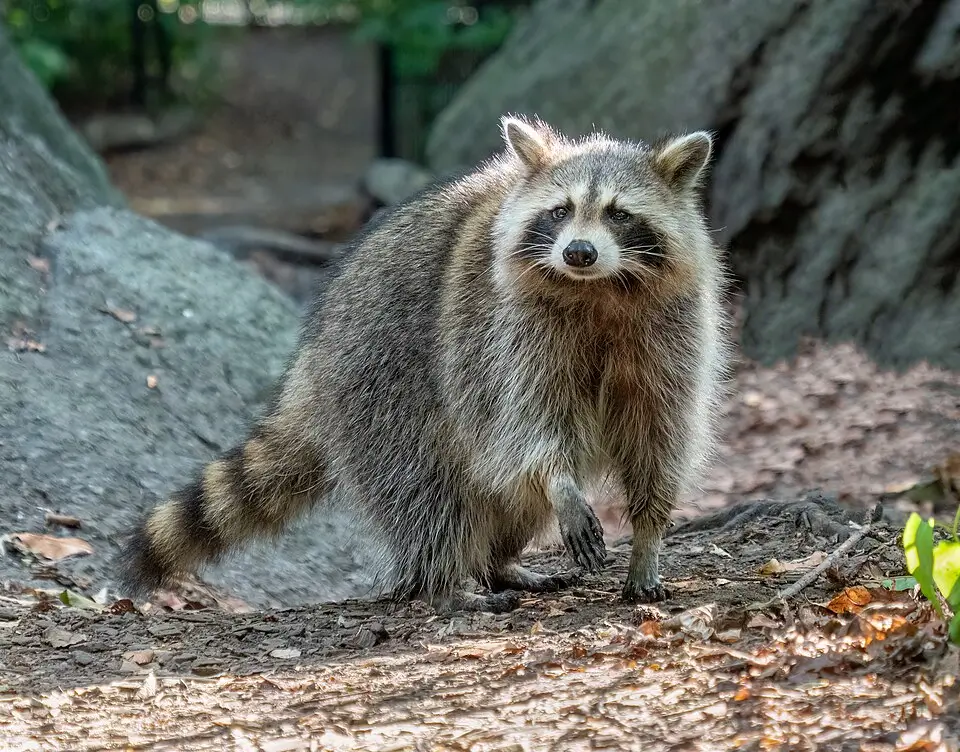
The raccoon's iconic facial mask — deep black patches of fur surrounding both eyes — is thought to reduce glare and enhance the animal's night vision, much like the eye black used by athletes. Raccoons are primarily nocturnal animals, meaning their most active periods occur between dusk and dawn. This behavioral pattern aligns with their need to avoid daytime predators and to take advantage of nighttime foraging opportunities.
Raccoons are medium-sized mammals, typically weighing anywhere from 8 to over 20 pounds depending on geography, season, and individual genetics. Northern populations tend to be larger than their southern counterparts, a biological phenomenon known as Bergmann's Rule. Their coats are dense and grizzled gray-brown in color, providing excellent camouflage in woodland settings. The tail, banded alternately in black and lighter fur, is one of the most recognizable features in the animal kingdom.
In terms of intelligence, raccoons consistently rank among the most cognitively capable of North American mammals. Studies have demonstrated their ability to solve puzzles, remember solutions for extended periods, and adapt their behavior based on prior experience. This intelligence is a key factor in their extraordinary success as a species — raccoons are quick to exploit new food sources and adjust to changing environmental conditions.
Raccoons are omnivores with a highly varied diet. They consume fruits, nuts, berries, insects, crayfish, frogs, fish, small mammals, bird eggs, and a wide assortment of human-sourced food waste. This dietary flexibility is one of the primary reasons raccoons have thrived in both wild and urban environments. In Georgia, raccoons take advantage of the state's rich biodiversity, feeding on everything from wild persimmons and muscadine grapes to crayfish and freshwater mussels in the state's many rivers and streams.
Reproduction in raccoons typically occurs once per year, with mating most commonly taking place in late winter and early spring. Litters generally consist of two to five young, known as kits, which are born in late spring. Kits remain with their mother through their first winter, learning critical foraging and survival skills before dispersing to establish their own territories. This extended parental investment helps explain the raccoon's behavioral complexity and adaptability.
Habitat and Range
The raccoon is one of the most broadly distributed mammals in North America. Its range extends from southern Canada through the continental United States and into Central America. The species has also been introduced — sometimes accidentally, sometimes intentionally — to parts of Europe and Asia, where it has established feral populations in numerous countries.
In the United States, raccoons are found in virtually every type of terrestrial habitat, though they show a strong preference for areas near water. Wooded bottomlands, riparian corridors, wetlands, swamps, marshes, and forested areas adjacent to streams and rivers represent prime raccoon habitat. They are equally comfortable, however, in agricultural areas, suburban neighborhoods, and even urban centers — wherever food sources are abundant and den sites are available.
Georgia's diverse landscape makes it an ideal home for raccoons. The state's geography encompasses the Blue Ridge Mountains in the north, the rolling Piedmont plateau through the central region, the coastal plain in the south, and a stunning Atlantic coastline featuring some of the most productive salt marshes in the eastern United States. Raccoons are found throughout all of these regions, adapting their behavior and diet to match each environment's particular resources.
In Georgia's coastal zone, raccoons are well-known inhabitants of the tidal marshes and barrier islands, where they feed extensively on fiddler crabs, oysters, and other marine invertebrates at low tide. In the mountain counties of northern Georgia, they forage for nuts, berries, and small vertebrates in the hardwood and mixed forests. Across the agricultural heartland of central and south Georgia, raccoons are frequent visitors to cornfields, peach orchards, and pecan groves — a fact that endears them to no one in the farming community but speaks volumes about their resourcefulness.
Den sites for raccoons are typically located in hollow trees, rock crevices, brush piles, or abandoned burrows. In suburban and urban areas, raccoons readily adopt chimneys, attic spaces, and crawl spaces as den locations. In Georgia, the abundance of mature hardwood trees — particularly large oaks, beeches, and sweetgums with natural cavities — provides excellent denning habitat across much of the state.
Hunting Information
Raccoon hunting is a beloved tradition throughout the American South, and Georgia is no exception. The pursuit of raccoons — particularly at night with the aid of trained hounds — is a time-honored activity that combines elements of dog training, woodsmanship, and camaraderie in a way that few other hunting pursuits can match. Coon hunting with dogs is deeply embedded in Georgia's outdoor culture, and the sound of hounds baying on a cold winter night remains one of the most evocative experiences the Georgia outdoors has to offer.
Traditional raccoon hunting involves the use of specially trained hound dogs — breeds such as the Black and Tan Coonhound, the Treeing Walker Coonhound, and the Redbone Coonhound — that are capable of tracking raccoons by scent, chasing them to a tree, and alerting hunters with their distinctive baying vocalizations. This style of hunting is conducted primarily at night and requires significant investment in dog training and care. For many Georgia hunters, the quality of the hounds is as important as the hunt itself.
Hunters pursuing raccoons in Georgia should consult the Georgia Department of Natural Resources (DNR) and its Wildlife Resources Division for current season dates, licensing requirements, and any applicable regulations. Hunting regulations in Georgia can change from year to year, and it is always the hunter's responsibility to obtain the most current and accurate regulatory information before heading afield. The Georgia DNR website is the authoritative resource for all hunting and trapping regulations in the state.
Beyond the traditional hound-hunting method, raccoons can also be taken by trapping, which is regulated separately from hunting in Georgia. Trappers pursuing raccoons should likewise consult the Georgia DNR for current trapping seasons and regulations.
Conservation
Despite being one of the most abundant and widespread mammals in North America, the raccoon's conservation status is a positive story. The species is listed as Least Concern by the International Union for Conservation of Nature (IUCN), reflecting stable and in many areas growing populations across its native range. Raccoons have demonstrated a remarkable capacity to adapt to human-modified landscapes, and their populations have generally expanded rather than contracted as human development has spread.
In Georgia, raccoon populations are considered healthy and well-established. Regulated hunting and trapping, overseen by the Georgia Department of Natural Resources, plays an important role in maintaining sustainable raccoon populations and supporting the broader ecosystem. Hunters and trappers who pursue raccoons contribute meaningfully to wildlife management efforts through the purchase of licenses and permits, funds that flow directly into conservation programs across the state.
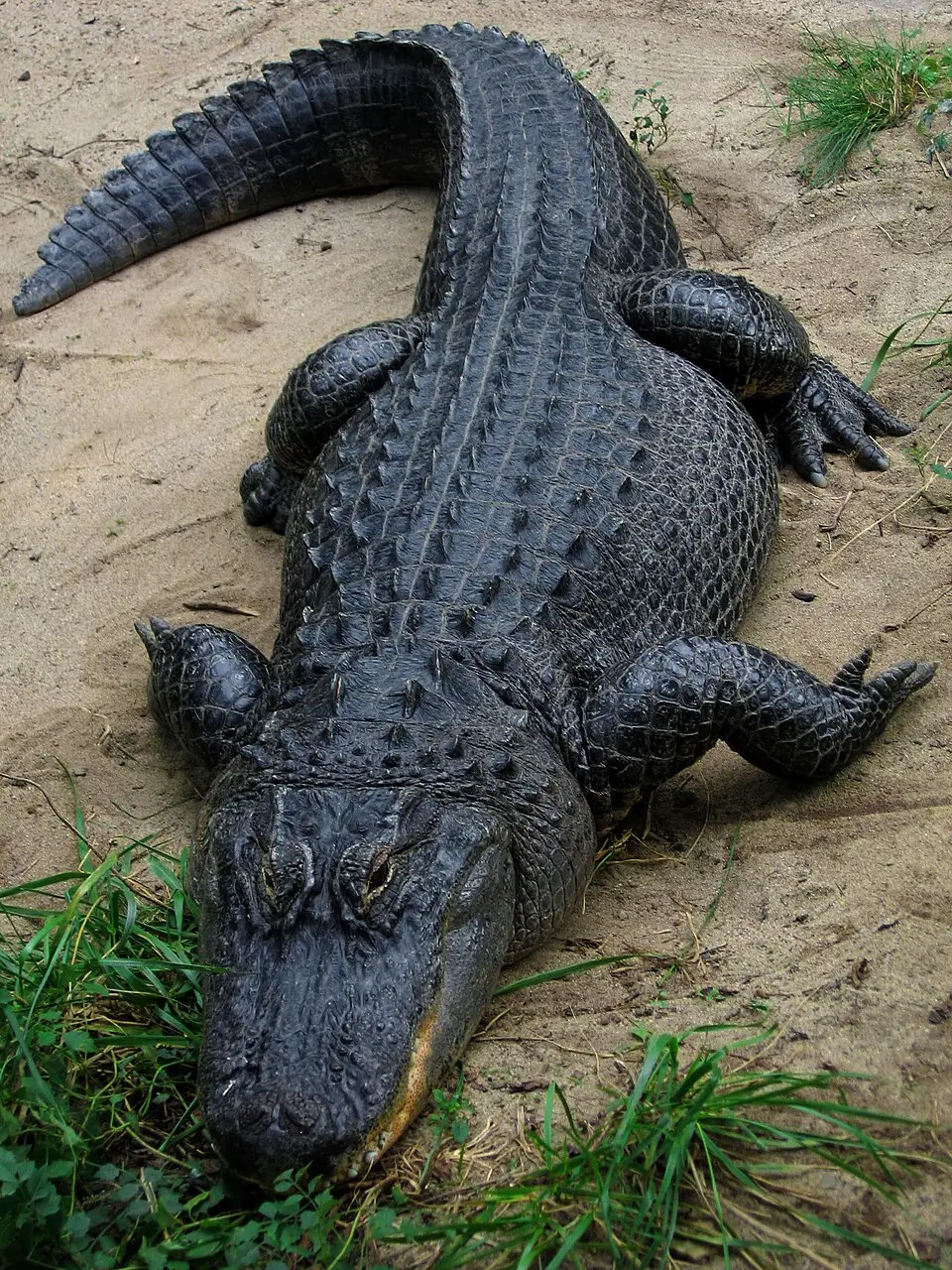
From a broader ecological perspective, raccoons play a meaningful role in the food web. They serve as prey for larger predators including bobcats, coyotes, great horned owls, and alligators in Georgia's southern reaches. As omnivores, they also function as seed dispersers and invertebrate population regulators, contributing to ecosystem health in subtle but important ways.
The raccoon's success story is, in many ways, a testament to the resilience of wildlife when given the opportunity to coexist with human civilization. In Georgia — a state that takes pride in its rich natural heritage and strong outdoor traditions — the raccoon will undoubtedly continue to be a familiar and cherished presence in forests, wetlands, and backyards for generations to come.