Overview
Few creatures capture the wild spirit of the American South quite like the American alligator (Alligator mississippiensis). An ancient reptile that has roamed the wetlands, swamps, and river systems of the southeastern United States for millions of years, the American alligator is one of the most iconic and ecologically significant animals on the continent. Often described as a "living fossil," this remarkable species has survived mass extinction events and dramatic shifts in the Earth's climate, yet it continues to thrive in the landscapes it has called home for eons.
For residents and outdoor enthusiasts in Georgia — a state nestled in the heart of the American Southeast — the American alligator is far more than a curiosity. It is a symbol of the region's wild character, a testament to successful conservation efforts, and an important part of the natural heritage that makes Georgia's outdoors so extraordinary. From the marshy expanses of the Okefenokee Swamp to the tidal creeks and coastal marshes along Georgia's Atlantic shoreline, the American alligator is a defining presence in the state's wild places.
Whether you are a wildlife watcher, a hunter, a naturalist, or simply someone who appreciates the raw power of nature, understanding the American alligator — its biology, its role in the ecosystem, its history of conservation, and its place in Georgia's outdoor culture — is a deeply rewarding pursuit. This article explores all of those dimensions of one of North America's most extraordinary reptiles.
Biological Traits
The American alligator (Alligator mississippiensis) belongs to the order Crocodilia and the family Alligatoridae, making it one of only two living alligator species in the world — the other being the Chinese alligator (Alligator sinensis). It is the largest reptile native to North America, and its physical presence is both impressive and unmistakable.
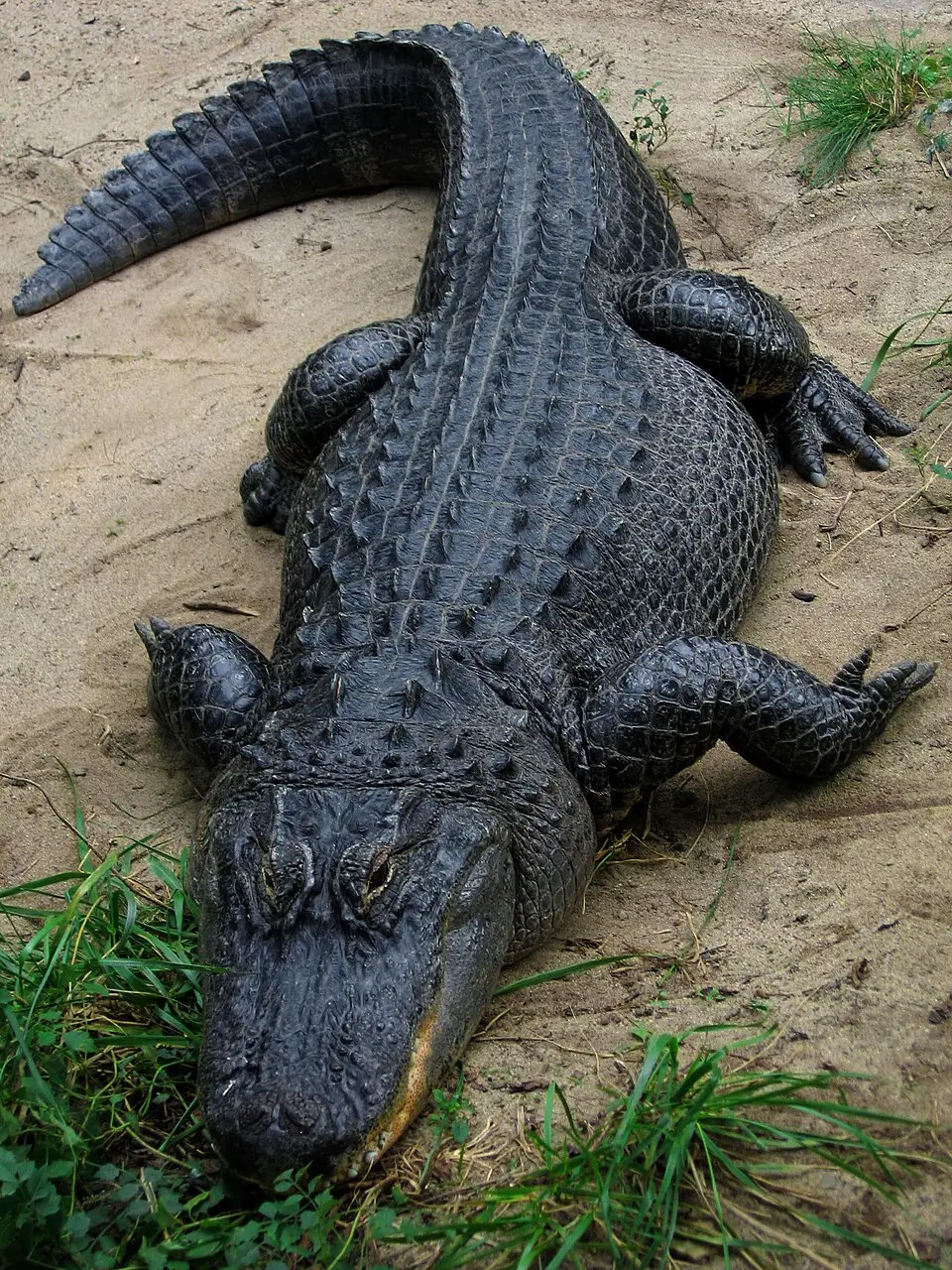
Adult male American alligators are typically larger than females. Males commonly reach lengths of 10 to 15 feet and can weigh several hundred pounds, with exceptionally large individuals recorded even beyond that range. Females are generally smaller, often ranging from 8 to 10 feet in length. The species displays a robust, heavily armored body, covered in osteoderms — bony, scale-like structures embedded in the skin — that give the alligator its characteristic rough, ridged appearance.
The coloration of American alligators tends to be dark olive-brown to black on the dorsal (upper) side, with a pale, cream-colored underbelly. This natural camouflage helps them blend seamlessly into the dark, tannic waters of the swamps and marshes they inhabit. Younger alligators typically display more distinctive yellow banding patterns, which fade as the animals mature.
One of the most remarkable anatomical features of the American alligator is its jaw. The alligator possesses one of the most powerful bites in the animal kingdom, with jaw muscles designed to generate enormous crushing force. This makes the alligator an extraordinarily effective predator capable of taking a wide variety of prey. Interestingly, while the muscles that close the jaw are immensely powerful, the muscles used to open the jaw are relatively weak — a fact that experienced wildlife handlers have long understood.
American alligators are cold-blooded (ectothermic) animals, meaning they rely on external sources of heat to regulate their body temperature. They are commonly seen basking in the sun along the banks of water bodies, absorbing warmth to fuel their metabolism and digestion. During colder months, alligators may enter a dormant state known as "brumation," a reptile equivalent of hibernation, retreating to dens or deeper water to wait out cooler temperatures.
The diet of the American alligator shifts significantly with age. Juveniles tend to feed on insects, small fish, frogs, and other invertebrates, while adults consume fish, turtles, birds, mammals, and occasionally larger prey. As apex predators, adult alligators sit at the very top of the food chain in their ecosystems, playing a critical role in regulating prey populations and maintaining ecological balance.
American alligators reproduce through a fascinating nesting process. Females construct large mound nests made from vegetation, mud, and debris near the water's edge. The heat generated by the decomposition of the plant material in the nest, combined with ambient warmth, incubates the eggs. A typical clutch contains between 20 and 50 eggs. One of the most intriguing aspects of alligator reproduction is temperature-dependent sex determination — the temperature within the nest during incubation largely determines the sex of the hatchlings. Females tend to emerge from cooler nest temperatures, while males develop under warmer conditions.
Female alligators are notably attentive mothers by reptilian standards. They guard the nest throughout the incubation period, respond to the vocalizations of hatching young, and may assist hatchlings in reaching the water. Young alligators often remain in close proximity to their mother for an extended period after hatching, benefiting from her protective presence.
The lifespan of American alligators in the wild is estimated to be between 35 and 50 years on average, though some individuals may live considerably longer under favorable conditions.
Habitat & Range
The American alligator is found exclusively in the southeastern United States, with a natural range extending from North Carolina south through Florida and westward across the Gulf Coast states to eastern Texas. This range encompasses some of the most biologically diverse and ecologically rich environments in North America.
Alligators are semi-aquatic animals and are strongly associated with freshwater environments, though they can also tolerate brackish water conditions. Their preferred habitats include freshwater swamps, marshes, rivers, lakes, ponds, and slow-moving streams. They are commonly found in areas with abundant aquatic vegetation, which provides cover, nesting material, and habitat for the prey species alligators depend on.
In Georgia, the American alligator occupies a significant portion of the state's southern and coastal regions. The Okefenokee Swamp — one of the largest intact freshwater ecosystems in the eastern United States — is perhaps the most famous alligator habitat in Georgia and supports a robust, healthy alligator population. Along Georgia's coast, alligators thrive in the tidal marshes, barrier island estuaries, and inland waterways of the Golden Isles and surrounding coastal plain. Rivers such as the Altamaha, Satilla, and Suwannee provide vital corridors of habitat for the species throughout Georgia's southeastern lowlands.
Alligators are also well known as ecosystem engineers. They excavate shallow depressions in wetland substrates, known as "alligator holes," which retain water during dry periods. These water-filled depressions become critical refuges for fish, turtles, wading birds, and other wildlife during droughts, making alligators an invaluable keystone species within their ecosystems.
Hunting Information
The American alligator has a long and complex relationship with hunting in the southeastern United States. Historically, alligators were hunted extensively for their hides, which were prized in the leather goods industry. This unregulated harvest, combined with widespread habitat loss, drove alligator populations to dangerously low levels by the mid-20th century.
Today, alligator hunting is a regulated activity in several southeastern states, including Georgia, and it is managed carefully by state wildlife agencies to ensure sustainable population levels. Regulated hunting seasons and licensing requirements help wildlife managers balance human use of the resource with long-term conservation goals. In Georgia specifically, the official details of the current alligator hunting season — including specific dates, licensing requirements, and regulatory specifics — are best obtained directly from the Georgia Department of Natural Resources (DNR) Wildlife Resources Division, as regulations can change from season to season.
What is broadly understood is that legal alligator hunting in Georgia is a permitted, licensed activity that takes place during designated seasons and is subject to specific rules regarding methods, zones, and harvest limits. Hunters interested in pursuing alligators in Georgia are strongly encouraged to consult the official Georgia DNR resources for the most accurate and current regulatory information before planning any hunt.
Alligator hunting, where permitted, is considered a challenging and rewarding outdoor pursuit. The experience of pursuing such a prehistoric and powerful animal in the atmospheric landscapes of Georgia's coastal marshes and swamplands is one that many hunters describe as deeply memorable.
Conservation
The conservation story of the American alligator is one of the great success stories in the history of wildlife management in the United States. By the 1960s, decades of commercial hunting and habitat destruction had reduced alligator populations to critically low levels across much of their range. Recognizing the urgency of the situation, the American alligator was listed as an endangered species under precursor legislation to what would become the Endangered Species Act.
Protections put in place during the 1960s and 1970s allowed alligator populations to rebound dramatically. By 1987, the American alligator had recovered to such a degree that it was removed from the endangered species list and reclassified as a species of "least concern" by conservation authorities — a remarkable turnaround that demonstrated the power of science-based wildlife management and protective legislation.
Today, the American alligator is considered a conservation success story, with healthy populations estimated in the millions across the southeastern United States. Continued management by state and federal wildlife agencies, including regulated hunting seasons, habitat protection, and monitoring programs, ensures that the species remains a thriving and vital part of the southeastern landscape.
In Georgia, the alligator's presence is celebrated as an indicator of healthy wetland ecosystems. Conservation organizations, state agencies, and private landowners all play a role in preserving the habitats that alligators — and countless other species — depend on.
Conclusion
The American alligator is, in every sense of the word, a living legend. It is an animal shaped by millions of years of evolution, a survivor of catastrophes that wiped out countless other species, and a creature whose recovery from the brink of extinction stands as a monument to what is possible when people commit to protecting the natural world. In Georgia, where ancient swamps meet Atlantic tidal marshes and everything in between is alive with wildlife, the American alligator reigns as one of the most powerful symbols of the outdoors.
Whether you encounter one basking on a sunny bank in the Okefenokee, glimpse a ripple in a coastal marsh, or pursue one legally during a regulated season, the American alligator demands respect and admiration. It is a reminder that the wild places of Georgia — and of America — are worth protecting, worth celebrating, and worth passing on to the generations that come after us.