Overview
Few waterbirds capture the imagination quite like the American coot (Fulica americana), a distinctive and highly adaptable species that has made itself at home across a vast swath of the North American continent. With its bold black plumage, unmistakable white bill, and surprisingly feisty personality, the American coot is a familiar sight on lakes, ponds, marshes, and reservoirs from coast to coast. Whether you are a birdwatcher, a waterfowl hunter, or simply someone who enjoys spending time near the water, encountering a flock of American coots is always a memorable experience.
Despite often being overshadowed by more glamorous waterfowl species, the American coot deserves recognition as one of the most ecologically interesting and behaviorally complex birds in North America. It occupies a unique biological niche, blending characteristics of both waterfowl and shorebirds while belonging to neither group in a strict taxonomic sense. Understanding this remarkable bird — its biology, behavior, habitat preferences, and role in ecosystems — offers a window into the rich diversity of avian life that thrives in wetland environments across the continent, including the abundant waterways and reservoirs of Georgia.
Biological Traits
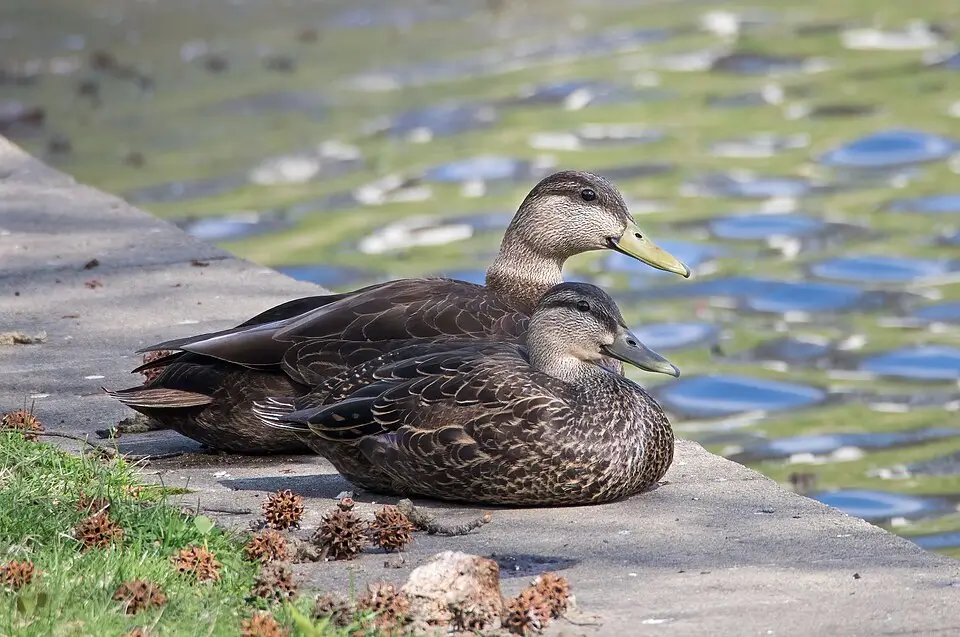
The American coot is a member of the family Rallidae, which includes rails, gallinules, and crakes. While it is frequently grouped with ducks and other waterfowl by casual observers, it is not, in fact, a duck. This distinction becomes clear when you look closely at the bird's physical features, which set it apart in fascinating ways.
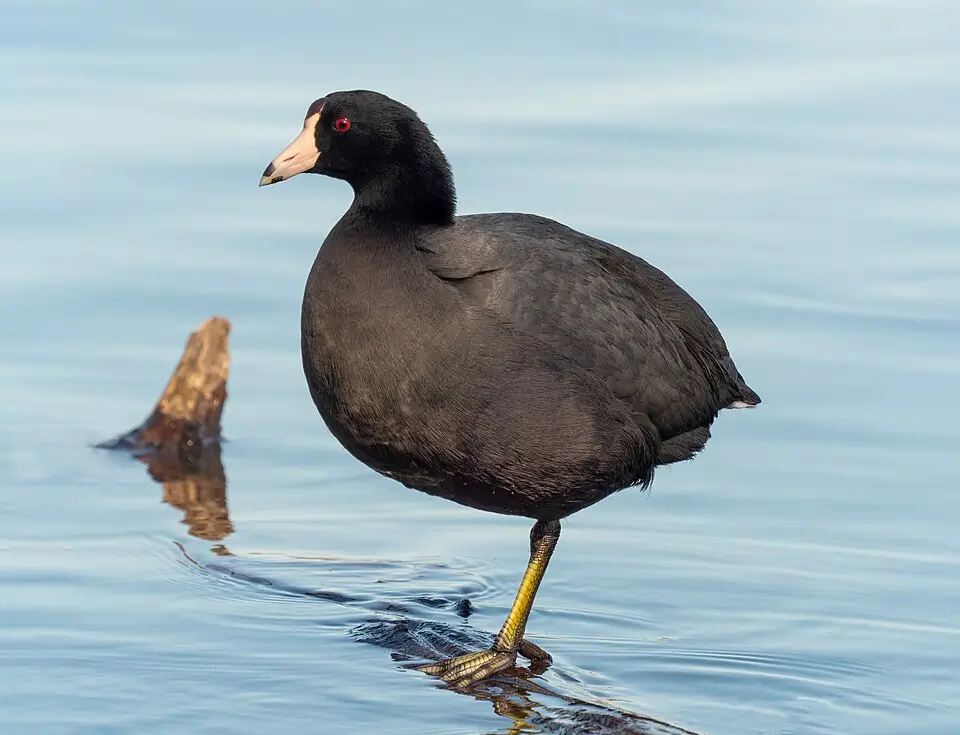
One of the most recognizable features of the American coot is its striking white, chicken-like bill, which is tipped with a dark band near its end. This bill is fronted by a white frontal shield — a fleshy, plate-like structure that extends up onto the forehead. During breeding season, this frontal shield can develop reddish or brownish coloration, serving as a visual signal during courtship and territorial interactions. The overall body plumage is a uniform slate-gray to dark charcoal-black, with white undertail coverts that are occasionally visible when the bird moves. The eyes are a vivid red, adding another striking element to the bird's appearance.
Perhaps the most anatomically unique feature of the American coot is its feet. Unlike ducks, which have fully webbed feet, the coot possesses lobed feet — each toe is lined with broad, scalloped flaps of skin rather than connected by a continuous web. These lobed toes are highly effective for both swimming and walking on soft, muddy substrates, giving the coot remarkable versatility in navigating its wetland environment.
American coots are strong swimmers and are also capable of brief, labored flights. When taking off from the water, they typically require a long running start across the surface before becoming airborne — a behavior that is both entertaining and endearing to observers. In flight, their legs trail behind them noticeably, and their wingbeats are rapid and somewhat mechanical in appearance.
Behaviorally, American coots are known for being gregarious, often forming large flocks — sometimes called "covers" or "rafts" — on open water, particularly during migration and winter. Within these flocks, however, individual birds can be remarkably aggressive, engaging in vigorous chases and disputes over food and territory. They are omnivores, feeding on aquatic vegetation, algae, seeds, invertebrates, and occasionally small fish or the eggs of other birds. Their feeding style is equally versatile — they dive, dabble, graze along shorelines, and even steal food from other birds in a behavior known as kleptoparasitism.
The American coot is also a fascinating subject from a reproductive biology standpoint. Research has revealed that coots are capable of recognizing their own chicks among those of other coots, even rejecting chicks that have been placed in their nests by brood-parasitic females of the same species. This level of parental discrimination is relatively rare among birds and speaks to the complexity of coot social behavior. Chicks are born precocial — covered in down and capable of leaving the nest relatively soon after hatching — and display brightly colored orange-red head feathers and bill tips that fade as the birds mature.
Habitat & Range
The American coot is one of the most widely distributed waterbirds in North America. Its breeding range extends across much of the continent, from southern Canada through the United States and into Central America. During the winter months, large numbers of coots migrate to the southern United States, Mexico, and parts of the Caribbean, where they congregate on lakes, reservoirs, coastal marshes, and estuaries.
American coots favor freshwater habitats above all else, particularly shallow lakes, ponds, and marshes with abundant emergent and submerged aquatic vegetation. They are commonly found in cattail marshes, along the edges of slow-moving rivers, and on agricultural impoundments. Unlike many wetland-dependent species, coots are highly tolerant of human-modified environments and are frequently observed on golf course water features, urban park ponds, and managed waterfowl impoundments.
In Georgia, the American coot is primarily a winter resident, with birds arriving in the fall as northern breeding populations move south in search of open, ice-free water and abundant food resources. Georgia's extensive network of reservoirs, coastal marshes, river floodplains, and managed wildlife areas provides ideal wintering habitat for coots. The state's warm climate and diverse wetland ecosystems make it an important wintering ground for coots throughout the Southeast. Large gatherings of American coots can regularly be observed on major Georgia reservoirs such as Lake Lanier, Lake Oconee, and Clarks Hill Lake, as well as along the coastal marshes of the Golden Isles and the Okefenokee Swamp region.
The Southeastern United States as a whole plays a critical role in supporting wintering coot populations, with Georgia's position along major migratory flyways making it a natural staging and wintering area for birds traveling between northern breeding grounds and southern wintering areas.
Hunting Information
The American coot is classified as a migratory game bird under federal regulations in the United States, managed jointly by the U.S. Fish and Wildlife Service and individual state wildlife agencies. Coots are legal to hunt in many states, including Georgia, and are subject to federally set frameworks that establish season structures and bag limits.
Hunting American coots is a traditional outdoor pursuit that has been practiced across the South for generations. Coot hunting tends to be most productive on large open-water impoundments, reservoirs, and coastal marshes where wintering birds congregate in substantial numbers. Because coots often gather in large, visible rafts on open water, locating birds is generally not difficult — the greater challenge lies in decoying or flushing them into range.
Hunters targeting coots typically use similar equipment to that employed in waterfowl hunting — shotguns loaded with non-toxic shot, as required by federal regulations for all migratory bird hunting in the United States. Decoys, duck calls, and layout or layout boats are sometimes used, though coots are often less decoy-shy than many duck species. Hunting from blinds along shorelines or from boats is common, and many hunters pursue coots as a bonus species alongside more traditional waterfowl such as ducks and geese.
For specific season dates, bag limits, and licensing requirements in Georgia, hunters should consult the Georgia Department of Natural Resources Wildlife Resources Division for the most current regulations, as these details are updated annually and vary from year to year.
Conservation
The American coot is currently listed as a species of Least Concern by the International Union for Conservation of Nature (IUCN), reflecting its broad range, large global population, and adaptability to a wide variety of habitat types, including human-modified environments. Population monitoring conducted through programs such as the North American Breeding Bird Survey and the Christmas Bird Count suggests that coot populations remain robust across much of their range.
The greatest long-term threat to American coot populations, as with most wetland-dependent species, is habitat loss and degradation. The drainage and conversion of wetlands for agriculture and urban development has reduced the availability of suitable breeding and wintering habitat over the past century. However, ongoing wetland conservation and restoration efforts — including those carried out by state and federal wildlife agencies, conservation organizations, and private landowners — continue to benefit coot populations alongside those of countless other wetland species.
In Georgia, wetland conservation programs administered by the Georgia Department of Natural Resources, the U.S. Fish and Wildlife Service, and organizations such as Ducks Unlimited have helped to protect and restore critical wetland habitats that support wintering coot populations. The state's network of Wildlife Management Areas, National Wildlife Refuges, and other protected lands provides important sanctuaries for migratory birds including the American coot.
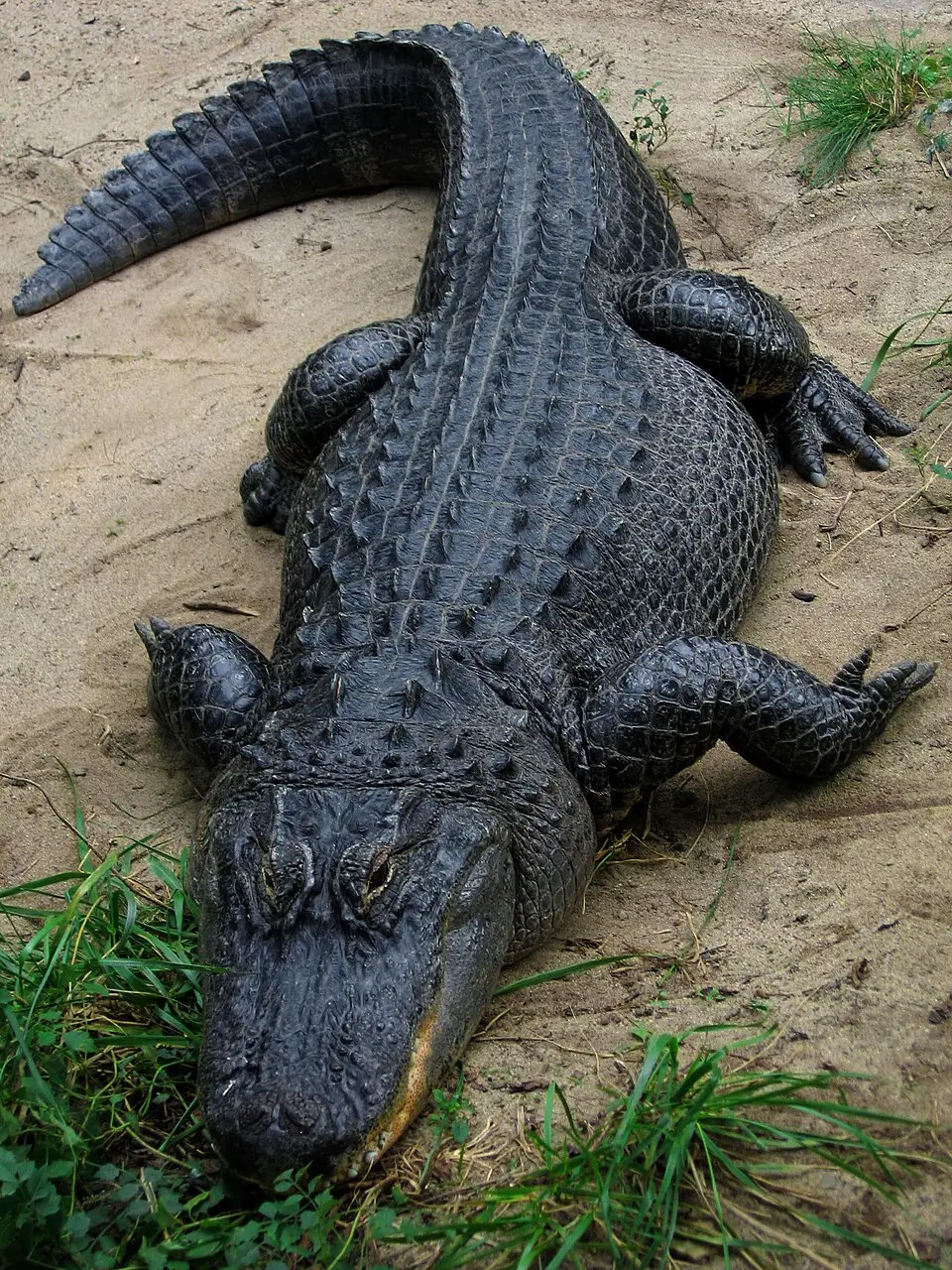
From a broader ecological perspective, American coots play a meaningful role in wetland ecosystems as consumers of aquatic vegetation and invertebrates, contributors to nutrient cycling, and as prey for larger predators including raptors, alligators, and large predatory fish. Their presence in a wetland is often an indicator of healthy, productive habitat conditions.
Conclusion
The American coot is a bird that rewards closer attention. Often overlooked in favor of more colorful or iconic waterfowl species, this tenacious and behaviorally sophisticated bird offers a wealth of interest to hunters, naturalists, and wildlife enthusiasts alike. From its unique lobed feet and aggressive social dynamics to its important role in wetland ecosystems and its status as a traditional game species across the South, the American coot stands as a testament to the richness of North America's avian biodiversity. For residents and visitors to Georgia, the sight of a large raft of coots riding the surface of a winter reservoir is one of the season's most characteristic and rewarding wildlife spectacles.