Overview
Few animals have shaped the North American landscape quite like the beaver. Known scientifically as Castor canadensis, the North American beaver is the largest rodent on the continent and one of the most ecologically influential mammals in the world. From the boreal forests of Canada to the wetlands of the American Southeast, this industrious creature has earned a well-deserved reputation as nature's own civil engineer — building dams, flooding valleys, and creating entire ecosystems where none existed before.
In a state like Georgia, where rivers, streams, and bottomland hardwood forests are plentiful, the North American beaver plays a particularly significant role in shaping the landscape. Georgia's diverse terrain, ranging from the Blue Ridge Mountains in the north to the coastal plains in the south, provides a wide variety of habitat types that beavers can call home. Whether you're a wildlife enthusiast, a hunter, or simply someone who appreciates the natural world, understanding the biology and behavior of Castor canadensis offers a fascinating window into the interconnectedness of wild ecosystems.
This article explores the biology, habitat, ecological importance, hunting traditions, and conservation status of the North American beaver, with a focus on what makes this remarkable animal so special — and so important — to wild places across the continent and right here in the state of Georgia.
Biological Traits
The North American beaver is a semi-aquatic mammal belonging to the family Castoridae, one of the oldest rodent families in the fossil record. As the largest rodent in North America, adult beavers are impressively sized animals. They are well-built for their aquatic lifestyle, with several distinctive physical and behavioral adaptations that set them apart from virtually every other mammal on the continent.
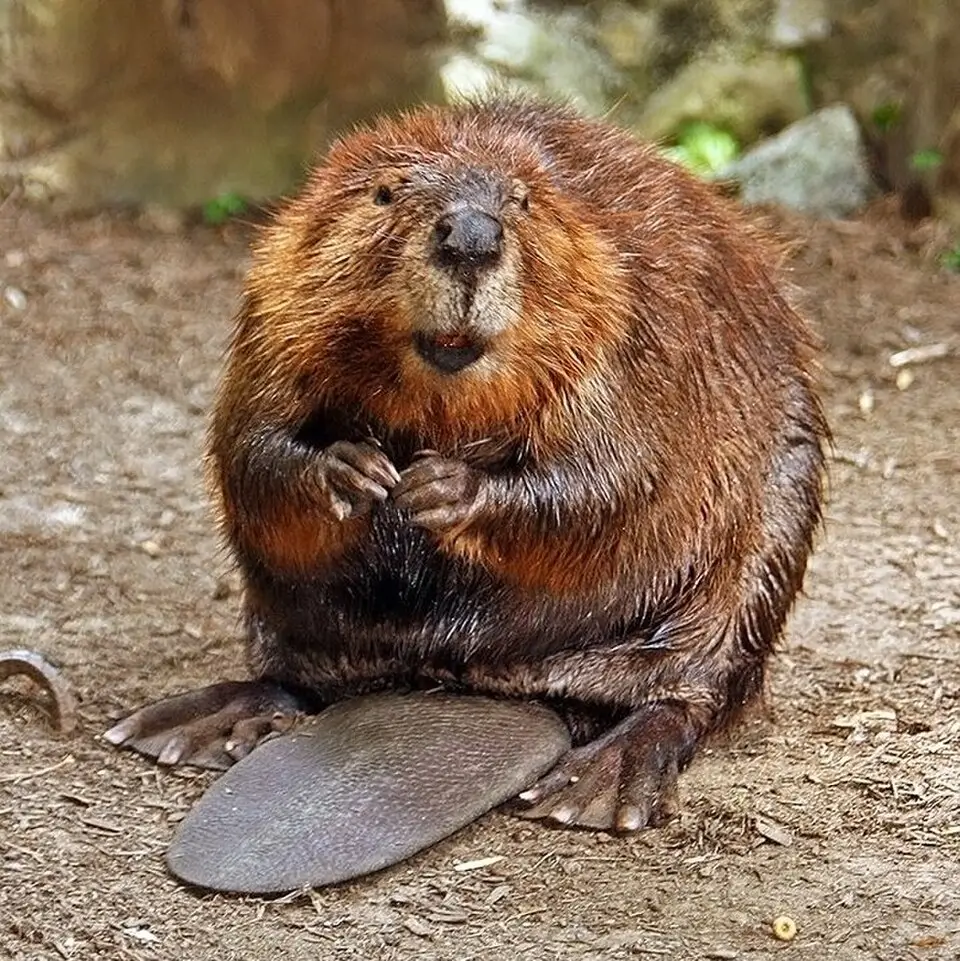
One of the beaver's most recognizable features is its broad, flat, paddle-shaped tail, which serves multiple purposes. It acts as a rudder while the animal swims, functions as a prop when the beaver stands upright on land, and is famously used to slap the surface of the water as an alarm signal when danger approaches. The tail also serves as a fat storage organ, providing energy reserves during leaner months.
Beavers possess large, prominent incisor teeth that are orange or reddish-brown in color due to iron-rich enamel — a natural hardener that keeps these powerful tools sharp and strong. These incisors never stop growing throughout the animal's life, and beavers must gnaw constantly to keep them worn down. This biological necessity is precisely what drives one of the beaver's most well-known behaviors: felling trees.
Their hind feet are webbed for efficient swimming, while their front paws are dexterous and nimble, allowing them to manipulate mud, sticks, and other building materials with surprising precision. A beaver's coat consists of two layers — a dense, waterproof undercoat and a longer outer coat of guard hairs — which together provide exceptional insulation in cold water and harsh winter conditions.
Beavers are herbivores, feeding on the bark, leaves, twigs, and roots of a wide variety of trees and aquatic plants. Willows, alders, birches, maples, and aspens are among their preferred food sources. During the warmer months, beavers actively cache food underwater near their lodges, creating underwater pantries that sustain them through the winter when ice may limit their access to the surface world.
These animals are also famously monogamous, typically mating for life. They live in family units called colonies, which generally consist of an adult breeding pair and their offspring from the current and previous year. Young beavers, called kits, are born in spring and remain with their family group for up to two years before dispersing to establish their own territories.
Habitat & Range
Castor canadensis is native to North America and boasts one of the widest ranges of any mammal on the continent. Historically, beavers were found across virtually the entire continent — from the tundra streams of northern Canada and Alaska all the way south into the northern regions of Mexico. Today, following population recovery efforts that began in the 20th century, beavers have re-established themselves across much of their historic range.
Beavers are closely tied to freshwater environments. They prefer slow-moving or still water, including streams, rivers, lakes, ponds, and marshes. Their extraordinary dam-building behavior allows them to modify their environment dramatically — creating ponds from small streams — which in turn generates wetland habitat used by dozens of other species including waterfowl, fish, amphibians, and songbirds.
In Georgia, beavers are found throughout the state, taking advantage of the abundant rivers, creek systems, and bottomland areas that crisscross the landscape. From the Piedmont region's winding streams to the slow blackwater rivers of the coastal plain, Georgia offers excellent beaver habitat. Their presence in the state's waterways is a testament to both their adaptability and the quality of Georgia's natural resources.
Beaver activity is most easily identified by the telltale signs they leave behind: gnawed tree stumps that taper to a characteristic point, felled trees, muddy bank slides, and of course, their iconic dams and lodges. Lodges are dome-shaped structures built from sticks, mud, and vegetation, with underwater entrances that protect the beaver family from predators. Dams, meanwhile, are constructed to raise water levels and create the deep, still ponds that beavers require for safety and food storage.
Hunting Information
The North American beaver has been hunted and trapped by humans for thousands of years. Indigenous peoples across North America relied on beavers for meat, fur, and materials long before European contact. During the colonial era, the demand for beaver pelts in European markets drove one of the most significant commercial fur trades in history — shaping the economic, political, and geographic development of North America in profound ways.
Today, beaver trapping and hunting remain legal in many states, including Georgia, where beavers are managed as a furbearer species. Trapping is the most traditional and widely practiced method of harvest, and various types of traps — including body-gripping traps, cage traps, and foot-hold traps — are used by licensed trappers. In addition to their pelts, beaver meat is considered a flavorful and nutritious wild game food by many hunters and trappers.
For those interested in pursuing beavers in Georgia, it is strongly recommended to consult the Georgia Department of Natural Resources (DNR) Wildlife Resources Division directly for the most current and accurate information on season dates, licensing requirements, bag limits, and legal methods of take. Regulations can change from year to year, and the official Georgia DNR website is always the authoritative source for up-to-date hunting and trapping rules.
Beyond the traditions of hunting and trapping, beavers are also managed in many areas through nuisance wildlife control programs. Because their dam-building activities can sometimes flood agricultural fields, timber operations, roads, or residential areas, wildlife managers and landowners sometimes work together to manage local beaver populations. Licensed wildlife control operators in Georgia are trained to handle these situations in a responsible and humane manner.
Conservation
The story of the North American beaver is, in many ways, one of the great conservation success stories of the modern era. By the early 20th century, unregulated commercial trapping had decimated beaver populations across much of their range. In some regions, beavers had been completely extirpated. Thanks to legal protections, regulated trapping seasons, and active reintroduction programs, beaver populations have rebounded dramatically across the continent.
Today, Castor canadensis is listed as a species of Least Concern by the International Union for Conservation of Nature (IUCN), reflecting the success of these recovery efforts. Healthy beaver populations now exist from coast to coast and across a wide latitudinal range.
Beyond their own conservation story, beavers are increasingly recognized by ecologists and conservation biologists as a keystone species — meaning their presence or absence has an outsized effect on the broader ecosystem. Beaver ponds raise local water tables, reduce erosion, filter sediment and pollutants from waterways, and create wetland habitat that supports extraordinary biodiversity. In an era of increasing concern about water quality, drought, and habitat loss, the beaver's role as a natural water manager has never seemed more relevant.
In Georgia and across the Southeast, ongoing research and wildlife management programs continue to monitor beaver populations and ensure that these remarkable animals remain a thriving part of the natural landscape for generations to come.