Overview
Few animals embody the spirit of North American wetlands quite like the muskrat (Ondatra zibethicus). This semi-aquatic rodent has played an enormous role in the ecological, cultural, and economic history of the continent. From the vast marshes of the Canadian prairies to the tidal wetlands of the Atlantic Coast, the muskrat has made its home in an impressive range of aquatic environments. In states like Georgia, where wetlands, rivers, and coastal marshes define much of the landscape, the muskrat finds suitable habitat and represents an important part of the region's natural heritage.
Though often overlooked in favor of more glamorous wildlife species, the muskrat is a fascinating creature deserving of greater attention. It is a keystone species in many wetland ecosystems, a historically prized furbearer, and a remarkably adaptable mammal that has persisted through centuries of habitat change. Whether you are a hunter, a trapper, a naturalist, or simply an outdoor enthusiast curious about the wildlife around you, understanding the muskrat offers a window into the dynamic world of wetland ecology.
Biological Traits
The muskrat (Ondatra zibethicus) is the sole member of the genus Ondatra and belongs to the family Cricetidae, which also includes voles, lemmings, and hamsters. Despite its common name and superficial resemblance to the rat, the muskrat is not closely related to true rats or mice. It is, in fact, the largest member of the subfamily Arvicolinae found in North America.
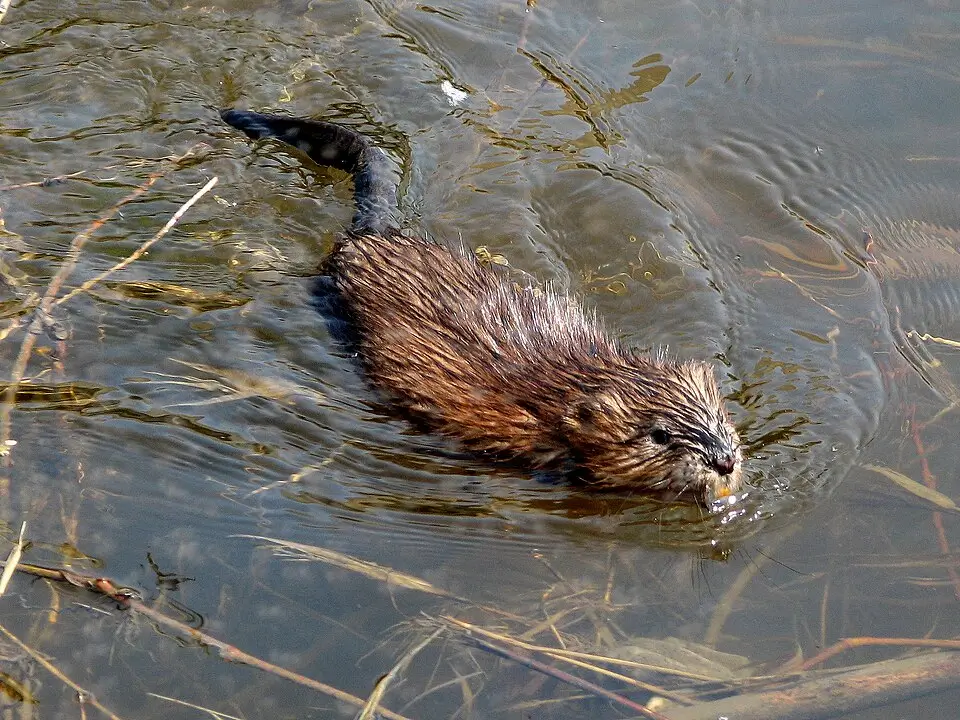
Adults are medium-sized rodents, typically weighing between 1.5 and 4 pounds, with a body length ranging from roughly 16 to 25 inches including the tail. The tail itself is a distinctive feature — long, slightly flattened laterally, and scaly in appearance, it functions as a rudder and propulsion aid during swimming. The muskrat's hind feet are partially webbed, further adapting it for life in the water, while its front feet are smaller and dexterous, used for handling food and constructing shelters.
The muskrat's fur is dense and waterproof, consisting of a soft, thick underfur covered by longer, glossy guard hairs. The coloration typically ranges from dark chestnut brown on the back and sides to a lighter, grayish or silvery hue on the belly. This dual-layered coat provides excellent insulation in cold water and contributed significantly to the muskrat's historic importance in the North American fur trade.
The animal's common name derives from a pair of musk glands located near the base of the tail. These glands produce a musky-scented secretion used primarily for communication — marking territories, signaling reproductive readiness, and identifying individuals within a population. The musky odor is especially noticeable during the breeding season.
Muskrats are primarily herbivorous, feeding on a wide variety of aquatic and semi-aquatic vegetation. Cattails, bulrushes, water lilies, pondweeds, and various sedges form the bulk of their diet. However, muskrats are opportunistic feeders and will supplement their plant-based diet with animal matter such as freshwater clams, mussels, crayfish, frogs, and small fish when plant material is scarce or nutritionally insufficient.
Reproduction in muskrats is prolific. A single female can produce two to three litters per year in warmer climates, with each litter containing anywhere from four to eight young. The gestation period is approximately 25 to 30 days. Young muskrats are born blind and helpless but develop quickly, becoming independent within about a month. This high reproductive rate allows muskrat populations to recover swiftly from periods of population decline, whether caused by trapping pressure, drought, flooding, or predation.
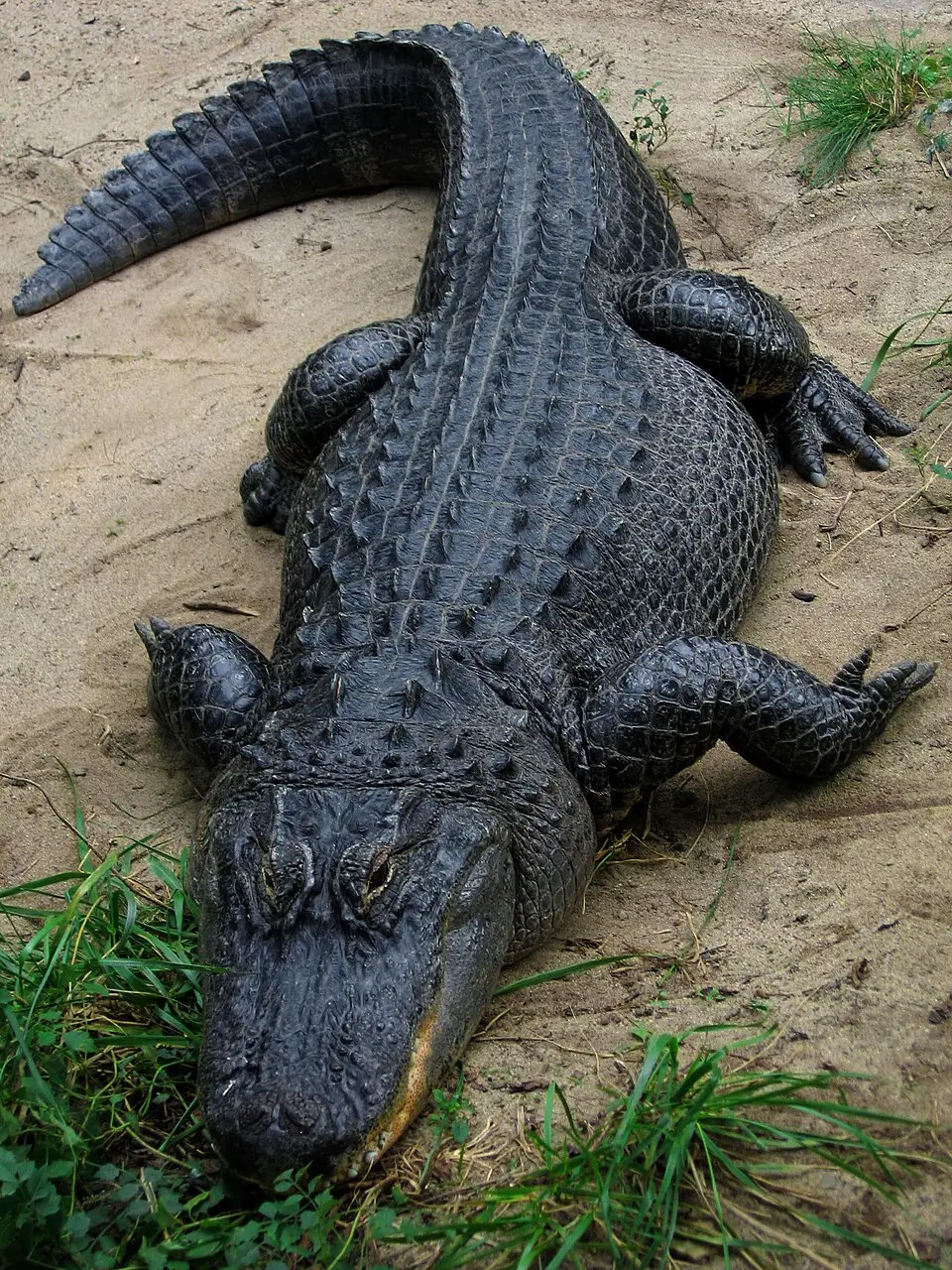
Predators of the muskrat are numerous and include mink, river otters, snapping turtles, large raptors such as great horned owls and red-tailed hawks, foxes, raccoons, and alligators in southern states. In Georgia specifically, the American alligator represents a notable predator within shared wetland habitats.
Muskrats are most active during the early morning and late evening hours, making them crepuscular animals, though they may be observed at any time of day or night depending on environmental conditions and seasonal pressures.
Habitat & Range
The muskrat enjoys one of the broadest distributions of any semi-aquatic mammal in North America. Its range extends from Alaska and northern Canada southward throughout most of the contiguous United States, with the exception of portions of Florida and parts of the arid Southwest. The species has also been introduced to Europe and Asia, where it has established significant feral populations.
Muskrats require permanent or semi-permanent bodies of water with adequate emergent and submerged aquatic vegetation. Ideal habitats include freshwater marshes, swamps, ponds, slow-moving streams and rivers, drainage ditches, reservoirs, and brackish coastal marshes. The depth of the water is important — muskrats generally prefer shallow water, typically one to two feet deep, where they can access food resources and construct their characteristic shelters without expending excessive energy.
Two primary types of dwelling structures are associated with muskrats. In open marshy areas with abundant vegetation such as cattails, muskrats construct lodge-like mounds built from plant material heaped above the waterline, with underwater entrances accessed by swimming. In areas with firmer banks along streams and ponds, muskrats prefer to excavate burrows into the bank, with tunnel entrances situated below the waterline for protection from predators and cold temperatures.
In Georgia, muskrats can be found throughout the state's diverse wetland environments. The coastal plain region of southern Georgia, with its abundant freshwater and brackish marshes, rivers, and swamps, provides particularly suitable habitat. The Okefenokee Swamp — one of the largest intact freshwater ecosystems in the United States — and the Altamaha River basin represent prime muskrat country. Inland wetlands across the Piedmont and mountain regions of northern Georgia also support muskrat populations wherever adequate water and vegetation are present.
Georgia's mild climate is advantageous for muskrats. Unlike populations in northern states and Canada, muskrats in Georgia do not need to contend with ice-covered waterways that can severely limit food access during winter months. This means Georgia's muskrat populations can remain active year-round, and females may produce more litters annually than their northern counterparts.
Hunting and Trapping Information
The muskrat has a long and storied history as a furbearer species in North America. The muskrat pelt was among the most traded furs during the height of the North American fur trade, and muskrat trapping continues to be a traditional outdoor pursuit in many states and provinces today. In addition to trapping for fur, muskrat meat has historically been consumed in various regions of North America, where it is considered a flavorful wild game food.
Hunters and trappers pursuing muskrats typically use steel leg-hold traps, body-gripping traps (such as Conibear-style traps), and live traps set at or near water's edge, burrow entrances, or feeding platforms. The muskrat's relatively predictable habits — using established runways through vegetation, feeding stations, and regular travel routes — make it an accessible quarry for experienced trappers.
For those interested in pursuing muskrats in Georgia, it is essential to consult the Georgia Department of Natural Resources (DNR) Wildlife Resources Division for current regulations, season dates, and licensing requirements. Trapping regulations can vary by season and method, and staying compliant with state law ensures the continued sustainability of muskrat populations and the sport of trapping. As specific season dates and licensing requirements were not available in the source data for this article, prospective hunters and trappers should visit the official Georgia DNR website or contact their local wildlife office for the most current and accurate information.
Muskrat fur, while not as valuable on the commercial market as it once was during the peak of the North American fur trade, still holds value among fur buyers, craft enthusiasts, and traditional artisans. The silky, dense underfur is warm and durable, with a natural luster that has kept it desirable for centuries.
Conservation
From a conservation standpoint, the muskrat (Ondatra zibethicus) is currently classified as a species of least concern by the International Union for Conservation of Nature (IUCN). Its broad range, high reproductive rate, and adaptability to a wide variety of wetland habitats have helped it maintain stable populations across much of North America.
That said, muskrat populations are not without pressures. Wetland drainage and degradation remain the most significant long-term threats to muskrat numbers. When wetlands are drained for agricultural use, urban development, or water management purposes, muskrat habitat is lost. Conversely, fluctuations in water levels caused by drought or flood cycles can also cause dramatic short-term swings in local muskrat populations.
The muskrat actually plays an important ecological role in maintaining wetland health. By feeding heavily on dense stands of cattails and other emergent vegetation, muskrats create open water areas within marshes that benefit a wide variety of other wildlife, including nesting waterfowl, wading birds, and fish. This "eat-outs" phenomenon, where muskrats consume large areas of marsh vegetation, is considered an important natural disturbance that promotes wetland biodiversity.
In Georgia, conservation of the state's extensive wetland systems benefits the muskrat directly. State and federal wetland protection programs, wildlife management areas, and conservation easements all contribute to maintaining the habitat upon which muskrats and countless other species depend.
Regulated hunting and trapping, managed through science-based harvest regulations, also plays a role in muskrat conservation by providing funding for wildlife management programs through license fees and excise taxes, as well as engaging outdoor communities in the stewardship of wetland resources.