Overview
Few birds capture the imagination of hunters, wildlife enthusiasts, and casual observers quite like the Mallard (Anas platyrhynchos). Whether you've spotted one gliding across a quiet pond in a city park or watched a flock splash down into a flooded cornfield at dawn, the Mallard is a bird that needs little introduction. Widely regarded as the most recognized duck in the Northern Hemisphere, this species has earned its place as both a cultural icon and a cornerstone of waterfowl hunting traditions across North America — including in the great state of Georgia.
From the vibrant emerald-green head of a drake in full breeding plumage to the familiar "quack" that most people instinctively associate with all ducks, the Mallard (Anas platyrhynchos) is a bird of remarkable adaptability, resilience, and ecological importance. For hunters, birders, and conservationists alike, understanding this species at a deeper level enriches every encounter with it — whether that's at a boat ramp, in a flooded timber stand, or along the marshy edges of Georgia's many rivers and reservoirs.
This article explores the biology, habitat, hunting traditions, and conservation status of the Mallard, with particular attention to what Georgia sportsmen and wildlife enthusiasts can expect when pursuing or observing this magnificent bird.
Biological Traits
The Mallard belongs to the family Anatidae and the genus Anas, placing it within the "dabbling duck" group — a category of waterfowl that feeds primarily by tipping forward in shallow water rather than diving beneath the surface. The species name platyrhynchos comes from the Greek words for "flat-billed," a nod to one of its most defining physical features.
Physical Appearance
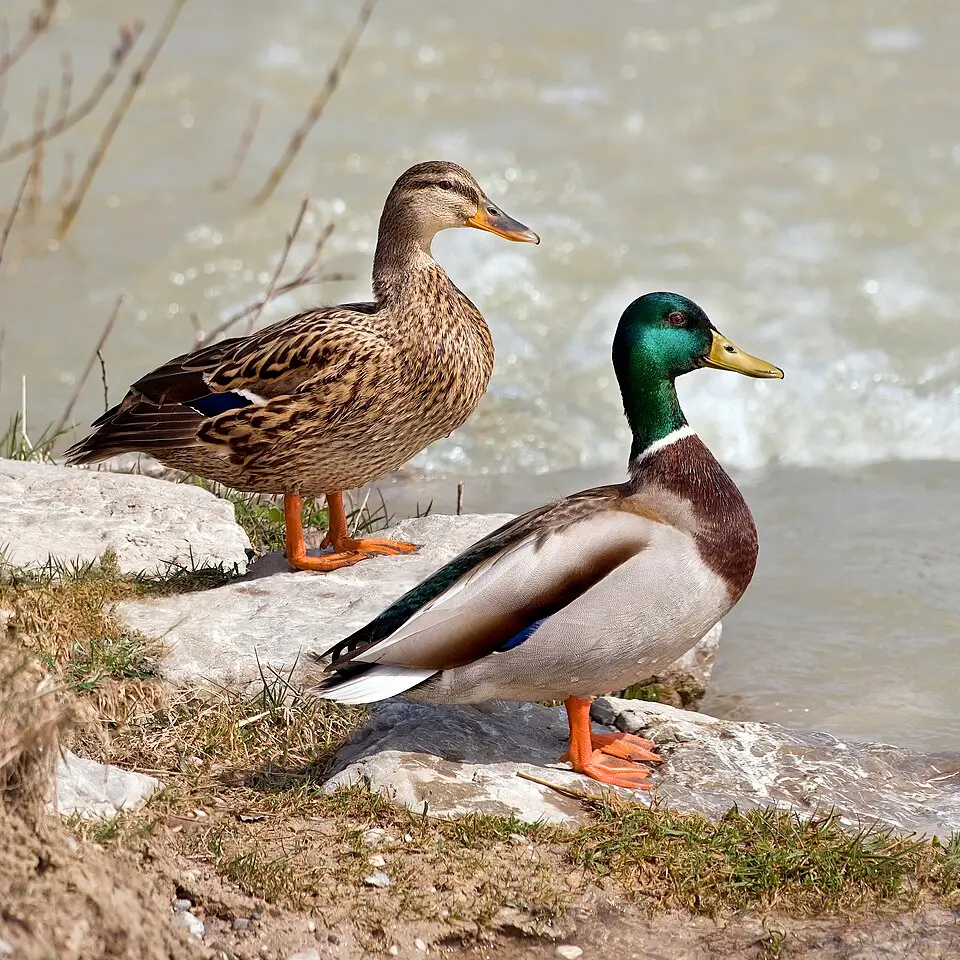
One of the most striking things about Mallards is the dramatic difference in appearance between males (drakes) and females (hens). During the breeding season, drake Mallards sport a glossy, iridescent green head, a white neck ring, a rich chestnut-brown breast, and a pale gray body. Their bill is typically yellow or olive-green, and their tail features curled black feathers — a distinguishing characteristic unique to the species. During the late summer molt, drakes enter what is called "eclipse plumage," during which they temporarily resemble females more closely.
Hen Mallards, in contrast, wear a mottled brown plumage that provides excellent camouflage while nesting and brooding. Their bill is orange with dark markings. Both sexes display a distinctive iridescent blue-purple speculum — a patch of color on the secondary wing feathers — bordered by white, which is visible both in flight and at rest.
Adult Mallards are medium-to-large dabbling ducks. They are robust birds built for life on the water and can take off almost vertically from the surface, a valuable trait for navigating dense marsh vegetation.
Behavior and Diet
Mallards are highly opportunistic omnivores. Their diet includes aquatic vegetation, seeds, grains, insects, crustaceans, and small amphibians. This dietary flexibility is one of the key reasons why Mallards thrive in such a wide range of environments. In agricultural landscapes, Mallards are known to feed heavily on leftover corn, rice, soybeans, and other crops — a behavior that brings them into close contact with hunters and farmers alike.
Mallards are also highly vocal birds. Hens produce the classic loud, descending "quack" that most people associate with ducks, while drakes produce a softer, raspier call. Hunters have long capitalized on these vocalizations, using calls to mimic hen Mallards and draw birds within range.
Mallards form pair bonds in the fall and winter, and nesting typically begins in early spring. Hens lay clutches of 8 to 13 eggs on average and incubate them for approximately 28 days. Ducklings are precocial, meaning they are mobile and capable of feeding themselves shortly after hatching, though the hen remains attentive for several weeks.
Hybridization
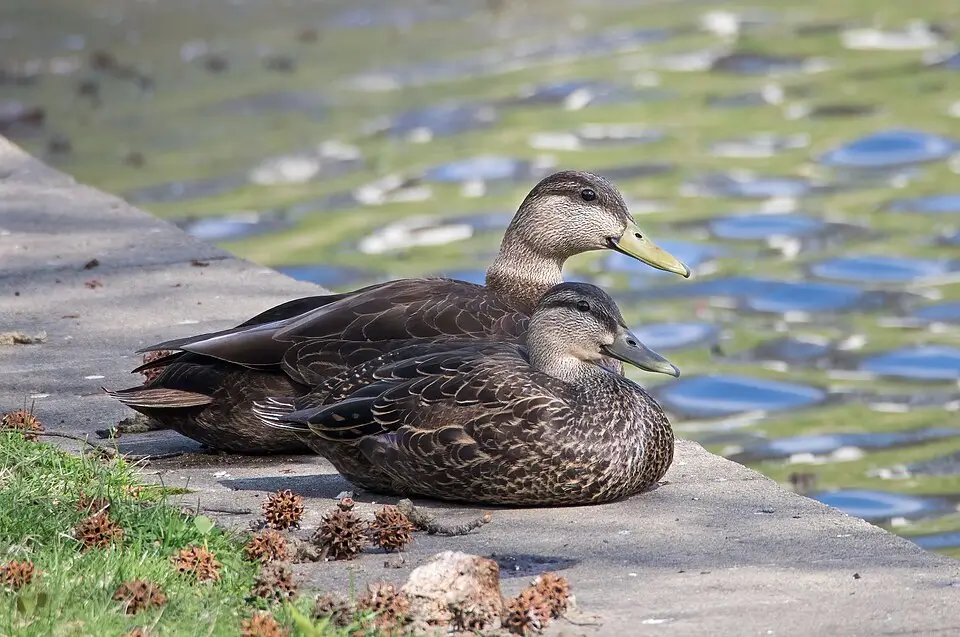
One biological note worth mentioning is that Mallards are prolific hybridizers. They are known to interbreed with numerous other duck species, including American Black Ducks and domesticated ducks. This tendency has raised some conservation concerns in certain regions, particularly regarding the genetic integrity of closely related species.
Habitat & Range
The Mallard has one of the widest distributions of any waterfowl species in the world. It breeds across much of the Northern Hemisphere, including North America, Europe, Asia, and parts of North Africa. In North America, breeding populations are concentrated in the Prairie Pothole Region of the United States and Canada — a landscape of shallow wetlands across the Great Plains that serves as the continent's most productive duck-nesting habitat.
During migration and winter, Mallards spread broadly across the United States and Mexico. Their range encompasses virtually every type of wetland habitat imaginable: natural marshes, rivers, lakes, farm ponds, flooded agricultural fields, urban park ponds, estuaries, and tidal flats.
Georgia and the Southeastern United States
Georgia, situated in the heart of the Southeastern United States, lies along important migration corridors and serves as a wintering ground for Mallards moving south from northern breeding areas. The state's diverse geography — encompassing the Blue Ridge Mountains in the north, the Piedmont plateau in the central region, and the coastal plain and barrier islands to the south and east — provides a mosaic of wetland habitats that attract waterfowl throughout the fall and winter months.
Georgia's river systems, including the Savannah, Altamaha, Ogeechee, Chattahoochee, and Flint rivers, along with their associated floodplains, oxbow lakes, and swamp forests, provide prime Mallard habitat. Agricultural areas in the southern part of the state, where rice, corn, and other grain crops are grown, can be particularly attractive to wintering Mallards. The state's many reservoirs, wildlife management areas, and managed wetlands also play important roles in supporting waterfowl populations.
Hunting Information
The Mallard is the most sought-after duck species by waterfowl hunters across North America, and Georgia is no exception. Hunting Mallards is a tradition that connects generations of sportsmen to the land, the water, and the rhythms of the natural world.
General Hunting Traditions and Methods
Mallard hunting typically takes place in the early morning hours, when ducks move from roosting areas to feeding areas at first light. Hunters set up in blinds or natural cover along the edges of wetlands, flooded fields, or timber and use a combination of decoys and calls to attract birds within range.
Decoy spreads for Mallards can range from a handful of blocks on a small pond to dozens of decoys arranged in complex patterns on larger water. Drake and hen Mallard decoys are commonly used, and spinning-wing decoys — which mimic the motion of landing ducks — have become a popular addition to many spreads.
Duck calling is both an art and a science. Skilled callers can replicate the hen Mallard's greeting call, feeding chuckle, and lonesome hen call to entice circling birds to commit to the decoys. Calling competitions are held across the country, and many of the most celebrated duck callers in history have come from the Mississippi Flyway and the South.
Georgia Hunting Regulations
Specific season dates, bag limits, and licensing requirements for Mallard hunting in Georgia are established annually by the Georgia Department of Natural Resources (DNR) in coordination with the U.S. Fish & Wildlife Service. These regulations are subject to change each year based on population surveys and habitat assessments. Hunters are strongly encouraged to consult the official Georgia DNR website or the current Georgia Waterfowl Hunting Regulations pamphlet for the most up-to-date and accurate information before heading into the field.
As with all migratory bird hunting in the United States, hunters pursuing Mallards in Georgia are required to possess a valid state hunting license, a state waterfowl stamp, and a federal Duck Stamp. The federal Duck Stamp program, established in 1934, has raised hundreds of millions of dollars for wetland conservation and is one of the most successful conservation funding mechanisms in American history.
Flyways and Harvest
Georgia falls within the Atlantic Flyway, one of four major migratory bird corridors in North America. Waterfowl management along the Atlantic Flyway is coordinated through the Atlantic Flyway Council, which works with state and federal agencies to monitor populations and set sustainable harvest levels.
Conservation
The Mallard is currently listed as a species of "Least Concern" by the International Union for Conservation of Nature (IUCN), a reflection of its broad range, large global population, and strong adaptability to human-modified landscapes. North American Mallard populations are monitored annually through the Waterfowl Breeding Population and Habitat Survey, a collaborative effort between the U.S. Fish & Wildlife Service and the Canadian Wildlife Service.
Waterfowl hunters have long been among the most active contributors to Mallard conservation. Organizations such as Ducks Unlimited — founded in 1937 — have conserved and restored millions of acres of wetland habitat across North America, directly benefiting Mallard populations. Through the purchase of federal Duck Stamps and participation in habitat conservation programs, hunters fund the very ecosystems that sustain the species they pursue.
In Georgia, wetland conservation efforts led by state and federal agencies, as well as private landowners and conservation organizations, help ensure that wintering and migrating Mallards have the habitat they need. Programs that incentivize the restoration of bottomland hardwoods, management of moist-soil units on wildlife management areas, and the maintenance of agricultural lands with waterfowl in mind all contribute to healthy Mallard populations in the state.
The story of the Mallard is, in many ways, a conservation success story — a testament to what science-based wildlife management and the efforts of engaged sportsmen can achieve when working together for the long-term health of wild populations.
Conclusion
The Mallard (Anas platyrhynchos) is far more than just a common duck. It is a biological marvel, a conservation symbol, and a hunting tradition all wrapped into one species. For Georgia hunters who rise before dawn to set out decoys on a cold winter morning, or for the wildlife enthusiast who pauses to watch a pair of Mallards glide across a quiet backwater lake, this bird represents something enduring about the relationship between people and the natural world.
Understanding the Mallard's biology, appreciating its remarkable adaptability, supporting the conservation efforts that sustain it, and participating in the regulated hunting traditions that fund its habitat — these are all ways of honoring a species that has enriched human life for centuries.