Overview
Few animals embody the spirit of the American woodland quite like the fox squirrel. Bold, striking, and surprisingly large compared to its more common cousins, the fox squirrel (Sciurus niger) is a creature that commands attention wherever it roams. Whether you are a seasoned hunter, a dedicated wildlife watcher, or simply someone who enjoys a quiet morning walk through the Georgia pines, encountering a fox squirrel is always a memorable experience. These animals are the largest tree squirrels native to North America, and their presence in Georgia's diverse landscapes speaks to the ecological richness of the Peach State.
Georgia, situated in the Southeastern United States, offers a remarkable blend of habitats — from the Appalachian foothills in the north to the longleaf pine savannas and coastal flatwoods in the south. This geographic and ecological diversity makes the state an outstanding home for fox squirrels, a species that has roamed these lands long before European settlement. Understanding the fox squirrel — its biology, its habits, its habitat needs, and its relationship with hunters and conservationists — is a rewarding endeavor for anyone who spends time in Georgia's great outdoors.
This article draws on information from Wikipedia's coverage of Sciurus niger as well as broadly accepted biological knowledge to paint a full picture of this fascinating and beloved animal.
Biological Traits
The fox squirrel (Sciurus niger) is classified within the family Sciuridae, which encompasses squirrels, chipmunks, marmots, and prairie dogs. The genus Sciurus includes many of the tree squirrels found across North America and Eurasia, but the fox squirrel stands apart from its relatives in several notable ways.
Size and Appearance
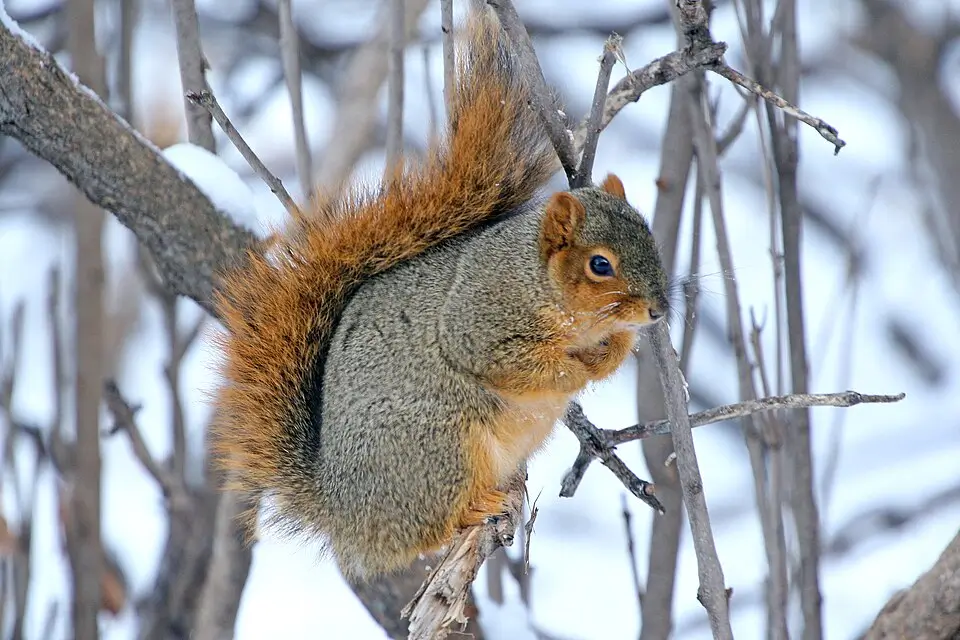
The fox squirrel is the largest tree squirrel in North America. Adults typically have a robust, stocky build that distinguishes them at a glance from the smaller and more nimble eastern gray squirrel (Sciurus carolinensis), with which they often share territory. Their size alone makes them a striking sight when spotted moving through the forest canopy or foraging on the ground.
One of the most fascinating aspects of fox squirrel biology is the remarkable variation in their coat coloration. Unlike many wildlife species that display consistent coloration across their range, fox squirrels come in a wide array of color morphs. Individuals may display combinations of rusty orange, tawny brown, black, and white. In the southeastern United States, including Georgia, it is not uncommon to encounter fox squirrels with distinctly dark or even predominantly black pelage, sometimes with contrasting white facial markings around the nose and ears. This variation in color has historically led to some confusion among observers unfamiliar with the species.
The fox squirrel's tail is long and bushy — a hallmark of tree squirrels — and often displays the same warm, fox-like orange coloring that gives the species its common name. Their strong, curved claws are well-adapted for gripping tree bark, and their powerful hind legs make them capable of impressive leaps between branches.
Behavior and Diet
Fox squirrels are diurnal animals, meaning they are most active during daylight hours, particularly in the early morning and late afternoon. They are notably less frantic and erratic in their movements compared to gray squirrels, often moving at a more deliberate, unhurried pace — a behavioral trait that experienced hunters and wildlife observers frequently note and appreciate.
Like other members of the squirrel family, fox squirrels are scatter hoarders. They cache food — primarily nuts, seeds, and fungi — in numerous small locations spread across their home range. This food-storing behavior plays an important ecological role, as cached items that are never retrieved can germinate and contribute to forest regeneration. In this way, fox squirrels act as unintentional but effective seed dispersers, quietly helping to shape the forests they inhabit.
The diet of fox squirrels is broadly omnivorous, though plant material forms the overwhelming majority of what they consume. Acorns from various oak species are a particularly important food source, especially as squirrels prepare for the leaner winter months. Hickory nuts, pine seeds, berries, fungi, corn, and other agricultural crops also feature prominently in their diet depending on availability and season. On occasion, fox squirrels have been observed consuming insects and bird eggs, demonstrating the opportunistic flexibility that helps them thrive across a wide range.
Reproduction
Fox squirrels typically breed twice per year, with breeding seasons generally occurring in late winter and again in midsummer. After a gestation period of roughly 44 to 45 days, females give birth to litters of two to four young, though litter sizes can vary. The young are born helpless and hairless, completely dependent on their mother for warmth, protection, and nourishment. They grow rapidly, however, and young squirrels are typically weaned and beginning to venture outside the nest within a few months of birth.
Nests, called dreys, are constructed from leaves, twigs, and bark and are typically located in the forks of tree branches or in natural tree cavities. Fox squirrels show a preference for tree cavities when available, as these enclosed spaces offer superior protection from predators and the elements.
Habitat and Range
The fox squirrel has one of the broadest geographic ranges of any North American squirrel. The species is found across much of the eastern and central United States, extending from the Atlantic Coast westward through the Great Plains. Various subspecies have been identified across this range, each adapted to the specific environmental conditions of their region.
In Georgia, fox squirrels occupy a variety of woodland and forest edge habitats. They show a strong affinity for open, parklike pine forests — particularly longleaf pine (Pinus palustris) ecosystems — where the understory is relatively clear and visibility is good. This preference is especially notable in the southern half of the state, where remnant longleaf pine savannas and managed pine plantations provide suitable habitat. Fox squirrels are also found in mixed hardwood and pine forests, bottomland hardwoods along river corridors, and agricultural edge habitats where woodland borders open fields.
One characteristic that sets fox squirrels apart from many other forest-dependent species is their comfort with open ground. Unlike gray squirrels, which prefer dense canopy cover and are quick to retreat to the treetops when threatened, fox squirrels spend a considerable amount of time foraging on the ground in open areas. They seem comparatively unbothered by open spaces, a trait that likely reflects their evolutionary history in the open longleaf pine ecosystems of the Southeast.
Georgia's geographic diversity — spanning the Blue Ridge Mountains, the Piedmont plateau, the Coastal Plain, and the Atlantic coastline — provides a mosaic of habitats that support fox squirrel populations across the state. The species' adaptability ensures it can persist in landscapes that have been significantly altered by human land use, provided sufficient tree cover and food resources remain available.
Hunting Information
The fox squirrel holds an honored place in the tradition of small game hunting across the American South, and Georgia is no exception. For generations, hunting fox squirrels has been a beloved pastime, introducing countless young hunters to the woods and providing experienced sportsmen with a challenging and rewarding quarry.
Fox squirrels are pursued using a variety of methods. Still hunting — moving slowly and quietly through suitable habitat while scanning for movement in the canopy and on the ground — is one of the most traditional and effective approaches. Because fox squirrels tend to move more slowly and deliberately than gray squirrels, patience is often rewarded. Hunters who take the time to sit quietly near productive feeding areas, particularly oak or hickory mast crops, frequently find success as squirrels go about their foraging routines.
Squirrel dogs, particularly cur breeds and feist dogs, are also commonly used in Georgia and across the South to tree fox squirrels, adding an additional layer of tradition and excitement to the hunt. The partnership between hunter and dog in squirrel hunting is a time-honored aspect of Southern sporting culture.
Fox squirrels are most commonly harvested with small-bore rifles, such as the classic .22 LR, or with shotguns loaded with small shot. Both methods are effective and emphasize the importance of accuracy and ethical shot placement.
Regulations Notice: Specific season dates, bag limits, and licensing requirements for fox squirrel hunting in Georgia are governed by the Georgia Department of Natural Resources (DNR) Wildlife Resources Division. Hunters should always consult the current Georgia Hunting Regulations guide or visit the Georgia DNR website directly for the most up-to-date and accurate regulatory information before heading afield.
Conservation
The fox squirrel presents an interesting conservation picture — one that reflects both the resilience of the species and the real challenges posed by habitat change. Across much of their range, fox squirrel populations are considered stable, and the species is listed as a species of Least Concern on the IUCN Red List. However, certain subspecies and regional populations have experienced significant declines and warrant greater attention.
In Georgia and across the southeastern United States, the loss and fragmentation of longleaf pine habitat has been identified as a key factor affecting fox squirrel populations. Longleaf pine ecosystems once covered tens of millions of acres across the Southeast, but this habitat type has been reduced dramatically over the past two centuries due to timber harvest, fire suppression, agricultural conversion, and urban development. Because fox squirrels in the region show such a strong affinity for open pine woodland, the decline of this ecosystem type has had a direct impact on local squirrel populations.
Conservation and restoration efforts focused on longleaf pine — including prescribed burning programs, reforestation initiatives, and working land conservation easements — benefit fox squirrels along with a host of other species associated with this iconic ecosystem. Organizations and agencies working to restore longleaf pine landscapes across Georgia are thus contributing meaningfully to the long-term security of the fox squirrel.
Hunters, too, play a meaningful role in fox squirrel conservation. License fees and excise taxes on sporting equipment, collected through the Federal Aid in Wildlife Restoration Act (commonly known as the Pittman-Robertson Act), fund wildlife management and habitat conservation programs across the country, including those that benefit fox squirrels in Georgia. Hunters who pursue fox squirrels responsibly and within legal limits are participants in a conservation funding model that has supported American wildlife for decades.
The fox squirrel's future in Georgia looks promising, provided that habitat management efforts continue and public awareness of the species' needs grows. This large, charismatic squirrel is a symbol of the open Southern woodlands — and a compelling reason to keep those woodlands intact.