Overview
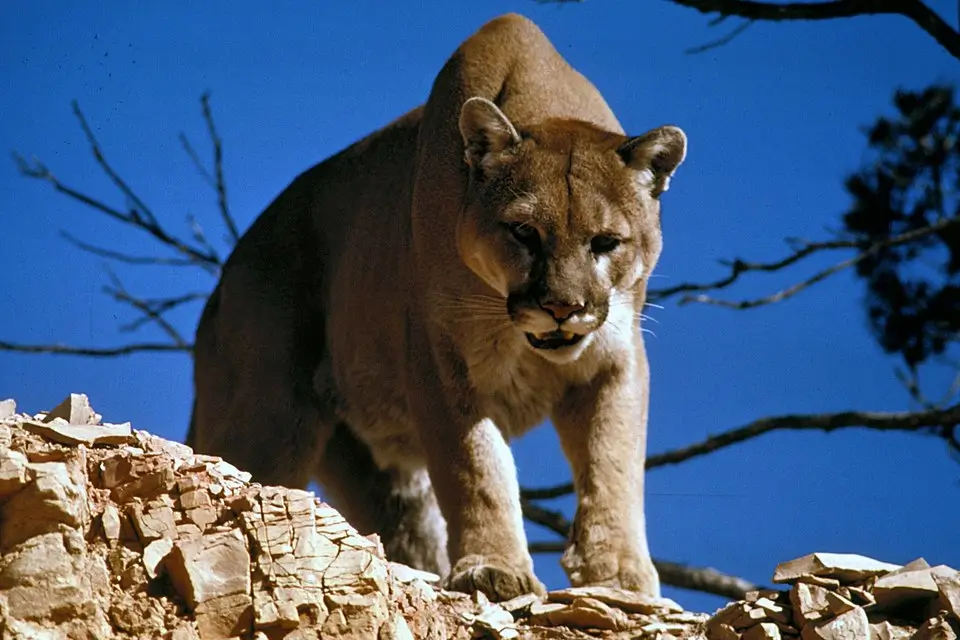
Few animals capture the imagination quite like the cougar. Known by more names than almost any other mammal on the continent — mountain lion, puma, panther, catamount, and painter, to name just a few — this magnificent large cat has roamed the Americas for millennia. Scientifically classified as Puma concolor, the cougar holds the remarkable distinction of having one of the largest natural ranges of any land mammal in the Western Hemisphere, stretching from the Canadian Yukon to the southern tip of South America. Elusive, powerful, and supremely adapted to a wide variety of environments, the cougar is both a symbol of wild North America and a cornerstone predator in many of the ecosystems it calls home.
For hunters, wildlife enthusiasts, and conservationists alike, understanding this animal — its biology, its habits, its history, and its current status — is essential not only for appreciating its role in nature but also for ensuring that future generations have the opportunity to experience the wild places where cougars roam. This article takes a comprehensive look at Puma concolor: what makes it such an extraordinary creature, where it lives, and what its presence means for states like Georgia and the broader American Southeast.
Biological Traits
The cougar is the largest member of the subfamily Felinae, which distinguishes it from the "big cats" of the genus Panthera (lions, tigers, leopards, and jaguars) even though its sheer size might suggest otherwise. Adult male cougars are impressive animals, typically larger and more heavily built than females. Like all members of the cat family (Felidae), cougars are obligate carnivores, meaning their diet consists entirely of meat, and they are built from the ground up for hunting.
One of the most striking physical features of the cougar is its plain, unspotted coat, which ranges in color from tawny or tan to grayish or reddish-brown, depending on geography and individual variation. The undersides are typically lighter, and adults display a distinctive facial pattern including a whitish muzzle and dark markings around the face. Young cubs, by contrast, are born with spotted coats and ringed tails — a feature that fades as they mature into adulthood.
The cougar's body is built for explosive athleticism. Long, powerful hind legs give the animal remarkable jumping ability, and it is known to be capable of impressive vertical and horizontal leaps when pursuing prey. Retractable claws, sharp carnassial teeth, and a muscular neck and jaw make it a highly efficient ambush predator. Unlike the big cats of the Panthera genus, cougars cannot roar. Instead, they communicate through a range of vocalizations that includes whistles, chirps, growls, hisses, and a distinctive, sometimes eerie scream that has startled many a backcountry traveler.
Cougars are solitary animals, with the exception of mothers raising cubs. Males maintain large home ranges that may overlap with the territories of several females, but adult males tend to avoid one another. Communication between individuals is accomplished largely through scent markings, scratch posts on trees, and ground scrapes. This secretive, solitary lifestyle is a major reason why cougars are so rarely observed in the wild, even in areas where populations are relatively healthy.
Females typically give birth to litters of one to six cubs after a gestation period of roughly three months. Cubs remain with their mothers for an extended period — often between one and two years — during which time they learn the hunting and survival skills they will need as independent adults. This extended period of maternal investment reflects the complexity of cougar behavior and the significant knowledge required to successfully hunt and navigate their environment.
As apex predators, cougars play a critical ecological role. Their primary prey across much of North America consists of deer, but they are opportunistic hunters capable of taking animals ranging in size from small rodents and rabbits to large ungulates such as elk and moose. By regulating prey populations, cougars contribute to the health and balance of entire ecosystems.
Habitat & Range
One of the most remarkable things about Puma concolor is its extraordinary adaptability. Cougars inhabit an astonishing diversity of environments, including coniferous and tropical forests, grasslands, swamps, deserts, and even high-altitude mountain terrain. This ecological flexibility is reflected in the species' vast range, which historically covered virtually all of North and South America.
In North America today, established wild cougar populations are primarily found in the western United States, western Canada, and Florida. The American West — from the Rocky Mountains to the Pacific Coast ranges — serves as the heart of cougar country in the United States, where states such as California, Colorado, Montana, Oregon, and Washington support significant populations. In Canada, cougars are well established in British Columbia and parts of Alberta.
A notable and celebrated exception in the eastern United States is the Florida panther (Puma concolor coryi), a recognized subspecies that clings to survival in the swamps and forests of southern Florida. The Florida panther represents one of the most intensive large mammal conservation efforts in American history and serves as a powerful reminder of both the fragility and resilience of wild cats.
In the broader southeastern region, including Georgia, cougars have a storied historical presence. The eastern cougar (Puma concolor couguar) once ranged widely across the eastern United States before being extirpated through a combination of habitat loss and hunting pressure in the 18th and 19th centuries. Today, there are no established, confirmed wild cougar populations in Georgia or most of the eastern states outside of Florida. However, occasional unconfirmed sightings and reports continue to surface across the region, keeping alive the hope — and the debate — about whether cougars might one day reclaim portions of their former eastern range.
Hunting Information
Cougar hunting has a long tradition in North America, particularly in the western United States and Canada, where regulated hunting seasons are managed by state and provincial wildlife agencies. In jurisdictions where hunting is permitted, it is typically conducted with the aid of hounds, which trail and tree the animal, allowing hunters to make a careful, ethical shot. Spot-and-stalk hunting is also practiced in open terrain. Cougar hunting is widely recognized as a challenging and rewarding pursuit, requiring significant woodsmanship skills and physical endurance.
In Georgia specifically, there is currently no established cougar hunting season, and no official hunting regulations for cougars exist in the state. This is consistent with the absence of a confirmed, established wild cougar population in Georgia. The Georgia Department of Natural Resources does not list cougar as a huntable species, and prospective hunters should consult the official Georgia DNR Wildlife Resources Division for the most current and accurate regulatory information before pursuing any hunting activity in the state.
Hunters interested in pursuing cougars should explore opportunities in western states where regulated hunting seasons exist and where healthy populations support sustainable harvest. Always ensure that any hunting activity is conducted in full compliance with all applicable state, federal, and local laws and regulations.
Conservation
The conservation story of the cougar is one of the most compelling in North American wildlife management. Once persecuted across much of its range as a threat to livestock and people, the cougar has benefited enormously from changing public attitudes and more science-based wildlife management approaches over the past several decades. In the western United States, cougar populations have rebounded significantly from historical lows, a testament to the effectiveness of regulated hunting programs and improved habitat protections.
The Florida panther remains critically endangered, with conservation efforts involving habitat preservation, wildlife crossing infrastructure to reduce road mortality, and captive breeding programs. These efforts have seen the Florida panther population grow from an estimated low of around 20 to 30 individuals in the 1970s to a more robust, though still vulnerable, population today.
Looking ahead, the question of cougar range expansion into the eastern United States — including states like Georgia — is an active topic of scientific and conservation discussion. As deer populations remain robust across the Southeast and forest habitats continue to recover from historical deforestation, some researchers suggest that ecological conditions could support cougar populations in parts of the region. Whether through natural dispersal or eventual reintroduction efforts, the cougar's relationship with the American East remains an open and fascinating chapter in conservation history.
As Georgia continues to grow — with a 2025 estimated population of over 11.3 million people according to the U.S. Census Bureau — balancing wildlife conservation with human land use will remain a central challenge and opportunity for the state's natural resource managers.