Overview
Few sights in the natural world capture the imagination quite like a V-formation of Canada geese cutting across an autumn sky, their resonant honking echoing across open fields and quiet waterways. The Canada goose (Branta canadensis) is one of North America's most recognizable and iconic waterfowl species, a bird that has become deeply woven into the cultural and ecological fabric of the continent. From the remote wetlands of northern Canada to the manicured lawns of suburban parks in Georgia, this adaptable and resilient species has proven itself to be one of nature's great success stories.
For hunters, wildlife watchers, and outdoor enthusiasts throughout Georgia and the broader Southeastern United States, the Canada goose represents both a thrilling quarry and a fascinating subject of study. Understanding this bird — its biology, behavior, habitat preferences, and the conservation principles that guide its management — is essential for anyone who wants to engage with it meaningfully, whether through binoculars or over a spread of decoys on a misty Georgia morning.
This comprehensive guide explores everything you need to know about the Canada goose in the context of Georgia and the wider natural world.
Biological Traits
The Canada goose, Branta canadensis, belongs to the family Anatidae, which encompasses ducks, geese, and swans. It is among the largest waterfowl species native to North America and is instantly recognizable by its distinctive plumage and markings.
Physical Appearance
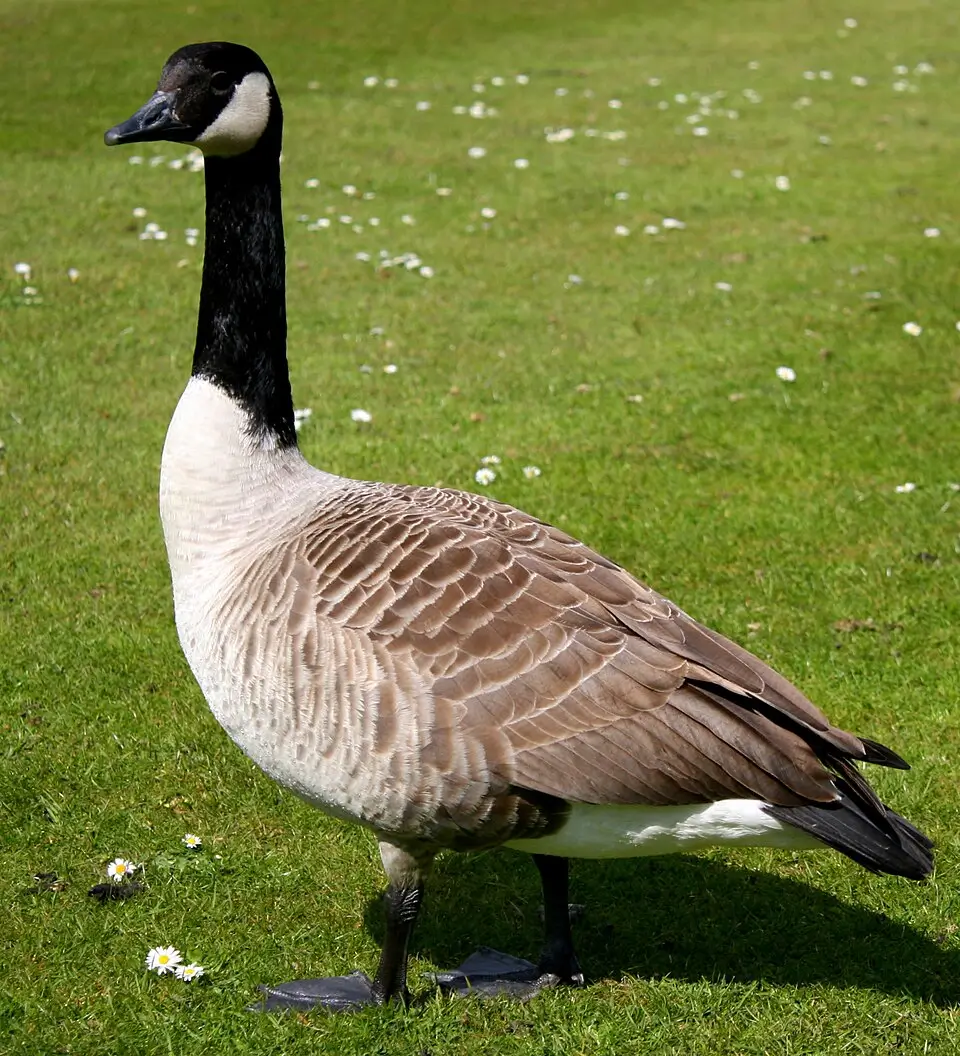
The Canada goose is characterized by its bold black head and long black neck, contrasted sharply by a white chinstrap patch that extends from cheek to cheek beneath the throat. The body is primarily brown on the back and wings, with a lighter, often buff or cream-colored breast and belly. The tail is black, and the rump is white, which is particularly visible in flight. The bill and legs are also black. Both males (ganders) and females (geese) share similar plumage, which is relatively unusual among waterfowl species where sexual dimorphism — differences in appearance between sexes — is common.
Canada geese are notably large birds. They are among the heaviest flying waterfowl in North America, and their wingspan is impressive, enabling the sustained, powerful flight for which they are so well known. Their characteristic V-formation flying pattern is not merely aesthetic — it is a highly efficient aerodynamic strategy in which each bird benefits from the upwash created by the wingtip of the bird ahead of it, reducing energy expenditure across the flock.
Subspecies Diversity
One of the most scientifically interesting aspects of Branta canadensis is its tremendous variation across subspecies. Taxonomists recognize multiple subspecies, ranging from the large, familiar "Giant Canada goose" (Branta canadensis maxima) to smaller, more compact forms found in Arctic and subarctic regions. This variation in size across subspecies — a phenomenon consistent with Bergmann's rule and geographic adaptation — means that Canada geese encountered in the Deep South may differ noticeably in size from those observed on northern breeding grounds.
Behavior and Social Structure
Canada geese are highly social animals. They form strong pair bonds that typically last for life, and both parents are actively involved in raising their young, known as goslings. Females incubate the eggs, while males stand guard nearby, exhibiting impressive protective behavior toward the nest and family unit. Goslings are precocial, meaning they are mobile and capable of feeding themselves shortly after hatching, though they remain under parental supervision for an extended period.
Canada geese are famously vocal. Their deep, resonant honking serves a range of communicative functions — from maintaining contact within a flock during flight to issuing warnings about potential predators. Their calls are a quintessential sound of North American wild spaces and are deeply evocative of seasonal change and migration.
These birds are also notably intelligent and adaptable. They learn quickly, remember locations of food sources and safe roosting areas, and adjust their behavior in response to human activity. This cognitive flexibility has been a key factor in their remarkable success across a wide variety of environments.
Habitat & Range
Geographic Range
The Canada goose has one of the broadest ranges of any waterfowl species in North America. Historically, the species bred primarily across Canada and Alaska and wintered throughout the continental United States and into northern Mexico. Today, thanks to conservation efforts and the species' own adaptability, Canada geese are year-round residents across much of the Lower 48 states, including Georgia.
Habitat Preferences
Canada geese are closely associated with open water and grassy areas adjacent to wetlands, lakes, rivers, and ponds. They are grazers by nature, favoring short grasses and aquatic vegetation, which makes lawns, golf courses, agricultural fields, and park areas highly attractive habitats. In Georgia, they can be found along the state's numerous rivers, reservoirs, farm ponds, and coastal marshes, as well as in suburban and urban green spaces.
Nesting habitat typically consists of elevated areas near water with good visibility — natural features like muskrat mounds, small islands, and shoreline vegetation are commonly used. Canada geese are not shy about nesting in close proximity to human structures, another testament to their adaptability.
Seasonal Movements in Georgia
Georgia sits within the Atlantic Flyway, one of North America's four major migratory corridors for waterfowl. During fall and winter, the state receives migratory Canada geese moving south from northern breeding grounds, supplementing the populations of resident geese that remain in Georgia throughout the year. The presence of large reservoirs, agricultural fields offering waste grain, and mild winters make Georgia a favorable wintering destination for many goose populations. Piedmont Georgia, with its mix of open farmland and abundant water resources, is particularly productive goose country during the winter months.
Hunting Information
Canada goose hunting is a cherished tradition in the United States and holds a special place in the culture of waterfowl hunting in Georgia. Hunting Canada geese combines fieldcraft, decoy work, calling skill, and an intimate knowledge of the birds' habits and movements — making it one of the most engaging and rewarding forms of waterfowl hunting available to Georgia sportsmen and women.
General Considerations
Hunting Canada geese in Georgia typically involves field hunting over harvested grain fields where geese feed, or hunting along the edges of lakes, ponds, and rivers where birds loaf and rest. Both styles of hunting require careful scouting, as geese are sharp-eyed and quick to avoid areas where they sense pressure.
Decoy spreads are a cornerstone of goose hunting strategy. Large, realistic full-body decoys are commonly used in field settings, while floater decoys are employed on open water. Motion decoys — those that simulate the movement of feeding or landing geese — can be highly effective at drawing birds into range.
Calling is another critical skill. Mastering the classic double-cluck, the hail call, and the feeding chuckle can make the difference between birds finishing confidently and flaring away at the last moment. Many hunters use a combination of mouth calls and electronic callers, though regulations governing the use of electronic calls vary and hunters should always consult current Georgia Department of Natural Resources (DNR) guidelines before the season.
Licensing and Regulations
Because specific season dates, bag limits, and licensing requirements for Canada geese in Georgia are subject to annual review and adjustment by state and federal wildlife agencies, hunters are strongly encouraged to consult the Georgia Department of Natural Resources Wildlife Resources Division directly for the most current and accurate information. Federal migratory bird regulations, administered through the U.S. Fish & Wildlife Service, also apply to Canada goose hunting nationwide, and federal duck stamps are typically required for waterfowl hunting.
Conservation
The story of Canada goose conservation is one of the great wildlife management successes in North American history. By the mid-20th century, certain subspecies — most notably the Giant Canada goose (Branta canadensis maxima) — had declined dramatically due to overhunting and habitat loss, and were feared to be extinct in some regions. Dedicated conservation efforts, including captive breeding programs, habitat restoration, and regulated hunting frameworks, helped bring populations back from the brink.
Today, Canada goose populations across North America are generally robust. The species' adaptability to human-modified landscapes has contributed significantly to population recovery, and in some areas, resident goose populations have grown to the point that wildlife managers actively work to balance population levels with habitat carrying capacity.
The North American Waterfowl Management Plan, a cooperative international framework involving the United States, Canada, and Mexico, provides overarching guidance for waterfowl conservation, including Canada geese. Hunters play a vital role in this system — hunting license fees and federal excise taxes on sporting goods (through the Federal Aid in Wildlife Restoration Act, commonly known as the Pittman-Robertson Act) fund wildlife research, habitat acquisition, and conservation programs that benefit Canada geese and countless other species.
In Georgia, thoughtful land management practices — including the maintenance of wetland habitats, buffer vegetation along waterways, and the preservation of open agricultural landscapes — support healthy goose populations that benefit both hunters and wildlife watchers alike.
Conclusion
The Canada goose is far more than just a familiar face on park ponds. It is a biologically fascinating species with a remarkable story of resilience and recovery, a prized quarry for waterfowl hunters, and a beloved symbol of wildness in a rapidly changing world. For Georgia's outdoor community, the honk of a Canada goose overhead remains one of autumn's most stirring sounds — an invitation to step outside, engage with the natural world, and carry forward the proud traditions of conservation and hunting that have defined this state's outdoor heritage for generations.