Overview
Few animals embody the wild spirit of North America quite like the bobcat. Elusive, powerful, and remarkably adaptable, the bobcat (Lynx rufus) is the continent's most widespread native wild cat and one of the most fascinating predators found across the United States. Whether stalking prey through the dense hardwood forests of the Georgia Piedmont, slipping silently across rocky desert terrain in the Southwest, or navigating the brushy thickets of the Great Plains, the bobcat has proven itself a true survivor — thriving in landscapes that have seen dramatic change over the past century.
In the state of Georgia, the bobcat is a well-established resident, calling the state's diverse mix of forests, swamps, farmlands, and suburban fringes home. Georgia's rich natural landscape — bordered by the Appalachian foothills to the northwest and the Atlantic coastline to the east — provides an ideal mosaic of habitats that support healthy bobcat populations. For hunters, wildlife enthusiasts, and naturalists alike, the bobcat represents one of the most exciting and rewarding species to pursue and observe in the Peach State and beyond.
This article takes a comprehensive look at the bobcat: its biology, behavior, habitat preferences, role in the ecosystem, and what hunters and wildlife watchers in Georgia should know about encountering this remarkable animal.
Biological Traits
The bobcat (Lynx rufus) belongs to the family Felidae and the genus Lynx, making it a close relative of the Canada lynx (Lynx canadensis), the Iberian lynx (Lynx pardinus), and the Eurasian lynx (Lynx lynx). Of all the lynx species, the bobcat is by far the most numerous and geographically widespread.
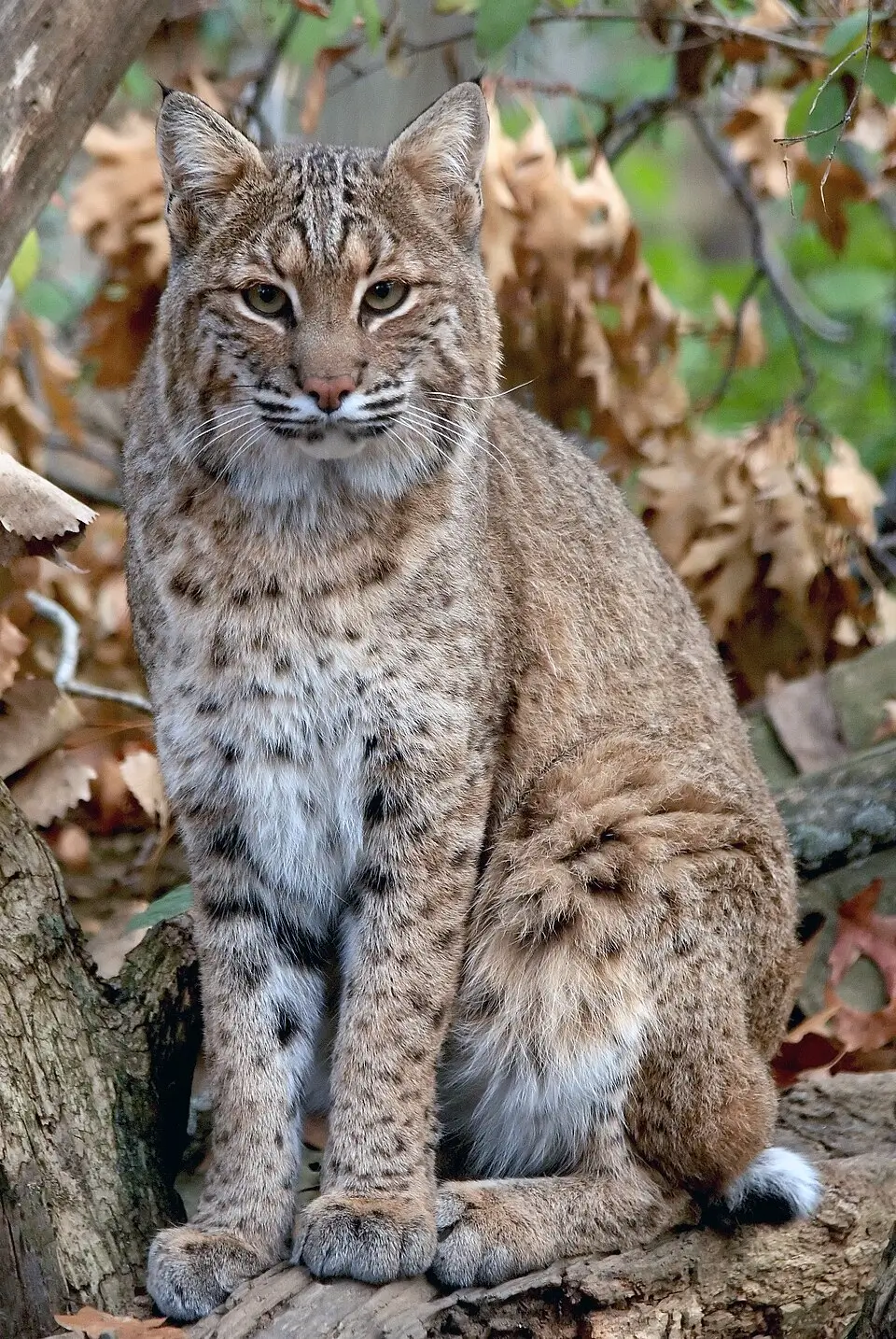
The bobcat's common name is derived from its distinctively short, "bobbed" tail, which typically measures only four to seven inches in length and is tipped with black on top and white on the underside. This stubby tail is one of the animal's most recognizable features and immediately distinguishes it from other wild cats in North America.
In terms of size, bobcats are medium-sized carnivores. Adult males are generally larger than females — a characteristic known as sexual dimorphism. Males typically weigh between 18 and 40 pounds, while females tend to fall in the 15 to 30-pound range, though individual weights can vary considerably depending on geographic region and food availability. Body length generally ranges from 26 to 41 inches, with a muscular, compact build well-suited for explosive bursts of speed and agility.
The bobcat's coat is one of its most beautiful features. The base coloration is typically tawny or yellowish-brown, marked with dark brown or black streaks and spots that vary in intensity from individual to individual. The belly and inner legs are often white or pale, also adorned with dark spots. The ears are tipped with short tufts of black fur — a hallmark of the Lynx genus — and the face features distinctive facial ruffs, giving the animal an almost regal appearance. This patterned coat provides exceptional camouflage in nearly every habitat the bobcat occupies, making it a master of concealment.
Bobcats are solitary and largely nocturnal, though they are also active during dawn and dusk — periods known as crepuscular activity. Males maintain large home ranges that can overlap with the smaller territories of several females. These territories are marked through scent marking, scratching on trees, and leaving scat in prominent locations.
As ambush predators, bobcats rely heavily on stealth and patience. Their primary prey consists of rabbits and hares — particularly the eastern cottontail in the Southeast — but they are opportunistic hunters capable of taking a wide variety of prey including squirrels, mice, rats, birds, white-tailed deer fawns, and even wild turkeys. The bobcat's hunting strategy typically involves a slow, deliberate stalk followed by a sudden explosive pounce, with powerful jaws and sharp retractable claws delivering a swift kill.
Bobcats breed primarily in late winter, with the peak of mating activity generally occurring between February and March across much of their range. After a gestation period of approximately 60 to 70 days, females give birth to litters of one to six kittens, with two to four being most common. Kittens are born blind and helpless, relying entirely on their mother for food and protection. They begin accompanying their mother on hunting forays by late summer and typically disperse to establish their own territories by their first winter or spring.
The average lifespan of a wild bobcat is generally seven to ten years, though individuals in captivity have been known to live considerably longer.
Habitat & Range
The bobcat is arguably the most habitat-versatile wild cat in the world. Across its range, it occupies deserts, swamps, mountain forests, scrublands, agricultural fields, and even suburban areas on the fringes of major cities. This extraordinary adaptability is a key reason why the bobcat has maintained robust populations even as many other predator species have experienced significant declines.
The species' range extends from southern Canada in the north through virtually all of the contiguous United States and south into central Mexico. Within the United States, the bobcat is absent from only a small number of areas, primarily in highly developed central agricultural regions of the Midwest where suitable cover is limited.
In Georgia, bobcats are found statewide. The state's varied geography — encompassing the Blue Ridge Mountains in the north, the rolling Piedmont in the center, the Coastal Plain and its vast pine forests to the south, and the rich wetlands and barrier islands along the Atlantic coast — provides a remarkable diversity of habitats for bobcats to exploit. Wooded areas with dense understory vegetation, river bottomlands, swamps, and pine-hardwood transitions are particularly favored.
Bobcats generally require sufficient cover for denning and hunting, along with an adequate prey base. In Georgia, the abundance of white-tailed deer, eastern cottontail rabbits, squirrels, and numerous bird species ensures that prey resources are rarely a limiting factor. Dens are typically established in hollow trees, rock outcroppings, dense brush piles, or log jams, and females may use multiple den sites within their territory.
Hunting Information
The bobcat holds a special place in North American hunting tradition. As both a furbearer and a challenging predator, it attracts a dedicated following of hunters who pursue it for its beautiful pelt, as a trophy, and for the extraordinary challenge it presents.
Because this article draws on general source information rather than specific current Georgia hunting regulations, hunters in Georgia who are interested in pursuing bobcats are strongly encouraged to consult the Georgia Department of Natural Resources (DNR) Wildlife Resources Division directly for the most up-to-date licensing requirements, season dates, bag limits, and any applicable regulations. Regulations for furbearers including bobcats can change from season to season, and compliance with state law is essential.
Generally speaking, bobcat hunting across the United States is pursued through several methods. Predator calling — using electronic or mouth-blown calls that mimic the sounds of distressed prey animals — is one of the most effective and popular approaches. Bobcats respond strongly to rabbit distress calls and bird distress sounds, often approaching within close range of a well-concealed hunter. Hound hunting, where trained dogs track and tree bobcats, is a traditional and deeply rooted method in the South, including Georgia. Trapping is also a widely used harvest method, particularly among those who pursue bobcats primarily for their fur value.
Bobcat pelts are highly prized in the fur market. The spotted, soft fur is among the most beautiful of any North American furbearer, and high-quality pelts can command significant prices. This gives bobcat hunting both a sporting and an economic dimension for many hunters and trappers across the Southeast.
For hunters pursuing bobcats in Georgia, scouting for sign — including tracks in soft soil or mud, scratch posts on trees, and scat — is an important part of success. Edge habitats where forest meets open field or where creek bottoms meet upland timber tend to be productive areas to set up calling stands.
Conservation
The bobcat's conservation status is generally considered stable across most of its range. The species is listed as Least Concern on the International Union for Conservation of Nature (IUCN) Red List, reflecting its broad distribution and adaptable nature. Unlike many large carnivores, the bobcat has demonstrated a remarkable ability to persist alongside human development, colonizing suburban and even semi-urban landscapes where prey is abundant and direct persecution is limited.
Historically, bobcat populations faced significant pressure from unregulated hunting and trapping, as well as widespread habitat loss throughout the 20th century. Conservation efforts, including the establishment of regulated hunting and trapping seasons managed by state wildlife agencies, have played an important role in maintaining healthy population levels. Today, state wildlife agencies across the country — including Georgia's DNR — monitor bobcat populations and adjust harvest regulations accordingly to ensure long-term sustainability.
The bobcat also plays a vital ecological role as a mesopredator. By controlling populations of rabbits, rodents, and other small to medium-sized prey species, bobcats help maintain balance within their ecosystems. Their presence is often an indicator of a healthy, functioning wildlife community.
In Georgia, the bobcat benefits from the state's extensive system of wildlife management areas, national forests, and conservation lands that provide protected habitat across millions of acres. The continued growth of public and private land conservation in Georgia bodes well for the future of the bobcat in the state.
Whether you encounter a bobcat on a quiet morning hunt in the Georgia woods, capture one on a trail camera along a creek bottom, or simply admire its tracks pressed into the mud along a swamp edge, the experience is always memorable. The bobcat is a living testament to the wild beauty and resilience of North American wildlife — a creature that has earned its place in both the natural world and the hearts of those who seek it.