The Red Fox: North America's Most Recognized Wild Canid
A Comprehensive Guide to Vulpes vulpes
Few wild animals capture the human imagination quite like the red fox. With its brilliant russet coat, bushy tail, and famously sharp intellect, the red fox (Vulpes vulpes) has earned a place in folklore, literature, and wildlife biology alike. From ancient fables to modern nature documentaries, this remarkable canid has long been a symbol of cunning, adaptability, and wild beauty. Yet beyond its cultural reputation, the red fox is a genuinely fascinating creature — one of the most widely distributed wild mammals on Earth and a species whose natural history rewards careful study.
Whether you are a wildlife enthusiast, a hunter, or simply someone who has caught a glimpse of a flash of orange disappearing into the tree line, understanding the red fox more deeply enriches your appreciation of the natural world. This article explores the biology, habitat, behavior, and conservation status of Vulpes vulpes, with particular attention to how this species fits into the landscapes of the southeastern United States, including the state of Florida.
Biological Traits
The red fox belongs to the family Canidae, placing it in the company of wolves, coyotes, domestic dogs, and other foxes. Within that family, it is classified under the genus Vulpes, which comprises the so-called "true foxes." The species name vulpes is simply the Latin word for fox, reflecting just how centrally this animal has figured in human awareness throughout history.
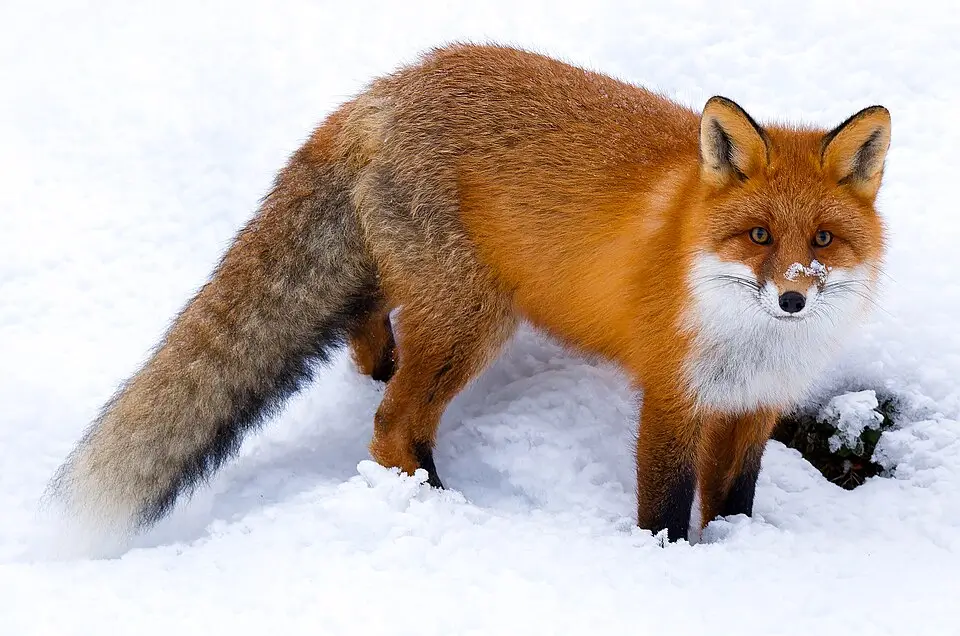
The red fox is the largest of the true foxes. Adults typically display the characteristic reddish-orange fur on their back, flanks, and head, while the underside tends to be white or pale gray. The legs and ears are often accented with black markings, and the long, bushy tail — commonly called a "brush" — usually ends in a distinctive white tip. However, red foxes are notably variable in coloration. Melanistic individuals (appearing black or very dark), cross foxes (showing a dark cross pattern across the shoulders), and silver foxes (displaying black fur with silver-tipped guard hairs) are all naturally occurring color morphs within the same species.
One of the most remarkable biological features of the red fox is its sensory capability. It possesses excellent hearing, capable of detecting sounds at high frequencies that are imperceptible to humans. This acute hearing allows foxes to pinpoint small prey moving beneath snow or dense vegetation. Their sense of smell is similarly well developed, used both for hunting and for the complex olfactory communication that governs fox social structure. Foxes use scent marking — through urine, feces, and specialized glands — to define territories and communicate information to other foxes.
Red foxes are also notable for their intelligence and behavioral flexibility. They are opportunistic omnivores, capable of adjusting their diet based on seasonal availability. Small mammals such as mice, voles, and rabbits form a core part of the diet, but red foxes will readily consume birds, eggs, insects, fruits, berries, and carrion. This dietary flexibility is one of the key reasons the species has thrived across such a wide range of environments.
Reproduction in red foxes follows a relatively straightforward seasonal pattern. Mating typically occurs in late winter, and after a gestation period of approximately 52 days, a litter of kits — usually ranging from four to six pups, though larger litters are possible — is born in an underground den. Both parents are often involved in raising the young, with the male (called a "dog fox") bringing food to the female (called a "vixen") and kits during the early weeks. By late summer, the young foxes are typically independent and dispersing to establish their own territories.
The vocalizations of red foxes are another distinctive trait. They produce a range of sounds, including barks, screams, and a characteristic high-pitched howl or "gekkering" sound during confrontations. During the winter mating season, the haunting screams of vixens calling for mates can be startling to those unfamiliar with the sound — many people hearing a red fox scream for the first time mistake it for a distressed person or a strange bird.
Habitat & Range
The red fox holds the distinction of having the largest natural range of any member of the order Carnivora. Its native and introduced range spans much of the Northern Hemisphere, including North America, Europe, Asia, and parts of North Africa. In North America, red foxes are found from the Arctic tundra of Canada and Alaska all the way down into the southern United States.
The species demonstrates remarkable habitat generalism. Red foxes thrive in forests, grasslands, agricultural landscapes, suburban environments, and even urban settings. Their ability to exploit fragmented and human-altered landscapes has allowed populations to expand significantly alongside human development, even as many other wildlife species have declined.
In the context of the southeastern United States and Florida specifically, the red fox occupies a notable position. Florida's diverse ecosystems — encompassing pine flatwoods, hardwood hammocks, agricultural fields, wetland margins, and suburban corridors — provide suitable habitat for foxes. Florida's position as a southeastern state with a warm climate, extensive coastline, and diverse biomes means that wildlife management in the state must account for a wide range of species, including canids like the red fox.
It is worth noting that in Florida and much of the southeastern United States, the red fox shares its range with the native gray fox (Urocyon cinereoargenteus). The two species occupy somewhat overlapping niches but tend to differ in habitat preference, with gray foxes showing a stronger association with dense woodland and the unique ability among North American canids to climb trees. Red foxes, by contrast, tend to favor more open or edge habitats where their superior running speed can be put to use.
Hunting Information
Across North America, the red fox has a long and storied history as a game animal and furbearer. Fox hunting, both in the traditional equestrian style brought over from Europe and in the more widespread practice of predator calling and trapping, has been a part of North American outdoor culture for centuries.
In terms of hunting and furbearer regulations, each state manages its own wildlife policies, and guidelines can vary significantly from one jurisdiction to another. In Florida, all hunting activities are regulated by the Florida Fish and Wildlife Conservation Commission (FWC). The FWC oversees hunting regulations, licensing requirements, season dates, and quota hunts through its comprehensive Hunting Handbook and related resources. Hunters and trappers interested in pursuing foxes — or any other furbearers or game animals — in Florida should consult the most current FWC regulations directly, as rules are updated on a regular basis.
The FWC provides extensive online resources for hunters, including quota hunt dashboards, information on Wildlife Management Areas (WMAs), public shooting ranges, and up-to-date notices about area closures and openings. Given that regulations are subject to change, always verifying the most current season dates, license requirements, and any applicable bag limits or method restrictions through official FWC channels is the responsible and legally sound approach for any hunter operating in the state.
For those interested in fox hunting as a sporting or wildlife management activity, understanding fox behavior and habitat preferences is invaluable. Foxes are most active at dawn, dusk, and during nighttime hours. They are notoriously wary and have excellent senses, making them a challenging and rewarding pursuit for experienced hunters and predator callers alike.
Conservation
The red fox occupies a favorable conservation status globally. The International Union for Conservation of Nature (IUCN) lists Vulpes vulpes as a species of Least Concern, reflecting its wide distribution, large overall population, and demonstrated adaptability to changing environments. Unlike many wildlife species that have suffered significant range contractions or population declines due to habitat loss, the red fox has in many areas maintained or even expanded its presence.
This resilience does not mean, however, that red foxes exist outside the scope of thoughtful wildlife management. In ecosystems where fox populations are high, they can have notable predation pressure on ground-nesting birds, small mammals, and other vulnerable wildlife. Responsible wildlife management — including regulated hunting and trapping where applicable — plays a role in maintaining healthy ecosystem balance.
In Florida, the FWC's broader wildlife management mission encompasses the monitoring and management of all native and naturalized wildlife, including foxes. Conservation in a state as ecologically complex and geographically unique as Florida requires careful attention to the interplay between predator and prey species, habitat quality, and human land use patterns.
For everyday citizens, supporting habitat conservation, practicing responsible land stewardship, and respecting local wildlife regulations all contribute meaningfully to the long-term wellbeing of species like the red fox. Observing these animals in the wild — whether a fox trotting through a field at sunrise or a vixen tending to kits near a den — is one of the genuine rewards of living alongside a rich and functioning natural world.
Conclusion
The red fox is far more than a symbol of cunning in human storytelling. It is a highly evolved, ecologically important, and biologically fascinating predator that has successfully navigated a world increasingly shaped by human activity. From its distinctive appearance to its complex social behaviors and impressive sensory capabilities, Vulpes vulpes rewards careful observation and study. In Florida and across North America, this species continues to thrive, serving as both a valued game animal and a reminder of the wild vitality present even in heavily developed landscapes.