American Alligator: A Living Legend of the American South
Few creatures capture the raw, untamed spirit of the American wilderness quite like the American alligator (Alligator mississippiensis). A true living relic of prehistoric times, this remarkable reptile has prowled the freshwater marshes, swamps, and river systems of the southeastern United States for millions of years. Long before human civilization took root on this continent, alligators were already ancient — survivors of mass extinctions, shifting climates, and dramatic geological changes that reshaped the planet. Today, they remain one of the most iconic and ecologically vital animals in the American South, serving as both a symbol of wild Florida and a testament to what dedicated conservation efforts can achieve.
The American alligator holds a special place in the cultural and ecological fabric of Florida in particular. As the state with one of the longest coastlines in the contiguous United States — stretching approximately 1,350 miles along the Gulf of Mexico and the Atlantic Ocean — Florida offers an extraordinary mosaic of wetland habitats perfectly suited to this apex predator. From the sprawling sawgrass prairies of the Everglades to the quiet blackwater rivers of the Panhandle, alligators are everywhere in Florida, and spotting one in the wild remains one of the most thrilling experiences that the state's natural landscapes have to offer.
Whether you're a wildlife enthusiast, a curious naturalist, or a hunter hoping to pursue one of North America's most challenging and rewarding quarry species, understanding the American alligator is a deeply rewarding endeavor. This article explores the biology, habitat, hunting traditions, and conservation story of this extraordinary animal.
Biological Traits
The American alligator is a member of the order Crocodilia, placing it among the most evolutionarily advanced of all reptiles. It belongs to the family Alligatoridae, which distinguishes it from its close cousin, the American crocodile (Crocodylus acutus), as well as from the saltwater crocodiles found in other parts of the world. The scientific name Alligator mississippiensis reflects the species' deep historical association with the Mississippi River basin, though its range extends far beyond that singular waterway.
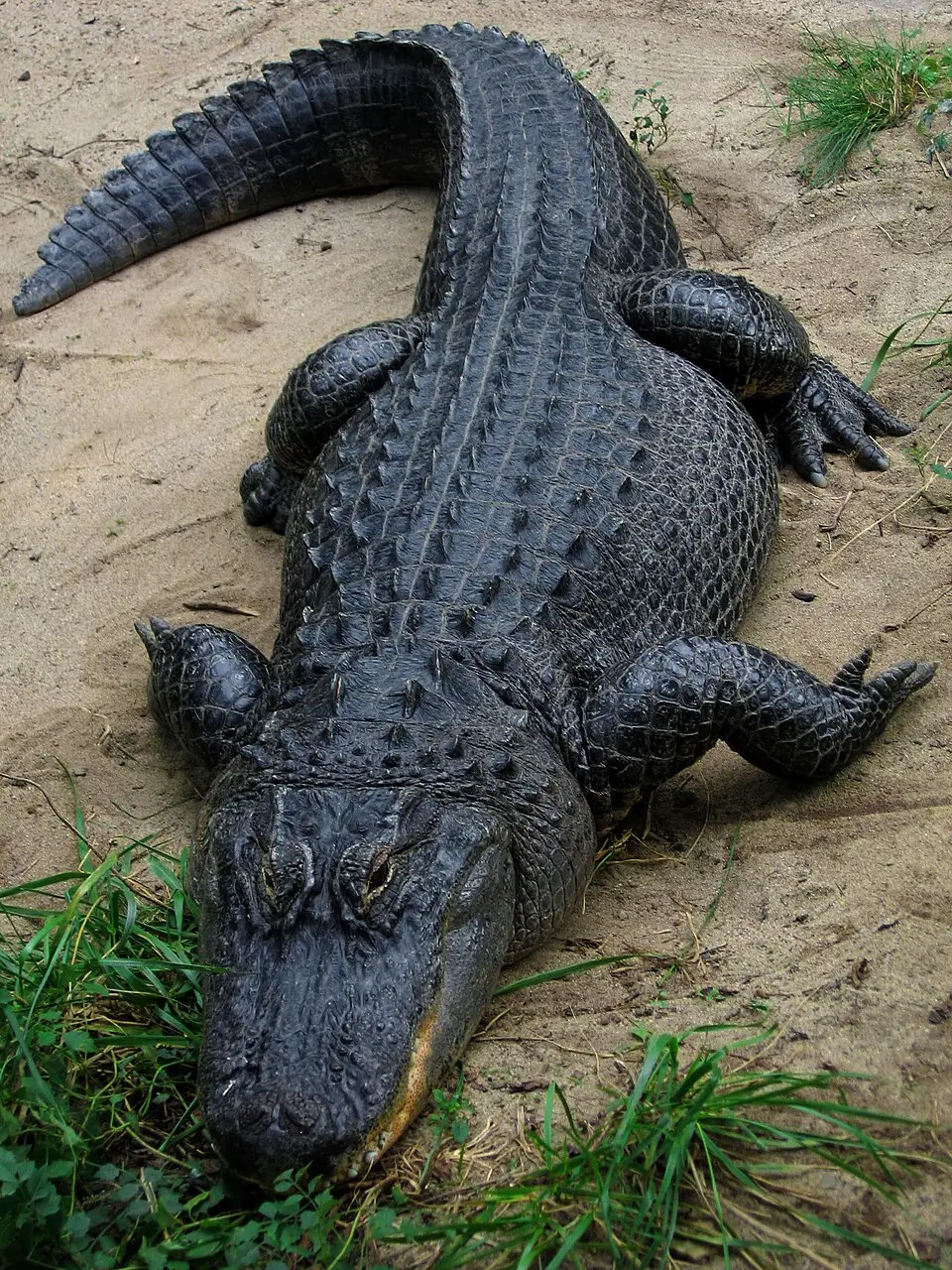
Alligators are large, powerfully built reptiles with a broad, rounded snout — one of the key features that distinguishes them from crocodiles, which tend to have narrower, more pointed snouts. Their bodies are covered in tough, bony plates called osteoderms, or scutes, which form an impressive natural armor along their backs and tails. The tail itself is a remarkable structure — thick, muscular, and laterally flattened — serving as the primary means of propulsion through the water, allowing alligators to swim with surprising speed and agility.
Adult American alligators are among the largest reptiles in North America. Males are generally significantly larger than females, a trait known as sexual dimorphism that is common across the Crocodilia. Large males can reach impressive lengths and weights, making them formidable predators at the top of the food chain in their respective ecosystems. Females are typically smaller but are no less important to the species' survival, playing the central role in reproduction and parental care.
Alligators are ectothermic, meaning they rely on external heat sources to regulate their body temperature. This behavioral trait explains why you'll often find them basking in the sun along the banks of rivers, lakes, and marshes — a behavior that serves not just to warm their bodies, but also to aid digestion and maintain overall metabolic function. During colder months, alligators may enter a state of reduced activity known as brumation, a reptilian equivalent of dormancy, retreating to burrows or the depths of water bodies until warmer temperatures return.
One of the most fascinating aspects of alligator biology is their reproductive behavior. Female alligators build large mound nests from vegetation, mud, and debris, laying clutches of eggs that are incubated by the heat generated from the decomposing plant material. Remarkably, the sex of the hatchlings is determined not by genetics but by the temperature of incubation — a phenomenon known as temperature-dependent sex determination. Females tend to guard their nests aggressively and will respond to the calls of their hatchlings when they emerge, carrying them gently to the water in their massive jaws. This level of parental care is unusual among reptiles and speaks to the evolutionary sophistication of these ancient animals.
Alligators are opportunistic carnivores, and their diet shifts dramatically with age. Juveniles feed on small invertebrates, insects, and tiny fish, while adults are capable of taking large prey including fish, turtles, wading birds, mammals such as deer, and virtually anything else they can ambush near the water's edge. Their hunting technique relies heavily on stealth and patience — they are ambush predators of the highest order, capable of remaining almost perfectly motionless for extended periods before striking with explosive speed.
Habitat & Range
The American alligator's range is centered on the southeastern United States, with the species found across a broad swath of territory that includes Florida, Louisiana, Georgia, South Carolina, North Carolina, Alabama, Mississippi, Arkansas, Oklahoma, and Texas. Florida and Louisiana are home to the largest populations, and these two states have long been at the center of both alligator research and management.
Florida, in particular, offers an almost ideal environment for alligators. The state's geography — defined by its low-lying peninsula, subtropical and tropical climate, and extraordinary abundance of freshwater wetlands — provides everything an alligator needs to thrive. The Everglades, one of the most famous and ecologically significant wetland systems in the world, serves as prime alligator habitat, as do the Okefenokee Swamp near the Georgia border, the St. Johns River system, Lake Okeechobee, and countless smaller lakes, rivers, ponds, and coastal marshes scattered throughout the state.
Alligators are primarily freshwater animals, though they can tolerate brackish conditions for limited periods. They are most commonly found in slow-moving or still water bodies such as swamps, marshes, lakes, ponds, and rivers with abundant vegetation. They are well-adapted to disturbed habitats as well, and in Florida it is not uncommon to find alligators in retention ponds, golf course water hazards, and suburban waterways — a reality that underscores both the adaptability of the species and the importance of public education regarding coexistence with these powerful animals.
Hunting Information
The American alligator has a rich and storied hunting tradition in the American South. For generations, indigenous peoples, early settlers, and later commercial hunters pursued alligators for their hides and meat, and today regulated alligator hunting remains an important part of the outdoor sporting culture in Florida and other southeastern states.
In Florida, alligator hunting is overseen by the Florida Fish and Wildlife Conservation Commission (FWC), the state agency responsible for managing fish and wildlife resources across the state. The FWC administers alligator hunting programs designed to maintain healthy, sustainable populations while offering sportsmen and women the opportunity to participate in one of the most unique hunting experiences in North America. According to FWC, hunting regulations for Florida — including those applicable to alligators — are summarized in the official Hunting Handbook, which outlines regulations for both private and public lands across the state.
Hunters interested in pursuing alligators in Florida should consult the most current FWC resources, including official quota hunt dashboards and the Hunting Handbook, to obtain accurate and up-to-date information on season dates, licensing requirements, and applicable regulations. Quota hunts — a system used to manage harvest numbers and protect population sustainability — are a key feature of Florida's alligator management program. The FWC's managed wildlife management areas (WMAs) also play an important role in providing public hunting access across the state.
Anyone planning to hunt alligators in Florida is strongly encouraged to visit the FWC's official website at MyFWC.com for the most current regulations, open and closed area statuses, and licensing information before heading afield.
Conservation
The conservation story of the American alligator is one of the great success narratives in American wildlife management. By the mid-twentieth century, unregulated commercial hunting and widespread habitat destruction had pushed alligator populations to critically low levels across much of their range. The species was listed under federal protections, and combined with habitat conservation efforts and carefully managed recovery programs, populations rebounded dramatically.
Today, the American alligator is considered a species of least concern from a conservation perspective — a remarkable turnaround that stands as proof of what science-based wildlife management can achieve. The recovery of the alligator also had cascading positive effects on the ecosystems it inhabits. As a keystone species, alligators shape their environments in profound ways: they excavate "gator holes" that retain water during dry seasons and provide critical refugia for fish, amphibians, birds, and other wildlife. Their nesting mounds provide elevated habitat for other species. In short, healthy alligator populations are a sign of healthy wetland ecosystems.
Florida's commitment to sustainable wildlife management, as exemplified by the work of the FWC and the state's broader conservation infrastructure, ensures that the American alligator will continue to thrive for generations to come. For residents and visitors alike, the presence of alligators in Florida's wild places is not a cause for alarm but a reason for celebration — a reminder that wild nature, when respected and properly managed, endures.