The Raccoon: North America's Clever and Adaptable Wild Neighbor
A Complete Guide for Wildlife Enthusiasts and Hunters in Florida
Few animals capture the imagination quite like the raccoon. With its distinctive masked face, ringed tail, and almost unnervingly dexterous front paws, the raccoon (Procyon lotor) stands as one of North America's most recognizable and fascinating wild mammals. Whether spotted raiding a campsite, navigating a suburban backyard, or wading through the shallow edges of a Florida wetland, raccoons have earned a well-deserved reputation as some of the most intelligent, adaptable, and resourceful creatures on the continent.
For hunters, wildlife photographers, naturalists, and outdoor enthusiasts across Florida, the raccoon represents a deeply embedded part of the Southeastern wildlife tradition. Raccoon hunting has historical roots that stretch back centuries in the American South, and in Florida — a state blessed with extraordinary biodiversity and sweeping natural landscapes — the raccoon remains a highly regarded game animal and an endlessly interesting subject for wildlife observation.
This article takes a comprehensive look at the raccoon: its biology, behavior, habitat preferences, its place in Florida's hunting culture, and the conservation principles that help ensure healthy raccoon populations for generations to come.
Biological Traits
The raccoon belongs to the family Procyonidae and carries the scientific name Procyon lotor, a Latin designation that translates roughly to "before the dog" and "washer" — a nod to the animal's curious habit of dunking and manipulating food in water. This behavior, while charming to observe, is believed to be related to the enhancement of sensory perception in the raccoon's remarkably sensitive front paws, rather than a hygiene practice.
Raccoons are medium-sized mammals, typically weighing anywhere from 8 to 20 pounds in most of their range, though individuals in northern climates can grow considerably heavier as they accumulate fat reserves for winter. Florida raccoons tend to be somewhat smaller than their northern counterparts, a common pattern in mammal populations that biologists refer to as Bergmann's Rule, which holds that individuals within a species tend to be smaller in warmer climates.
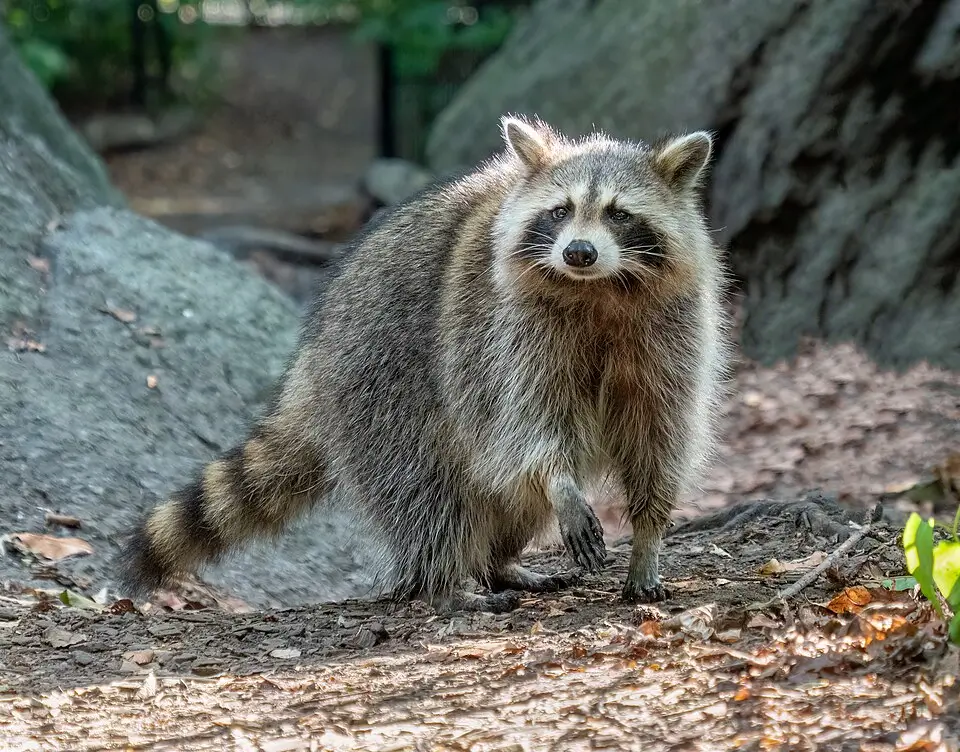
Perhaps the raccoon's most iconic physical feature is the black facial mask that stretches across its eyes — a marking so distinctive that it has made the raccoon one of the most instantly identifiable animals in North America. Paired with a bushy tail banded in alternating rings of dark and light fur, raccoons carry a striking appearance that belies their extraordinary capability as survivalists.
Raccoons are omnivores with remarkably broad dietary habits. They consume a wide variety of foods including fruits, nuts, insects, frogs, crayfish, bird eggs, small rodents, fish, and virtually anything else that presents itself as a caloric opportunity. This dietary flexibility is one of the principal reasons raccoons have thrived across such a wide and diverse range of environments, from wilderness forests to suburban neighborhoods.
The intelligence of raccoons is well documented in scientific literature. Studies have shown that raccoons are capable of solving complex puzzles, retaining learned behaviors over extended periods, and adapting rapidly to new challenges — including the many obstacles that human environments present. Their front paws, which contain an extraordinary concentration of sensory nerve endings, function almost like hands, allowing raccoons to manipulate objects, open latches, and investigate their surroundings with impressive precision.
Raccoons are generally solitary outside of mating season, though loose social groupings — particularly among females — have been observed. Breeding typically occurs in late winter, with females giving birth to litters of two to five young, known as kits, in spring. The kits remain with their mother through their first autumn and winter, learning critical survival skills before striking out on their own.
Habitat & Range
The raccoon is one of the most widely distributed mammals in North America. Its range extends from southern Canada through the continental United States and into Central America, encompassing a breathtaking variety of ecosystems along the way. The species has also been introduced — sometimes controversially — to parts of Europe and Asia, where it has established feral populations.
Within the United States, few states offer habitat as perfectly suited to raccoons as Florida. The Sunshine State's combination of dense forests, expansive wetlands, freshwater systems, coastal marshes, and agricultural lands creates a mosaic of environments that raccoons are supremely equipped to exploit. Florida's warm climate means that raccoons in the state remain active year-round, without the extended periods of torpor that northern populations experience during harsh winters.
Florida is home to a subspecies known as the Florida raccoon (Procyon lotor elucus), one of several recognized subspecies across North America. The Florida Keys even harbor their own distinct and uniquely small subspecies, the Key Vaca raccoon (Procyon lotor auspicatus), reflecting the remarkable ecological diversity found within the state's boundaries.
Raccoons in Florida are particularly associated with wetland environments. The state's vast systems of swamps, river margins, cypress strands, and coastal estuaries provide abundant food sources — particularly crayfish, frogs, and aquatic invertebrates — that raccoons are well adapted to exploit. The Everglades, the Big Cypress Swamp, the Ocala National Forest, and countless river corridors throughout the state all support robust raccoon populations.
Beyond the wilderness, Florida's raccoons have proven exceptionally capable of adapting to developed landscapes. Agricultural areas, suburban neighborhoods, and even urban green spaces frequently support raccoon populations, a testament to the species' extraordinary behavioral flexibility.
Hunting Information
Raccoon hunting is a time-honored tradition with deep roots in the American South, and Florida is no exception. The practice of night hunting with hounds — often called "coon hunting" — has shaped hunting culture in the Southeast for generations, blending the skills of dog handling, woodsmanship, and wildlife knowledge into a uniquely rewarding outdoor pursuit.
Florida's raccoons are managed as a game species by the Florida Fish and Wildlife Conservation Commission (FWC), the state agency responsible for regulating hunting, fishing, and wildlife management across Florida. The FWC oversees a comprehensive framework of regulations designed to ensure sustainable raccoon populations while providing quality hunting opportunities for Florida's hunting community.
Hunters interested in pursuing raccoons in Florida are strongly encouraged to consult the FWC's official resources, including the Florida Hunting Handbook, which summarizes current regulations for both private and public lands. The FWC also manages Wildlife Management Areas (WMAs) throughout the state, many of which offer raccoon hunting opportunities in some of the most productive and scenic wild lands in the Southeast.
For those planning to hunt on public lands, it is important to note that the FWC maintains updated information on WMA closures and access changes through its official notices system. Hunters should always verify the current open or closed status of any WMA before heading afield.
The FWC has also developed quota hunt programs that allow hunters to pursue game on specific managed areas, and new quota hunt dashboards have been introduced to help hunters plan their seasons more effectively. These tools represent the ongoing commitment of Florida wildlife managers to provide accessible, well-organized hunting opportunities across the state.
As with all hunting activities in Florida, prospective raccoon hunters should ensure they hold any required licenses and permits and are familiar with all applicable regulations for the area and season they intend to hunt. Regulations may vary between private lands, WMAs, and other public lands, and staying informed is both a legal responsibility and a mark of ethical sportsmanship.
Conservation
The raccoon occupies a secure position in terms of conservation status. The species is currently listed as a species of Least Concern by the International Union for Conservation of Nature (IUCN), reflecting its wide distribution, large population numbers, and remarkable adaptability. Across most of its range, including Florida, raccoon populations are healthy and stable.
This positive conservation status is the result of multiple factors. Raccoons' dietary flexibility means they are rarely threatened by localized food shortages. Their reproductive rate — with females capable of producing litters annually — enables populations to recover quickly from localized pressures. And their ability to thrive in both wild and modified landscapes means habitat loss affects them far less severely than it does many other species.
In Florida, the FWC plays a central role in monitoring and managing raccoon populations as part of a broader commitment to wildlife conservation throughout the state. Regulated hunting serves as one of the primary tools through which wildlife managers maintain healthy and balanced raccoon populations, preventing overpopulation issues that can have cascading effects on ecosystems and local communities.
Florida's raccoon subspecies — including the Florida raccoon and the more range-restricted Key Vaca raccoon — benefit from the state's extensive network of protected lands, including state parks, national forests, wildlife refuges, and FWC-managed WMAs. These areas provide critical refuges for raccoons and the many other species that share their habitats.
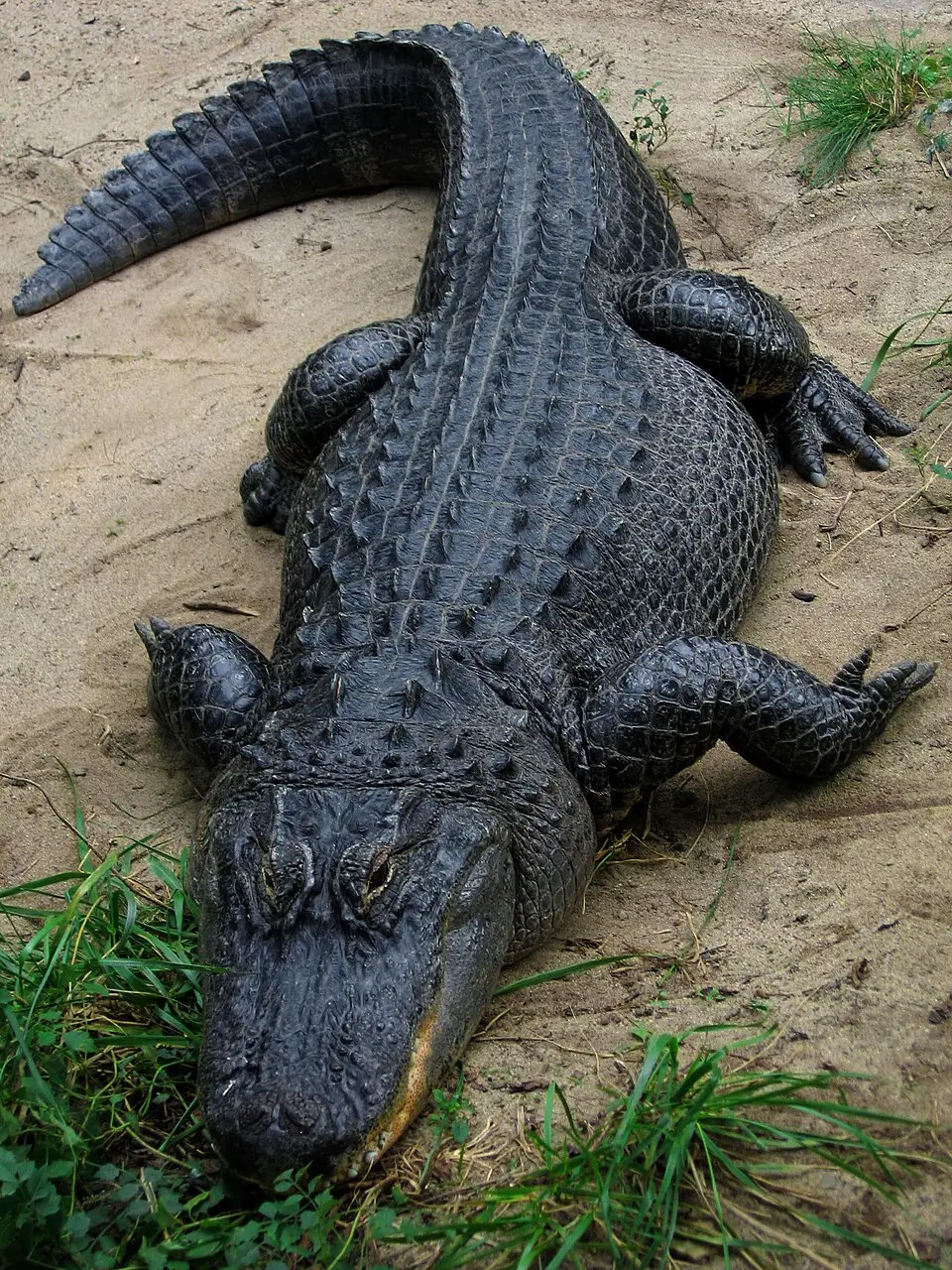
Beyond the numbers, raccoons play meaningful ecological roles in the environments they inhabit. As omnivores that consume a wide range of prey and plant material, they contribute to seed dispersal, invertebrate population control, and the broader food web dynamics of Florida's ecosystems. They also serve as prey for larger predators, including American alligators, Florida panthers, and large birds of prey — linking them into the complex ecological tapestry of the state's wild places.
For hunters, wildlife watchers, and conservation advocates alike, the raccoon represents something worth celebrating: a wild animal that has not only survived alongside human expansion but has thrived, bringing a touch of wildness into landscapes across the full breadth of Florida and North America.