Nutria in Florida: A Complete Guide to Myocastor coypus
Few animals in the American South capture the imagination quite like the nutria — a large, semi-aquatic rodent that has carved out a remarkable and complex presence in wetland ecosystems across the continent. Known scientifically as Myocastor coypus, the nutria is a creature of contradictions: it is simultaneously an ecological disruptor and a fascinating biological success story, a furbearer with deep commercial history and a species that has tested the ingenuity of wildlife managers for generations. In Florida, a state defined by its extraordinary abundance of wetlands, marshes, rivers, and coastal waterways, the nutria occupies a particularly interesting ecological niche.
Whether you are a wildlife enthusiast hoping to learn more about the animals sharing Florida's expansive wild spaces, a hunter curious about opportunities in the Sunshine State, or simply a curious reader drawn in by this unusual creature, this guide offers a thorough look at everything that makes Myocastor coypus one of the most discussed and observed semi-aquatic mammals in North America. From the biology that makes this animal so uniquely adapted to life in and around water, to its habitat preferences and the broader conservation conversation surrounding it, this article covers the full picture of nutria in Florida.
Biological Traits
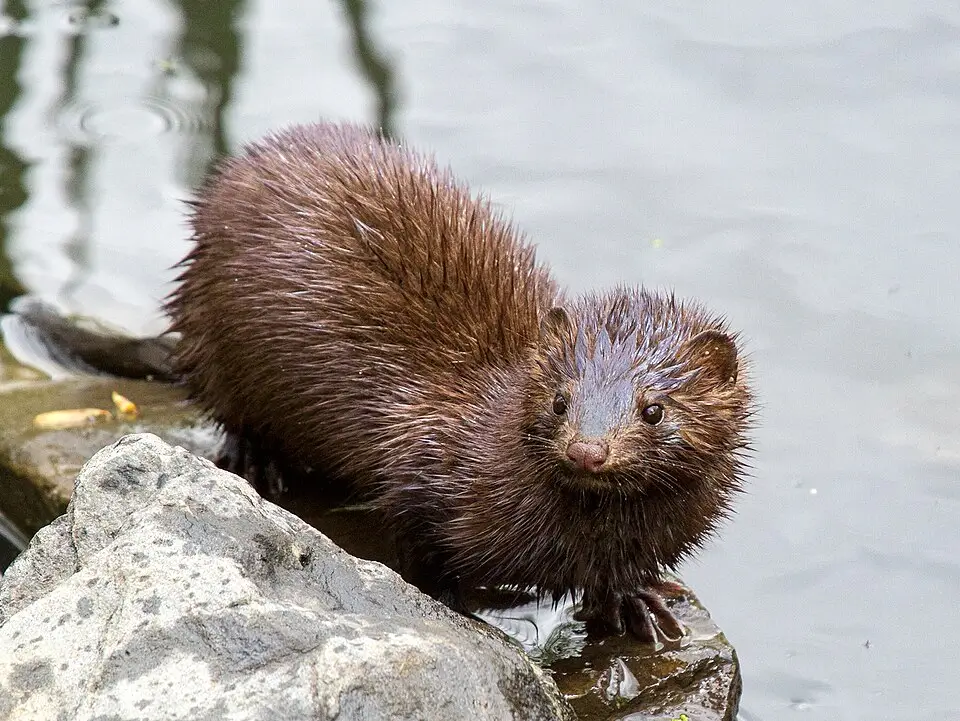
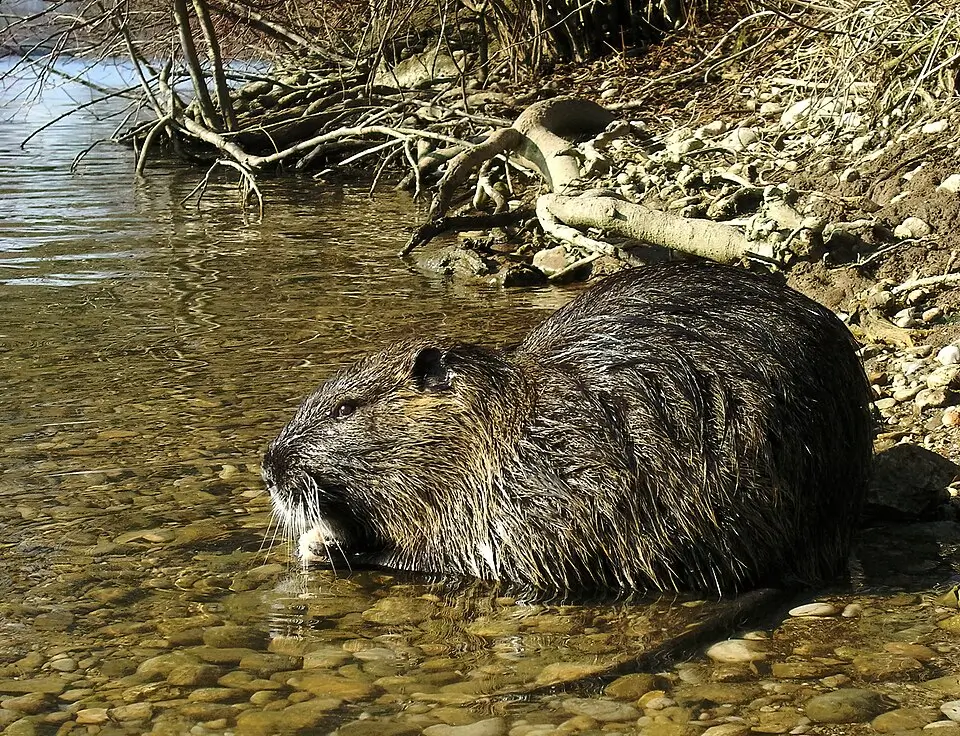
The nutria (Myocastor coypus) is a large rodent that belongs to the family Myocastoridae. Though it is sometimes mistaken for a beaver or a muskrat at first glance, a closer look reveals a set of distinguishing characteristics that set nutria firmly apart from their semi-aquatic relatives.
One of the most immediately recognizable features of the nutria is its large, prominent incisors, which are typically a striking orange or yellow-orange in color. This coloration is the result of iron-rich pigmentation in the enamel — a trait shared by many rodents but particularly pronounced in the nutria. These powerful front teeth are well-suited for the animal's primarily herbivorous diet, allowing it to clip and chew through aquatic vegetation, roots, bark, and other plant material with ease.
Nutria are considerably larger than muskrats but generally smaller than beavers. Adults typically have a robust, barrel-shaped body, with short forelimbs and powerful hind legs. One of the most reliable ways to distinguish a nutria from a beaver in the field is by examining the tail: while beavers possess the iconic broad, flat, paddle-shaped tail, the nutria's tail is long, round, and rat-like in appearance — cylindrical and sparsely haired. This detail is often immediately apparent even from a distance.
The animal's hind feet are partially webbed, reflecting its strong adaptation to aquatic environments. Nutria are capable swimmers and spend a significant portion of their lives in or near water. Their dense, soft underfur — known as "nutria fur" — is covered by an outer coat of longer, coarser guard hairs. This two-layered coat provides insulation and some degree of water resistance, making nutria well-equipped for life in wet environments.
Females possess a distinctive anatomical feature: their mammary glands are positioned high on the sides of the body rather than on the abdomen, allowing mothers to nurse their young while floating in water. This adaptation speaks to just how thoroughly the nutria has evolved for its semi-aquatic lifestyle.
Nutria are known for their prolific reproductive capacity. Females can breed multiple times throughout the year, and litters can be relatively large. Young nutria, called pups, are born in an advanced state of development — fully furred, with their eyes open — and are capable of swimming and feeding on vegetation within a short time after birth. This high reproductive rate is one of the primary reasons nutria populations can grow rapidly under favorable conditions.
As herbivores, nutria feed predominantly on the roots, stems, leaves, and bark of aquatic and riparian vegetation. This feeding behavior, particularly their tendency to consume the roots and rhizomes of marsh plants, can have significant consequences for wetland plant communities. The practice of eating the entire root structure — sometimes referred to as "eat-outs" — can leave large patches of bare, exposed substrate where marsh vegetation once thrived.
Habitat & Range
The nutria is native to South America, where it inhabits subtropical and temperate regions from southern Brazil and Bolivia down through Uruguay, Paraguay, Argentina, and Chile. In its native range, the species occupies freshwater marshes, slow-moving rivers, lakes, and coastal wetlands.
Through a combination of deliberate introduction for the fur trade and accidental releases, nutria have established populations on nearly every continent outside of their native South America and Australia. In North America, nutria populations became established during the twentieth century and have since spread across a broad swath of the southern and mid-Atlantic United States, with the Gulf Coast states — particularly Louisiana — hosting some of the largest and most well-documented populations on the continent.
In Florida, the nutria finds an environment that is, in many ways, ideally suited to its biological needs. Florida's landscape is dominated by water in ways that few other states can match. The state features an enormous network of freshwater marshes, river floodplains, cypress swamps, drainage canals, coastal brackish marshes, and the iconic slow-moving river system of the Everglades. This abundance of wetland habitat, combined with the state's warm climate and the general absence of harsh winter conditions, creates an environment where nutria can thrive year-round.
Nutria tend to establish burrows in the banks of waterways, ditches, levees, and canal systems — behavior that can sometimes affect the structural integrity of earthen embankments over time. Their preference for dense emergent vegetation means they are most commonly encountered in areas where reeds, cattails, bulrushes, and similar aquatic plants are abundant.
Florida's location in the Southeastern and South Atlantic region of the United States, bordered by the Gulf of Mexico to the west, the Atlantic Ocean to the east, and stretching down through one of the longest coastlines in the contiguous United States, provides an extraordinary range of wetland types within a single state. This geographic diversity means that nutria in Florida may be found in a wide variety of wetland settings, from the inland freshwater systems of central and northern Florida to the brackish coastal marshes that fringe the state's extensive shoreline.
Hunting Information
Nutria hunting has a long tradition in the southern United States, particularly in states like Louisiana where the species has been a significant part of both commercial fur trade and wildlife management programs for decades. The sport combines elements of wetland hunting, small game pursuit, and furbearer trapping, making it an accessible and engaging pursuit for a wide range of outdoor enthusiasts.
In Florida, wildlife regulations are overseen by the Florida Fish and Wildlife Conservation Commission (FWC). The FWC manages hunting opportunities across Florida's diverse landscapes, including its extensive network of Wildlife Management Areas (WMAs) and other public lands. The FWC's Hunting Handbook is the primary source for up-to-date regulations covering private and public lands within the state.
Because regulations for species like nutria can vary and are subject to periodic revision, prospective hunters are always encouraged to consult the current FWC Hunting Handbook and the official FWC website — MyFWC.com — for the most current and accurate information regarding seasons, licensing requirements, bag limits, and approved hunting methods. The FWC also provides tools such as quota hunt dashboards and updates on WMA open and closed statuses, making it easier than ever for hunters to plan their outings responsibly and in full compliance with state law.
Nutria hunting and trapping can be conducted in a variety of wetland environments and is generally pursued using firearms, archery equipment, or trapping methods, depending on local regulations and hunter preference. The animals are most active during the early morning and late evening hours, making dawn and dusk the most productive times to hunt near water's edge. Because nutria favor thick emergent vegetation, hunters often benefit from a small boat or canoe to access productive habitat.
Beyond the sporting dimension, harvested nutria have culinary potential as well. Nutria meat is lean and, when properly prepared, is considered palatable and nutritious. In various parts of the world, efforts have been made to promote nutria as a sustainable food source. The fur has historically been valued in the garment industry, though market conditions for raw fur have fluctuated considerably over the years.
Conservation
The conservation conversation surrounding nutria is nuanced and reflects broader discussions about introduced species, wetland health, and the role of hunting and trapping in wildlife management. As a non-native species in North America, nutria do not have a long ecological history in the wetland systems they now inhabit, and their impact on native vegetation communities is a subject of ongoing study and management attention.
At the same time, it is important to acknowledge that nutria are a successful and established species in their North American range, and their management represents a practical application of wildlife stewardship. Programs that engage hunters and trappers in nutria population management have demonstrated the ability of the outdoor community to play a meaningful role in maintaining ecological balance.
In Florida, the FWC works continuously to monitor wildlife populations, assess habitat conditions, and make evidence-based management decisions. The state's remarkable biodiversity — including more than 700 species of vertebrates and an extraordinary array of wetland plant communities — makes thoughtful wildlife management both a challenge and a responsibility that Florida takes seriously.
Hunters and wildlife enthusiasts who engage with nutria in Florida are participating in a long tradition of responsible outdoor recreation that supports both the economy and the ecology of this remarkable state. By following regulations, reporting harvests, and practicing ethical hunting, outdoor participants become active stewards of the landscapes they love.