The North American River Otter: A Fascinating Freshwater Predator
Few animals embody the spirit of North America's wild waterways quite like the North American river otter (Lontra canadensis). Sleek, playful, and remarkably well-adapted to aquatic life, this charismatic mammal has captured the imagination of wildlife enthusiasts, naturalists, and outdoor adventurers for generations. Whether you spot one gliding effortlessly through a slow-moving river, cracking open a shellfish on a flat rock, or sliding down a muddy bank in what appears to be pure, unbridled joy, the North American river otter is an animal that commands attention and admiration.
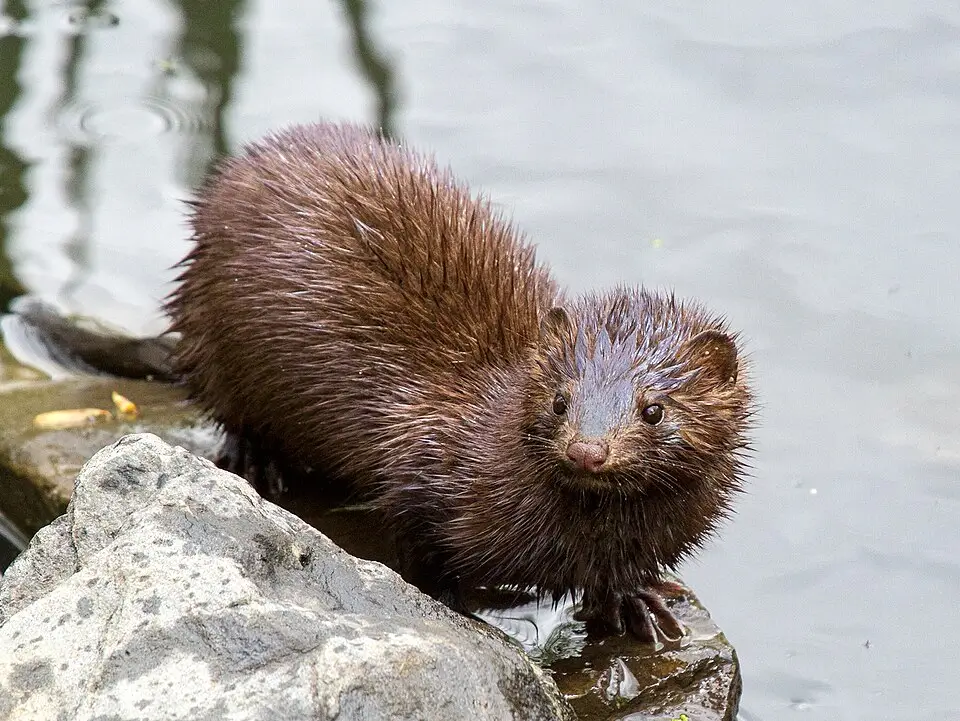
As a member of the family Mustelidae — the same diverse family that includes weasels, minks, badgers, and wolverines — the river otter represents one of nature's most elegant evolutionary achievements. Its body is a masterpiece of aquatic engineering, perfectly shaped for life both in the water and on land. Across North America, from the boreal wetlands of Canada to the subtropical waterways of Florida, this species thrives in a wide variety of freshwater environments, playing a critical role in the ecological balance of the systems it calls home.
This article explores the biology, habitat, conservation, and hunting considerations surrounding Lontra canadensis, with a particular focus on its presence in the state of Florida — a place where its story is especially compelling.
Biological Traits
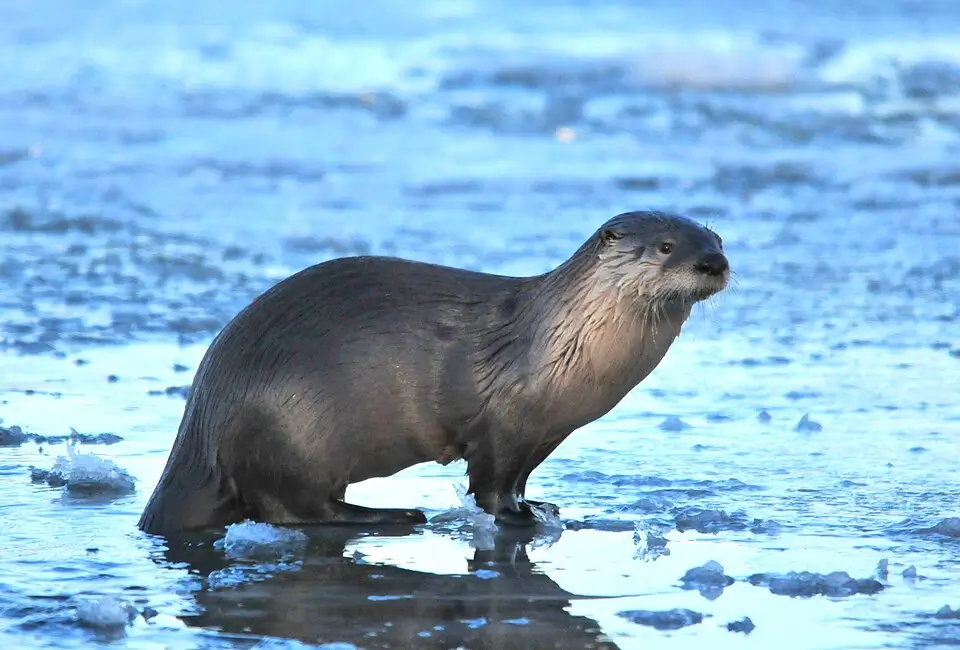
The North American river otter is a medium-to-large semi-aquatic mammal built for performance in the water. Its body is long and streamlined, with a thick, tapered tail that acts as a powerful rudder during swimming. The legs are short but strong, and each foot is webbed, providing excellent propulsion through currents, lakes, and tidal marshes alike.
The fur of the river otter is one of its most remarkable features. It consists of two distinct layers: a dense, soft underfur that traps air and provides insulation against cold water, and a coarser outer layer of guard hairs that repels water and helps maintain body temperature. This double-coat system is so effective that the otter's skin rarely becomes wet, even after extended dives. The coloration is typically a rich, dark brown on the back and sides, transitioning to a paler, often grayish or tan hue on the throat and belly.
River otters are well-known for their sensory adaptations. Their facial whiskers, known as vibrissae, are highly sensitive and help them detect the movement of prey through murky or dark water. Their ears and nostrils can be closed while diving, and their eyes are adapted for vision both above and below the water's surface. These sensory tools make them extraordinarily effective hunters.
As carnivores, North American river otters have a varied diet that shifts depending on season, location, and prey availability. Fish form the backbone of their diet in most regions, but they also consume crustaceans, amphibians, turtles, birds, and small mammals when the opportunity arises. Their strong jaws and sharp teeth allow them to subdue and consume a wide range of prey items.
One of the most endearing aspects of river otter biology is their well-documented playful behavior. Otters — both juvenile and adult — have been observed sliding repeatedly down snow or mud slopes, chasing one another, and manipulating objects seemingly for the joy of it. Scientists believe this play behavior serves important functions, including the development and maintenance of motor skills and social bonding within family groups.
River otters are generally crepuscular to nocturnal, meaning they are most active during dawn, dusk, and nighttime hours, though daytime activity is not uncommon. They are capable of traveling significant distances overland between water bodies, which contributes to their wide distribution across the continent.
Reproduction in Lontra canadensis involves a fascinating biological process called delayed implantation, in which the fertilized egg does not immediately implant in the uterine wall. This allows the timing of birth to be optimized for favorable environmental conditions. Females typically give birth to litters of one to six pups, most commonly two to three. The young are born helpless and dependent but grow quickly, learning to swim under the guidance of their mother before eventually dispersing to establish their own territories.
Habitat & Range
The North American river otter occupies an impressively broad geographic range, stretching from the Pacific Coast to the Atlantic seaboard and from the northern reaches of Canada and Alaska southward into the Gulf Coast states and Florida. This wide distribution speaks to the species' remarkable adaptability — river otters are equally at home in frigid mountain streams, expansive prairie river systems, coastal estuaries, and the warm, subtropical wetlands of the Deep South.
As their name suggests, rivers are central to otter habitat, but these animals are by no means limited to riverine environments. They inhabit lakes, ponds, marshes, swamps, bogs, and coastal waterways, provided that food is abundant and suitable denning sites are available. Otters do not typically excavate their own burrows; instead, they make use of existing structures such as beaver lodges, hollow logs, undercut riverbanks, and dense riparian vegetation for shelter and rearing young.
Water quality and prey availability are the two most critical factors determining otter habitat quality. Because they sit near the top of the aquatic food chain, river otters are considered a strong indicator species — their presence in a watershed generally signals a healthy, functioning aquatic ecosystem.
In the state of Florida, the North American river otter finds an especially rich and diverse set of habitats. Florida's extensive network of rivers, springs, wetlands, coastal marshes, and the vast wilderness of the Everglades provides ideal conditions for otter populations to thrive. From the spring-fed rivers of North-Central Florida to the mangrove-lined estuaries of the southern peninsula, otters are a relatively common sight for those who know where to look. Florida's subtropical climate means that river otters in the state can remain active year-round without the seasonal constraints that affect their northern counterparts.
Hunting Information
The North American river otter has historically been one of the most sought-after furbearers in North America. Its dense, lustrous pelt was prized by Indigenous peoples for millennia and later became a valuable commodity in the European fur trade, which played a major role in the exploration and economic development of the continent. During the height of the fur trade era, river otter populations were placed under considerable pressure across much of their range.
Today, regulated furbearer trapping and hunting seasons for river otters exist in various states and provinces across North America, managed carefully to ensure sustainable harvest levels. These regulations vary considerably by jurisdiction and are based on population assessments, habitat conditions, and conservation goals.
In Florida, wildlife management is overseen by the Florida Fish and Wildlife Conservation Commission (FWC). The FWC administers hunting and trapping regulations through its Hunting Handbook, which summarizes rules for both private and public lands, including Wildlife Management Areas (WMAs). Hunters and trappers interested in pursuing furbearers including river otters in Florida should consult the current FWC Hunting Handbook for the most up-to-date and accurate season dates, licensing requirements, and bag limits, as these regulations are subject to change on a season-by-season basis. The FWC also manages a system of quota hunts for certain species and areas, with planning resources available through its official quota hunt dashboards.
Anyone planning to hunt or trap in Florida is strongly encouraged to visit the FWC's official website and review all applicable regulations before participating. Florida's public shooting ranges and WMAs provide additional resources and infrastructure for hunters across the state.
Conservation
The conservation story of the North American river otter is, in many respects, a genuine success story. By the early twentieth century, habitat loss, water pollution, and unregulated trapping had caused significant population declines and local extinctions across many parts of the species' historical range. Improved environmental protections, cleaner waterways resulting from legislative efforts like the Clean Water Act, regulated harvest, and active reintroduction programs helped populations recover substantially in the latter decades of the twentieth century.
Today, Lontra canadensis is listed as a species of Least Concern by the International Union for Conservation of Nature (IUCN), reflecting its broad distribution and relatively stable populations across much of North America. However, conservation vigilance remains important. River otters remain sensitive to water quality degradation, habitat fragmentation, and the effects of contaminants such as heavy metals and pesticides, which can accumulate through the aquatic food chain.
In Florida, the otter's status is supported by the state's extraordinary network of protected natural areas, including national parks, state parks, national wildlife refuges, and conservation lands managed by the FWC. Continued stewardship of Florida's freshwater and coastal ecosystems — many of which support not only otters but countless other species — is essential to maintaining healthy otter populations into the future.
Citizen science and wildlife monitoring efforts also play a growing role in otter conservation. Wildlife cameras, water quality monitoring programs, and public reporting of otter sightings all contribute valuable data that wildlife managers use to assess population trends and identify areas where intervention may be needed.
The North American river otter stands as a powerful symbol of what thoughtful conservation management can achieve. Its return to rivers and wetlands across the continent is a testament to the resilience of nature and the positive impact of science-based wildlife stewardship.
Conclusion
The North American river otter is far more than just a charming face in a wildlife documentary. It is a keystone component of healthy aquatic ecosystems, a historically significant furbearer, and a compelling indicator of environmental health. Whether you encounter one along a Florida spring run, glimpse a family group in the Everglades, or simply admire this species from afar, the river otter offers a powerful reminder of the richness and vitality of North America's wild places.
For those who pursue outdoor activities in Florida and beyond — whether hunting, trapping, wildlife watching, or simply exploring nature — the river otter is a species worth knowing, respecting, and celebrating.