North American Beaver (Castor canadensis): A Comprehensive Guide
Few animals have shaped the landscape of North America — both literally and historically — quite like the North American beaver (Castor canadensis). Known as nature's most industrious engineer, the beaver is a creature of remarkable intelligence, physical adaptation, and ecological importance. From the icy streams of Canada to the winding waterways of the American South, the beaver has carved out an irreplaceable role in the continent's ecosystems. Its iconic dams and lodges are not merely shelters; they are transformative structures that reshape entire watersheds, creating rich wetland habitats that benefit countless other species.
The beaver holds a unique place in North American culture and history as well. The fur trade that drove European exploration and colonization of the continent was largely built on the back of this remarkable rodent. Beaver pelts were among the most prized commodities of the 17th, 18th, and 19th centuries, fueling economic empires and opening vast wildernesses to exploration. Today, the North American beaver stands as both a wildlife conservation success story and a fascinating subject for naturalists, hunters, and outdoor enthusiasts alike.
Whether you are a wildlife observer hoping to spot a beaver at dusk along a quiet creek, a trapper following a centuries-old tradition, or simply a curious reader wanting to understand more about this extraordinary animal, the story of Castor canadensis is one worth knowing well.
Biological Traits
The North American beaver is the largest rodent native to North America and one of the largest rodents in the entire world, second only to the capybara of South America. As a member of the family Castoridae, the beaver shares its genus with just one other living species — the Eurasian beaver (Castor fiber) — making it part of an ancient and distinguished lineage.
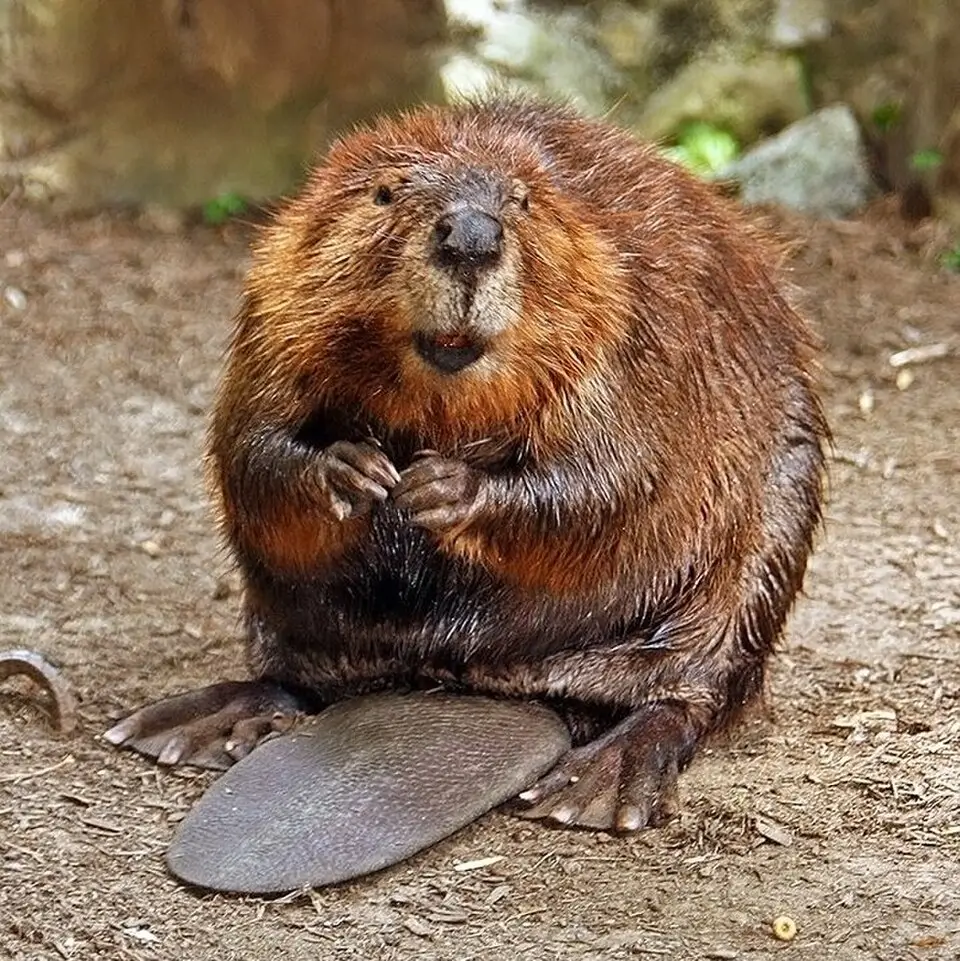
Beavers are immediately recognizable by their broad, flat, paddle-shaped tails, which serve multiple important functions. The tail is used as a rudder while swimming, as a prop while the animal sits upright on land, and as a communication device — a sharp slap of the tail against the water's surface serves as a loud warning signal to other beavers of approaching danger. This tail-slap is one of the most distinctive sounds of any North American wetland.
The beaver's body is built for an aquatic lifestyle. Its hind feet are fully webbed, making it a powerful and graceful swimmer capable of reaching speeds of approximately five miles per hour in the water. Its front paws, by contrast, are dexterous and unwebbed, perfectly suited for manipulating sticks, mud, and other building materials. Beavers can remain submerged for up to 15 minutes at a time, aided by transparent third eyelids (nictitating membranes) that protect their eyes underwater, and specialized valves that close their ears and nostrils when diving.
Perhaps the beaver's most famous anatomical feature is its large, orange-tinted front teeth — the incisors. The distinctive coloring comes from an iron-rich enamel coating that makes the teeth exceptionally hard and durable. These self-sharpening incisors never stop growing throughout the animal's life, which is why beavers must constantly gnaw on wood to keep them worn down to a functional length. A beaver can fell a small tree in a matter of minutes, and larger trees may take a night or more of work.
Beavers are herbivores, feeding primarily on the bark, leaves, and twigs of trees and shrubs, with a particular preference for aspen, willow, birch, alder, and cottonwood. They also consume aquatic plants, roots, and grasses. During the warmer months, beavers are busy not only eating but also caching food — storing branches and vegetation underwater near their lodges to provide sustenance through the winter months when frozen conditions limit their access to fresh forage.
Beavers are monogamous animals that typically mate for life. They live in family units called colonies, which usually consist of a mated adult pair and their offspring from the current and previous year. Young beavers, called kits, are born in late spring and are relatively well-developed at birth — they can swim within hours of being born. Kits typically remain with their parents for about two years before dispersing to establish their own territories and colonies.
The beaver is also the architect of one of nature's most impressive structures: the dam. By felling trees and weaving branches together with mud, stones, and vegetation, beavers construct dams that can range from a few feet to hundreds of feet in length. These dams create the still, deep ponds that beavers require for safety and food storage. The lodges they build within these ponds are equally impressive — mounded structures of sticks and mud with underwater entrances that provide protection from predators such as wolves, coyotes, bears, and otters.
Habitat & Range
The North American beaver enjoys one of the broadest ranges of any large mammal on the continent. Castor canadensis is found from northern Canada and Alaska southward through most of the contiguous United States and into northern Mexico. The species demonstrates remarkable adaptability, occupying a wide variety of aquatic environments including rivers, streams, lakes, marshes, and swamps.
Beavers are fundamentally tied to freshwater ecosystems. They prefer slow-moving or still water with abundant woody vegetation along the banks. In areas where natural ponds or lakes are not present, beavers will create their own through dam-building — a testament to their extraordinary ability to modify their environment to suit their needs.
In the southeastern United States, including the state of Florida, beavers can be found in appropriate freshwater habitats. Florida presents a somewhat unique environment for the species, given its subtropical climate, flat terrain, and extensive network of rivers, streams, and wetlands. The beaver's presence in Florida is largely concentrated in the northern portions of the state, where freshwater streams and rivers with suitable woodland margins provide appropriate conditions.
The broader southeastern landscape — with its abundant waterways, bottomland hardwood forests, and mild winters — supports healthy beaver populations across multiple states. Unlike their northern counterparts, beavers in the South typically do not need to cache as much food for winter survival, given the relatively mild seasonal temperatures.
Hunting and Trapping Information
The North American beaver has been hunted and trapped by humans for thousands of years. Indigenous peoples across the continent utilized beaver for food, fur, and materials long before European contact. The beaver pelt's remarkable warmth and water resistance made it highly desirable, and the beaver became the cornerstone of the North American fur trade during the colonial era.
Today, beaver hunting and trapping continues as a legal and regulated outdoor tradition across much of North America. In many regions, managing beaver populations is also a practical wildlife management tool, as beaver dam-building activity can sometimes affect agricultural land, roadways, and infrastructure.
For those interested in pursuing beaver in Florida, the Florida Fish and Wildlife Conservation Commission (FWC) is the governing authority for all hunting and trapping regulations in the state. The FWC publishes a comprehensive Hunting Handbook that summarizes regulations for private and public lands across Florida. The Commission also manages Wildlife Management Areas (WMAs) throughout the state, and hunters and trappers are encouraged to check the current open and closed status of FWC-managed areas before planning any outing.
It is important for anyone interested in pursuing beaver in Florida or any other state to consult the most current regulations from the relevant wildlife agency, as rules regarding seasons, licenses, methods, and bag limits can change from year to year. Always ensure you have the appropriate licenses and permits before participating in any hunting or trapping activity.
Conservation
The conservation story of the North American beaver is one of the most encouraging in the history of wildlife management. By the early 20th century, rampant unregulated trapping during the fur trade era had dramatically reduced beaver populations across much of their historic range. In many areas, the species had been entirely extirpated.
Through carefully implemented conservation and reintroduction programs throughout the 20th century, beaver populations have made a remarkable comeback. Today, Castor canadensis is listed as a species of Least Concern by the International Union for Conservation of Nature (IUCN), reflecting the success of these recovery efforts and the species' broad current distribution.
Beyond their own recovery, beavers play an enormously important role in ecosystem health — a role that has gained increasing scientific appreciation in recent decades. Beaver-created wetlands are among the most biologically productive ecosystems in North America. The ponds, marshes, and flooded meadows that result from beaver dam-building provide critical habitat for fish, amphibians, waterfowl, songbirds, mammals, and a vast array of invertebrates. Beaver wetlands also help filter water, reduce downstream flooding, recharge groundwater supplies, and sequester carbon — benefits that have led many conservation scientists and land managers to actively promote beaver presence on the landscape.
In this light, the North American beaver is much more than a game animal or a historical commodity. It is a keystone species — one whose presence fundamentally shapes the ecosystems it inhabits, for the benefit of a remarkable diversity of life.