The Muskrat (Ondatra zibethicus): A Fascinating Semi-Aquatic Mammal of North America
Few creatures embody the quiet industriousness of North America's wetland ecosystems quite like the muskrat. Known scientifically as Ondatra zibethicus, the muskrat is a medium-sized, semi-aquatic rodent that has captured the attention of naturalists, trappers, wildlife enthusiasts, and hunters for centuries. With its remarkable adaptability, distinctive musky scent, and engineering prowess in aquatic environments, the muskrat occupies a unique and important niche in the ecosystems it inhabits.
Despite its name, the muskrat is not a rat in the traditional sense. While it belongs to the order Rodentia, it is more closely related to voles and lemmings than to true rats. It is, in fact, the sole member of the genus Ondatra, making it a truly distinctive species within the animal kingdom. The muskrat's name is derived from two prominent characteristics: the musky odor it produces from specialized glands and its superficial resemblance to a rat in body shape and size.
For generations, muskrats have held significant cultural and economic importance across North America. Their thick, dense fur was once among the most commercially valuable pelts traded in the North American fur market, driving early exploration and commerce throughout the continent. Today, they remain a subject of admiration and interest for wildlife observers, conservation-minded hunters, and trappers who appreciate the species for both its ecological role and its heritage significance.
This article explores the biology, habitat, range, and hunting considerations associated with the muskrat, with a particular focus on its presence and relevance in Florida and the broader southeastern United States.
Biological Traits
The muskrat (Ondatra zibethicus) is a robust, well-adapted mammal purpose-built for life in and around water. Understanding its physical characteristics and behavioral traits is essential for anyone who hopes to observe, study, or pursue this remarkable animal.
Physical Appearance
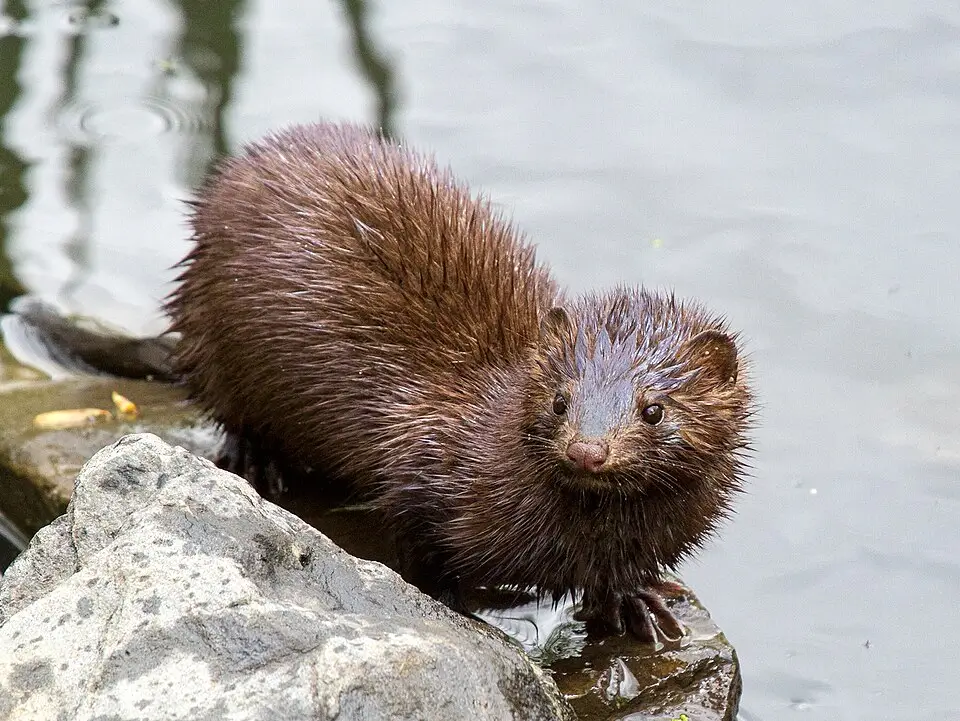
Muskrats are medium-sized rodents, generally larger than most common rats but smaller than beavers, with which they are sometimes compared due to shared aquatic habits. They possess a stout, compact body covered in two distinct layers of fur: a coarse, waterproof outer coat and a dense, soft underfur that provides insulation against cold water temperatures. Their fur coloration typically ranges from dark brown on the back and sides to a lighter, grayish-brown on the belly, though individual coloration can vary.
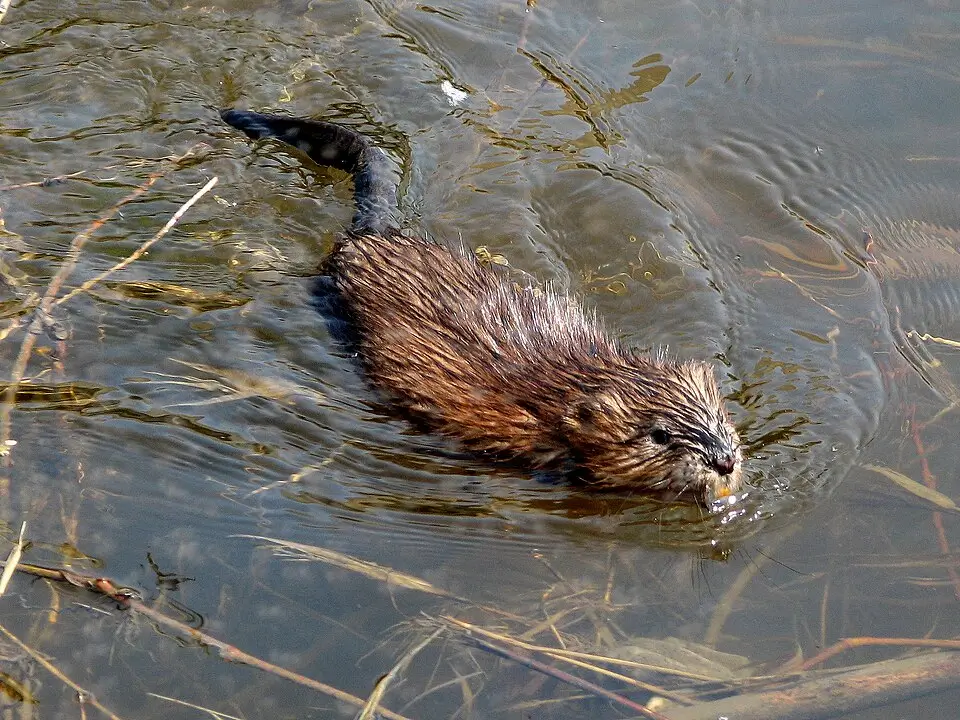
One of the muskrat's most distinctive physical features is its laterally flattened tail, which differs markedly from the round tail of a true rat. This specialized tail acts as a rudder and provides additional propulsion during swimming, making the muskrat a highly capable aquatic navigator. Their hind feet are partially webbed, further aiding in their swimming ability, while their front paws are smaller and dexterous, well-suited for manipulating aquatic vegetation and building materials.
Senses and Adaptations
Muskrats are superbly adapted for semi-aquatic life. They are capable swimmers that can remain submerged for significant periods, thanks to physiological adaptations that allow them to slow their heart rate and conserve oxygen while underwater. Their eyes and nostrils are positioned high on the head, allowing them to remain alert to surface conditions while mostly submerged — a classic prey-animal strategy for avoiding predators.
The muskrat's namesake musk is produced by glands located near the base of the tail. This musky secretion plays an important role in communication between individuals, marking territories and signaling reproductive readiness during the breeding season.
Diet
Muskrats are primarily herbivores, feeding on a wide variety of aquatic and emergent vegetation. Their preferred foods include cattails, sedges, rushes, water lilies, and other marsh plants, though they are known to supplement their diet with invertebrates, small fish, frogs, and freshwater mussels on occasion, particularly when plant food is scarce. This dietary flexibility makes them highly adaptable across a range of wetland environments.
Reproduction and Lifespan
Muskrats are prolific breeders, a characteristic common among many small to medium-sized rodents. Females can produce multiple litters per year, with litter sizes typically ranging from several to many young depending on environmental conditions. Their reproductive rate allows populations to recover quickly following periods of decline, contributing to their overall resilience as a species. In the wild, muskrats typically have relatively short lifespans due to predation pressure, though they can live several years under favorable conditions.
Lodges and Burrows
Perhaps the most iconic behavioral trait of the muskrat is its construction of dome-shaped lodges built from aquatic vegetation, mud, and other available materials. These structures, often seen rising above the surface of marshes and ponds, serve as both shelter and nursery for muskrat families. In areas where suitable banks are available, muskrats may instead excavate burrows into the mud, creating networks of underwater tunnels that open below the waterline for added protection against predators. Both construction methods demonstrate the muskrat's impressive engineering instincts.
Habitat & Range
General Range
The muskrat is one of North America's most widely distributed native mammals. Its range extends from Alaska and Canada in the north, southward across the continental United States, and into portions of northern Mexico. The species has also been introduced to parts of Europe and Asia, where it has established thriving populations in many regions.
Preferred Habitats
True to their semi-aquatic nature, muskrats are found wherever suitable wetland habitats exist. They thrive in freshwater marshes, swamps, ponds, lakes, rivers, streams, and man-made water features such as irrigation canals and retention ponds. The most essential habitat requirement is the presence of shallow water with abundant emergent or aquatic vegetation, which provides both food and building materials.
Cattail marshes are among the muskrat's most preferred habitats, as cattails provide an essentially year-round food source as well as ideal lodging materials. Muskrats also inhabit brackish coastal marshes, demonstrating a degree of salinity tolerance not common among freshwater-adapted rodents.
Muskrats in Florida
Florida, with its vast network of freshwater wetlands, river systems, swamps, and marshes, provides potentially suitable habitat for muskrats in some regions of the state. The Sunshine State is widely recognized for its extraordinary biodiversity and the ecological importance of its wetland systems, including the iconic Everglades, numerous river floodplains, and countless interior marshes and lakes.
It is worth noting that Florida's subtropical and tropical climate represents the extreme southern edge of suitable muskrat habitat in the eastern United States, and the species' distribution within the state may be limited compared to more northern states. Wildlife enthusiasts in Florida who encounter muskrats are likely to do so in the northern portions of the state, where the climate and wetland characteristics are more closely aligned with the species' core range. The Florida Fish and Wildlife Conservation Commission (FWC) oversees wildlife management throughout the state, including regulations pertaining to furbearers and other species.
Hunting and Trapping Information
The muskrat has a long and storied history in North American hunting and trapping tradition. For centuries, muskrat fur was among the most commonly traded pelts in the continent's fur industry, and muskrat trapping remains a respected tradition in many rural communities across the United States and Canada.
Hunters and trappers pursuing muskrats typically employ a variety of methods, including foothold traps, body-gripping traps, and cage traps set along watercourses, at lodge entrances, or near active feeding areas. Muskrat lodges and slides — worn pathways leading from the water to feeding areas — are reliable indicators of active muskrat activity and are key locations for setting traps.
In Florida, all hunting and trapping activities are regulated by the Florida Fish and Wildlife Conservation Commission (FWC). The FWC manages hunting regulations through its comprehensive Hunting Handbook, which summarizes regulations for both public and private lands across the state. Hunters and trappers interested in pursuing muskrats or any other furbearer species in Florida are strongly encouraged to consult the most current FWC Hunting Handbook and visit the official FWC website for the most up-to-date licensing requirements, season dates, and applicable regulations, as these can change from year to year.
Because the source data available for this article does not include specific season dates or licensing requirements for muskrat hunting in Florida, readers should refer directly to the FWC for accurate, current regulatory information before planning any hunting or trapping activities. The FWC's official hunting portal provides resources including quota hunt dashboards, public shooting range locators, and up-to-date information on Wildlife Management Area (WMA) closures and status updates — all valuable tools for the responsible Florida hunter.
Conservation
The muskrat's conservation status is generally considered stable across much of its range. The species' prolific reproductive capacity, dietary flexibility, and broad habitat tolerance have allowed it to maintain healthy populations even in areas subject to significant human modification of the landscape. In many regions, muskrat populations are actively managed to ensure sustainable numbers for both ecological health and harvesting purposes.
Muskrats play an important ecological role in the wetland communities they inhabit. Through their feeding habits — particularly their harvesting of cattails and other emergent vegetation — muskrats help maintain open water areas within dense marsh vegetation, creating habitat diversity that benefits a wide range of other species, including waterfowl, wading birds, and fish. Their lodges also provide resting and nesting platforms for various bird species.
However, muskrat populations can be sensitive to significant changes in wetland hydrology, water quality, and habitat availability. Wetland drainage, pollution, and prolonged drought can negatively impact muskrat numbers in localized areas. Conservation efforts focused on wetland preservation and restoration — a major priority in states like Florida with significant wetland ecosystems — also benefit muskrat populations indirectly.
The long tradition of regulated hunting and trapping of muskrats in North America has generally coexisted well with the species' conservation needs, as regulated harvest tends to maintain populations within the carrying capacity of available habitat. Wildlife managers continue to monitor muskrat populations as part of broader furbearer management programs in states across the country.
For Florida residents and visitors who wish to observe muskrats in the wild, visiting well-managed freshwater wetlands, particularly in the northern regions of the state, offers the best opportunities. Patience, quiet movement, and an eye for the characteristic dome-shaped lodges or V-shaped swimming wakes on calm water are the keys to a rewarding muskrat-watching experience.
Conclusion
The muskrat — Ondatra zibethicus — is a testament to nature's capacity to produce remarkably well-adapted creatures from seemingly humble beginnings. From its waterproof coat and rudder-like tail to its industrious lodge-building and important ecological role, the muskrat is a species worthy of both appreciation and responsible stewardship. Whether you encounter one silently swimming through a Florida marsh at dawn or study its distinctive lodge rising above a northern wetland, the muskrat offers a fascinating window into the richness of North America's aquatic wildlife heritage.