The Groundhog (Marmota monax): A Fascinating Look at North America's Most Famous Burrower
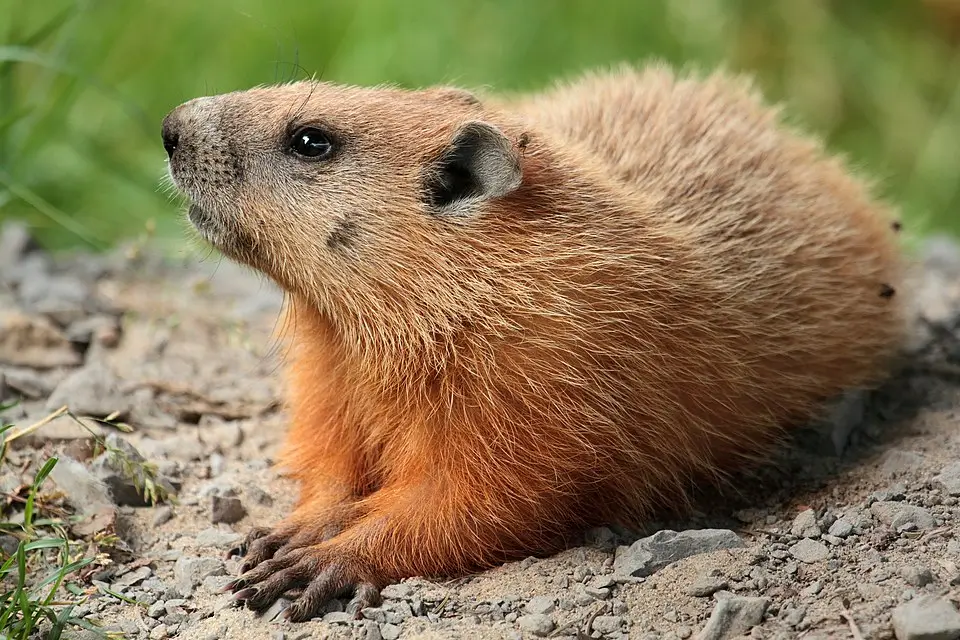
Few animals in North America have captured the public imagination quite like the groundhog. Known colloquially as the woodchuck, whistle-pig, or land beaver, the groundhog (Marmota monax) occupies a unique cultural space in the American consciousness — most famously celebrated every February 2nd when the nation collectively holds its breath to see whether a sleepy rodent will cast a shadow and predict the coming of spring. But beyond the folklore and festivity, the groundhog is a genuinely remarkable creature: a stocky, industrious mammal that plays a meaningful ecological role across a wide swath of the North American continent.
Whether you encounter one grazing along a highway median, peering out from beneath a garden shed, or emerging from a carefully excavated burrow at the edge of a meadow, the groundhog deserves a closer look. This comprehensive article explores the biology, habitat, behavior, cultural significance, and conservation status of this beloved and fascinating animal.
Biological Traits
The groundhog, Marmota monax, belongs to the order Rodentia and the family Sciuridae — the same family that includes squirrels, chipmunks, and prairie dogs. As the largest member of the squirrel family found across much of its range, the groundhog is a robust and well-adapted mammal built for a life divided between the surface world and the underground.
Groundhogs are classic examples of true hibernators. Unlike many animals that simply slow their activity during winter, groundhogs enter a deep physiological state of torpor during the colder months. Their body temperature drops dramatically, their heart rate slows to just a few beats per minute, and their breathing becomes shallow and infrequent. This deep hibernation typically lasts from late autumn through late winter or early spring, though the precise timing varies by geography and individual animal condition.
Before entering hibernation, groundhogs spend the late summer and early fall months in an intensive feeding period, accumulating substantial fat reserves to fuel their bodies through the long winter sleep. They are herbivores by nature, with a diet consisting primarily of grasses, clover, alfalfa, dandelion, and a variety of other leafy plants and agricultural crops. They will also occasionally consume fruits, bark, and insects, though plant matter forms the overwhelming bulk of their diet.
One of the groundhog's most defining characteristics is its extraordinary capacity for digging. Using their strong, curved front claws and powerful forelimbs, groundhogs construct elaborate burrow systems that can extend six feet deep and up to 60 feet in length. These burrows typically feature multiple entrances, nesting chambers lined with dried grasses, and separate latrine areas — a level of architectural sophistication that reflects the groundhog's intelligence and adaptability. The burrows provide shelter from predators, a safe place to raise young, and a protected environment for hibernation.
Groundhogs are generally solitary animals outside of the mating season. Mating occurs in early spring, shortly after the animals emerge from hibernation, and females give birth to litters typically ranging from two to six young after a gestation period of approximately 31 to 32 days. The young, called kits or pups, are born blind, hairless, and entirely dependent on their mother. They grow rapidly and are usually weaned and beginning to venture outside the burrow by early summer, dispersing to establish their own territories before the arrival of autumn.
In terms of communication, the groundhog is a notably vocal animal — a fact reflected in one of its common names, the "whistle-pig." When alarmed, groundhogs emit a sharp, high-pitched whistle to alert nearby individuals of potential danger. They also produce low barks, squeals, and a chattering sound made by grinding their teeth. These vocalizations, combined with scent marking, form the foundation of groundhog social communication.
The groundhog's natural predators include foxes, coyotes, bobcats, large hawks, eagles, and domestic dogs. When threatened, a groundhog will typically retreat rapidly to its burrow, but when cornered, it is capable of defending itself aggressively with its sharp incisor teeth and strong claws.
Habitat & Range
The groundhog is native to North America and enjoys one of the most extensive ranges of any member of the marmot genus. Its range stretches from the southeastern United States northward through the eastern and central portions of the continent into Canada and Alaska. The species is particularly abundant in the eastern and midwestern United States, where a combination of open meadows, forest edges, and agricultural land provides ideal habitat.
Groundhogs favor transitional zones between open areas and woodland — environments that offer both ample foraging opportunities and proximity to the tree cover or dense vegetation that provides escape routes from predators. Meadows, open fields, pastures, roadsides, stream banks, and the edges of forests are all classic groundhog habitats. They are equally comfortable in rural farmland, suburban green spaces, and even some semi-urban environments where human disturbance is moderate.
The species demonstrates considerable adaptability in terms of habitat use. As human development has transformed large portions of the North American landscape, creating fragmented forests and expanding agricultural and suburban areas, groundhogs have often thrived in these altered environments. The clearing of forests and the expansion of open land in many regions has, in some respects, benefited groundhog populations by increasing the type of edge habitat they prefer.
Regarding Florida specifically, the groundhog's natural range does not extend deeply into the peninsula. Florida's subtropical climate, distinct from the temperate forests and meadows where groundhogs most commonly thrive, falls outside the primary range of this species. Florida is home to an extraordinary diversity of native wildlife adapted to its unique coastal, wetland, and subtropical ecosystems, and the groundhog is not considered a characteristic resident of the Sunshine State in the way it is across much of the eastern and midwestern United States.
Hunting Information
In states and regions where the groundhog is present in significant numbers, hunting has historically served as a popular and practical pursuit. Groundhog hunting, sometimes referred to as "varmint hunting," is appreciated both for the recreational challenge it presents and for its practical value in agricultural settings, where large groundhog populations can cause damage to crops and create hazardous burrowing in fields and pastures.
Groundhog hunting is widely considered an excellent way for hunters — particularly newer or younger hunters — to develop and sharpen their marksmanship skills. Because groundhogs are often targeted at long range across open fields and meadows, the pursuit encourages proficiency with rifles, understanding of ballistics, and disciplined shooting technique. Many experienced hunters credit groundhog hunting as a formative part of their development as marksmen.
Hunters typically pursue groundhogs during the warmer months, from late spring through early autumn, when the animals are active above ground and engaged in their intensive feeding behavior before winter hibernation. Patience and observation are key virtues in groundhog hunting — much of the time is spent glassing fields and meadows, spotting animals at distance, and carefully planning an approach or shot.
With respect to Florida, the Florida Fish and Wildlife Conservation Commission (FWC) manages hunting regulations for the state, and hunters should always consult the most current FWC Hunting Handbook for information on regulated species, seasons, and licensing requirements. For specific regulations related to any species in Florida, the FWC's official resources remain the authoritative and up-to-date reference.
Conservation
The groundhog is currently listed as a species of least concern from a conservation standpoint. Its populations are considered stable and, in many areas, quite robust. The species' adaptability to a wide range of habitats, including human-modified landscapes, has allowed it to maintain healthy numbers across most of its natural range.
The groundhog also plays an important ecological role that is often underappreciated. Its extensive burrowing activity aerates and loosens soil, improving soil quality and contributing to the health of local ecosystems. Abandoned groundhog burrows are frequently taken over and used as dens by a wide variety of other wildlife species, including rabbits, foxes, skunks, opossums, and snakes. In this way, the groundhog functions as an ecosystem engineer, creating habitat structures that benefit a broad community of animals.
As herbivores, groundhogs contribute to seed dispersal and influence local plant community composition through their foraging activities. They also serve as an important prey species for a range of predators, occupying a significant position in the food webs of the ecosystems they inhabit.
The groundhog's cultural significance extends far beyond ecology. As the central figure in Groundhog Day, celebrated each February 2nd, the groundhog holds a unique place in North American folklore and popular culture. The tradition, rooted in older European weather-prediction customs, has endured and evolved into a beloved annual celebration, with Punxsutawney Phil of Punxsutawney, Pennsylvania, serving as the most famous individual groundhog on the continent.
Looking forward, the groundhog's future appears secure. Its flexibility, reproductive capacity, and broad ecological tolerances position it well to persist across North America for generations to come. Appreciating the groundhog — not just as a cultural icon or an agricultural nuisance, but as a genuinely interesting and ecologically valuable mammal — enriches our understanding of the natural world around us.