Fox Squirrel (Sciurus niger): A Complete Guide to North America's Largest Tree Squirrel
Few woodland creatures capture the imagination of hunters and wildlife enthusiasts quite like the fox squirrel. Known scientifically as Sciurus niger, the fox squirrel holds the distinction of being the largest tree squirrel native to North America. With its bold coloration, impressive size, and wide geographic range, this charismatic rodent has earned a devoted following among small game hunters, wildlife photographers, and naturalists alike.
In states like Florida, where diverse ecosystems range from longleaf pine savannas to hardwood hammocks and coastal marshlands, the fox squirrel occupies a particularly important ecological niche. Its presence is often considered an indicator of healthy, well-managed habitat — a living symbol of thriving open woodland environments. Whether you are a seasoned hunter looking to add a challenging and rewarding small game pursuit to your season, or simply a wildlife enthusiast eager to learn more about the natural world, the fox squirrel offers an endlessly fascinating subject of study.
This guide explores the biology, habitat preferences, geographic range, hunting traditions, and conservation status of the fox squirrel, with special attention to the species as it exists in the state of Florida.
Biological Traits
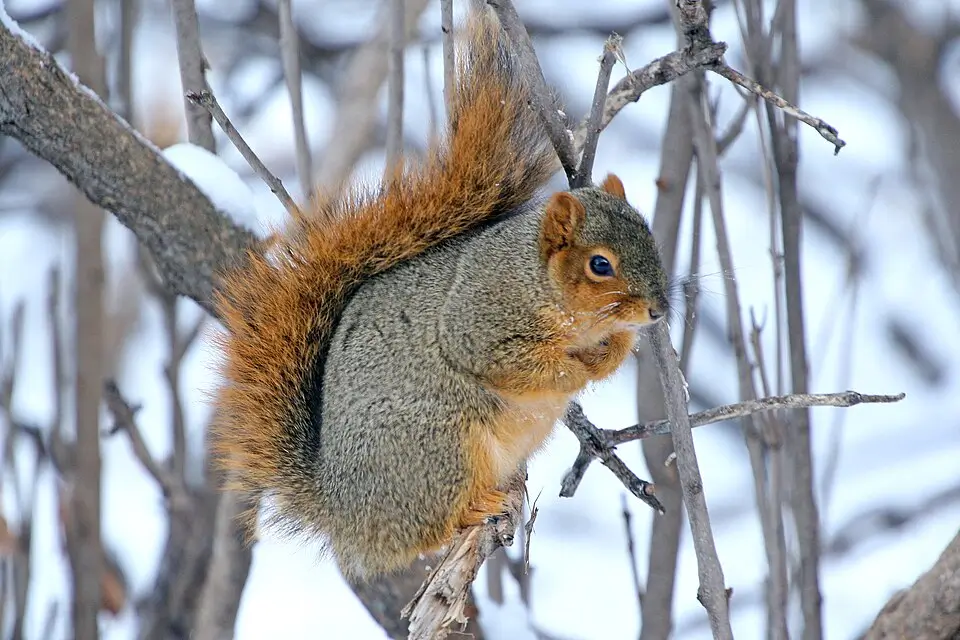
The fox squirrel (Sciurus niger) belongs to the family Sciuridae, the large and diverse family of squirrels that includes tree squirrels, ground squirrels, chipmunks, marmots, and flying squirrels. Within this family, Sciurus niger stands out for its remarkable size. Adult fox squirrels typically weigh between 1.5 and 2.5 pounds, though some individuals can reach up to 3 pounds or slightly more. Their body length, from nose to the base of the tail, generally ranges from 10 to 15 inches, with the bushy tail adding an additional 8 to 13 inches. Compared to the more commonly encountered eastern gray squirrel (Sciurus carolinensis), the fox squirrel is substantially larger and more robust in build.
One of the most striking characteristics of the fox squirrel is its highly variable coloration. Across its range, individuals can display a wide spectrum of coat colors, from rusty orange and tawny buff to gray, black, and even combinations thereof. In the southeastern United States and particularly in Florida, it is common to encounter fox squirrels with black heads and white noses, a color pattern that can make them look almost exotic compared to their gray squirrel cousins. This variability in coloration is one reason why multiple subspecies of Sciurus niger have been identified and described by wildlife biologists over the years.
Fox squirrels are diurnal animals, meaning they are most active during daylight hours. They tend to move more slowly and deliberately than the quick, nervous gray squirrel, and they spend more time on the ground foraging. This terrestrial foraging behavior is one reason why experienced hunters find them both accessible and rewarding to pursue. Their diet is broad and opportunistic, including acorns, hickory nuts, pine seeds, fungi, fruits, berries, insects, and occasionally bird eggs. Like other squirrels, fox squirrels engage in scatter-hoarding — burying food caches across their territory to retrieve during leaner months. This behavior plays an important ecological role in seed dispersal, inadvertently planting new trees and contributing to forest regeneration.
Reproduction in fox squirrels typically occurs twice per year, with litters of two to four young being born in late winter and again in midsummer. Young fox squirrels are born hairless and helpless, relying entirely on their mother for warmth and nourishment during their early weeks of life. By approximately three months of age, they are largely independent and begin to explore and establish their own home ranges. Fox squirrels are not particularly social animals; adults tend to be solitary except during the breeding season.
One additional behavioral trait worth noting is the fox squirrel's relatively large home range compared to other tree squirrels. An individual fox squirrel may roam over 100 acres or more in search of food and mates, particularly in open pine flatwood habitats where food resources may be more dispersed. This wide-ranging behavior makes them somewhat less predictable and more challenging to locate consistently, which adds to the sport and appeal of hunting them.
Habitat & Range
The fox squirrel is found across a broad swath of North America, ranging from the eastern seaboard westward through the Great Plains, and from southern Canada south to the Gulf Coast and Florida. Within this range, habitat preferences can vary considerably by subspecies and region, but fox squirrels generally favor open, park-like woodlands with a mix of mature trees and relatively open understory.
In the eastern and southeastern United States, fox squirrels are particularly associated with longleaf pine (Pinus palustris) ecosystems — the fire-maintained savannas and flatwoods that once covered tens of millions of acres across the Southeast. These habitats, characterized by widely spaced pines, diverse ground cover of wiregrass and wildflowers, and periodic fire, provide ideal conditions for fox squirrels. The open understory allows them to forage on the ground with good visibility, while the mature pines and scattered oaks provide both food and nesting sites.
Florida, with its unique blend of ecosystems, represents one of the more distinctive parts of the fox squirrel's range. The state's longleaf pine savannas, sandhill communities, turkey oak barrens, and mixed pine-hardwood forests all provide potential fox squirrel habitat. Florida's geography — a long peninsula flanked by the Gulf of Mexico to the west and the Atlantic Ocean to the east — creates a mosaic of habitats that support a rich variety of wildlife, and the fox squirrel is very much a part of that tapestry.
The Sherman's fox squirrel (Sciurus niger shermani) is a recognized subspecies endemic to Florida and is named in honor of the American mammalogist H.B. Sherman. This subspecies is found primarily in the northern and central portions of the Florida peninsula and is known for the distinctive black-and-white facial coloring described earlier. The Sherman's fox squirrel is emblematic of the open pine habitats of the Florida interior and is a species of special concern in the state, reflecting both its ecological specificity and the pressures its preferred habitats have faced over time.
Hunting Information
Fox squirrels have a long and storied tradition as a small game quarry across their range. Their large size, bold presence, and tendency to forage openly on the ground make them an appealing target for hunters of all experience levels. At the same time, their relatively low population densities compared to gray squirrels, their wide-ranging habits, and their preference for specific habitat types mean that consistently locating and harvesting fox squirrels requires genuine woodsmanship and knowledge of the landscape.
For hunters pursuing fox squirrels in Florida, the Florida Fish and Wildlife Conservation Commission (FWC) is the regulatory authority responsible for managing hunting seasons, bag limits, and licensing requirements. The FWC publishes its regulations annually through the Florida Hunting Handbook, which provides comprehensive guidance on season dates, legal methods of take, and required licenses and permits. Hunters are strongly encouraged to consult the current edition of the Florida Hunting Handbook and the official FWC website at MyFWC.com for the most up-to-date and accurate regulations before heading afield, as rules can change from season to season.
Florida offers both public and private land hunting opportunities for small game including squirrels. Wildlife Management Areas (WMAs) managed by the FWC provide publicly accessible hunting lands across a variety of habitat types throughout the state. Hunters planning to pursue fox squirrels on WMAs should be aware that some areas may have specific regulations, quota hunt requirements, or seasonal closures, all of which are tracked and published through the FWC's online resources and the MyFWC.com/Notices platform.
Traditional hunting methods for fox squirrels include still hunting, in which the hunter moves slowly and quietly through suitable habitat watching for movement and listening for the sounds of squirrels feeding in the canopy or on the ground; and stand hunting, in which the hunter positions themselves near a known feeding area, travel corridor, or mast-producing tree and waits patiently for squirrels to appear. Both methods can be highly productive, and many seasoned fox squirrel hunters develop a preference for one approach or the other based on their personal style and the specific habitats they hunt.
Firearms used for fox squirrel hunting commonly include .22 caliber rimfire rifles, small-bore shotguns such as .410 or 20 gauge, and occasionally larger gauge shotguns. Each option has its proponents, and the choice often comes down to habitat conditions, shooting distances, and personal preference. Archery equipment is also legal for squirrel hunting in many jurisdictions, adding an additional dimension of challenge for those so inclined.
Conservation
Conservation of the fox squirrel is closely tied to the conservation of its preferred habitats, particularly the longleaf pine ecosystems of the southeastern United States. Longleaf pine savannas, once one of the most extensive ecosystems in North America, have been dramatically reduced in area over the past two centuries due to timber harvesting, fire suppression, agricultural conversion, and urban development. As these habitats have declined, fox squirrel populations have contracted and fragmented in many parts of their range.
In Florida, the Sherman's fox squirrel is listed as a Species of Special Concern by the FWC, reflecting the importance of ongoing monitoring and thoughtful land management for this distinctive subspecies. Conservation efforts that benefit fox squirrels include prescribed fire management to maintain open understory conditions in pine habitats, habitat restoration initiatives focused on longleaf pine restoration, and land conservation programs that protect large tracts of suitable habitat from development.
Hunters themselves play an important role in fox squirrel conservation. Through license fees and excise taxes on sporting equipment — funds channeled through programs such as the Federal Aid in Wildlife Restoration Act — hunters contribute financially to the wildlife management programs that benefit fox squirrels and countless other species. Responsible, regulated hunting is fully compatible with healthy fox squirrel populations and has coexisted with conservation goals for generations.
For wildlife enthusiasts and hunters alike, the fox squirrel stands as a symbol of wild, open woodlands managed with care and respect. Protecting the ecosystems this species depends upon is not only good for the fox squirrel — it supports an entire community of plants and animals that share these beautiful and increasingly rare landscapes.