The Florida Black Bear: A Comprehensive Guide to the Sunshine State's Largest Land Mammal
Few wildlife encounters in the American Southeast carry the same sense of wonder and primal connection as spotting a Florida black bear moving through the palmetto scrub at dawn. As Florida's largest native land mammal, the Florida black bear (Ursus americanus floridanus) stands as an enduring symbol of the wild heart that still beats beneath the Sunshine State's sun-soaked surface. Despite rapid human development and decades of habitat pressure, this remarkable animal has demonstrated extraordinary resilience, carving out its existence in forests, swamps, and scrublands across a state better known for theme parks and beach resorts than wilderness adventures.
The Florida black bear is a subspecies of the American black bear (Ursus americanus), one of the most recognizable and widely distributed bear species in North America. What makes the Florida variety distinct, however, is its adaptation to a uniquely subtropical environment — a landscape shaped by sandy soils, seasonal flooding, and a mosaic of ecosystems found virtually nowhere else on Earth. Understanding this animal requires understanding Florida itself: a peninsula stretching between the Gulf of Mexico and the Atlantic Ocean, boasting the longest coastline of any contiguous U.S. state, and harboring biodiversity that rivals regions many times its size.
Whether you are a wildlife enthusiast, a hunter, a conservationist, or simply a curious Floridian who found bear tracks in your backyard, this guide offers a thorough look at one of the state's most captivating wild residents.
Biological Traits
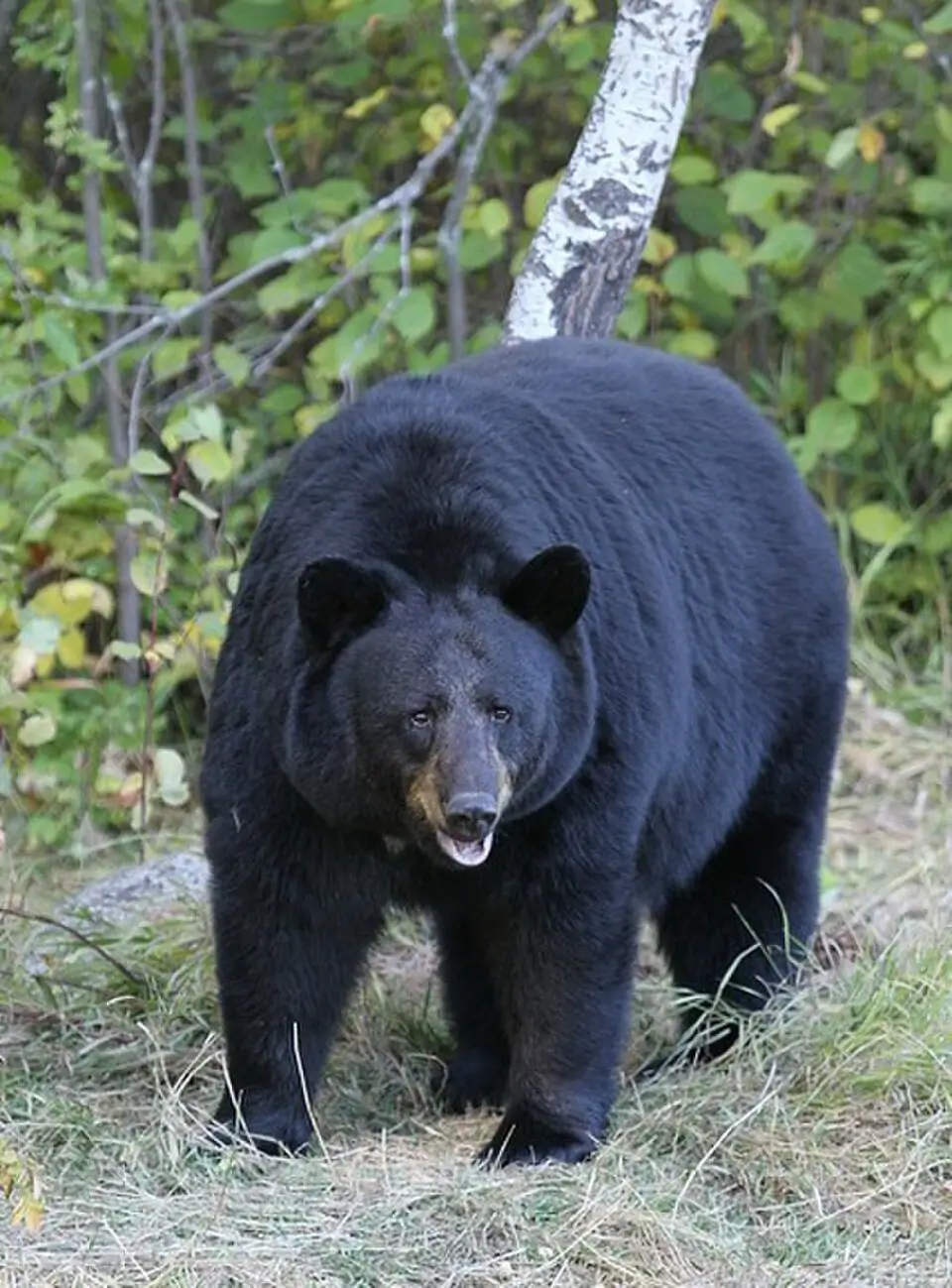
The Florida black bear, classified scientifically as Ursus americanus floridanus, belongs to the family Ursidae and the order Carnivora, though it is famously omnivorous in its dietary habits. Like all American black bears, the Florida subspecies is characterized by its stocky, powerful build, rounded ears, a short tail, and relatively small eyes. Its coat is typically a rich, uniform black, though some individuals may display a brownish muzzle or a small patch of white on the chest — a trait not uncommon among black bear subspecies across North America.
What distinguishes Ursus americanus floridanus from its northern and western relatives is a combination of physical and behavioral adaptations suited to Florida's warm, humid climate. Because Florida does not experience the prolonged, harsh winters common to more northerly states, Florida black bears engage in a form of dormancy that is less consistent and less physiologically extreme than the true hibernation observed in bears from colder regions. In fact, Florida black bears — particularly males and non-pregnant females — may remain active throughout much of the winter, especially during mild weather. Pregnant females, however, do typically enter dens to give birth and nurse their cubs, emerging in spring.
Like all black bears, Florida black bears are highly intelligent animals with strong spatial memory, which allows them to recall food sources across large home ranges with impressive accuracy. Their senses of smell are extraordinary — widely regarded as among the most acute of any land mammal — and they rely heavily on scent to locate food, identify other bears, and navigate their territories.
The species is omnivorous, with a diet that shifts dramatically with the seasons. Across their range, black bears consume a variety of plant materials including berries, acorns, palmetto berries, grasses, and roots, supplementing with insects, carrion, and occasionally small animals. In Florida's subtropical environment, the abundance of saw palmetto (Serenoa repens) makes palmetto berries a particularly important food source. This dietary flexibility is one of the key factors that has allowed the Florida black bear to persist in a landscape that has changed dramatically over the past century.
Bears are solitary animals for the most part, with adult males maintaining large home ranges that may overlap with the smaller ranges of multiple females. Communication between bears occurs through scent marking, vocalizations, and physical marking of trees — behaviors that allow individuals to signal their presence and reproductive status without requiring direct confrontation.
Cubs are typically born in winter dens, arriving blind and helpless at a remarkably small size relative to their mother's body weight. They grow rapidly on their mother's nutrient-rich milk, emerging from the den in spring as curious, playful youngsters that will remain with their mother for approximately a year and a half before striking out on their own. This extended maternal bond is critical for young bears to learn the survival skills — foraging techniques, navigation, and threat avoidance — they will need throughout their lives.
Habitat & Range
Florida's geography provides the essential backdrop for understanding where Florida black bears live and why. The state occupies a broad peninsula bordered by the Gulf of Mexico to the west and the Atlantic Ocean to the east, with a northern land border shared with Georgia and Alabama. Its approximately 1,350 miles of coastline — the longest of any contiguous U.S. state — hint at the sheer scale and variety of ecosystems packed into Florida's boundaries.
Florida black bears thrive in habitats that offer a combination of dense cover for security and diverse food sources for foraging. Historically, bears ranged across virtually the entire Florida peninsula and into portions of neighboring states. Today, established bear populations are found in several key areas, including the Ocala National Forest, the Osceola National Forest, the Apalachicola National Forest, the Big Cypress National Preserve, and the Okefenokee region along the Georgia border, among other areas.
The types of habitat most strongly associated with Florida black bears include flatwoods, scrub, swamp forests, bayheads, and mixed hardwood forests. The mosaic nature of Florida's landscape — where scrub transitions to wetland transitions to pine flatwood within a short distance — is particularly well-suited to bears, which benefit from the diversity of food sources available across these habitat types. Dense vegetation provides crucial escape cover and denning sites, while open areas and forest edges offer foraging opportunities.
Water is a recurring feature of Florida's landscape, and bears are capable swimmers that readily cross rivers, lakes, and even tidal waters when necessary. This swimming ability has historically allowed bears to move between Florida's numerous islands and to navigate the fragmented landscape created by decades of development.
As Florida's human population has grown — making it one of the most populous states in the nation — bear habitat has increasingly become interspersed with suburban and rural development. This proximity to human habitation creates both challenges and opportunities for bear management, requiring ongoing attention from wildlife managers and the public alike.
Hunting Information
At the time this article was prepared, the Florida Fish and Wildlife Conservation Commission (FWC) — the state agency responsible for managing wildlife resources including regulated hunting seasons — does not list an open hunting season for Florida black bear. Readers interested in the most current and accurate information regarding any future bear hunting opportunities, permit requirements, or quota hunt programs are strongly encouraged to consult the FWC directly through its official resources, including the Florida Hunting Handbook, which summarizes hunting regulations for both private and public lands across the state.
The FWC regularly updates season dates, licensing requirements, and quota hunt information, and maintains an active online presence where hunters can access dashboards to plan quota hunts, check the open or closed status of Wildlife Management Areas (WMAs), and find shooting ranges. For any species as ecologically significant and carefully managed as the Florida black bear, staying current with official regulations is both a legal obligation and a reflection of responsible, ethical hunting values.
Florida's broader hunting culture is rich and deeply rooted, encompassing a wide variety of game species across the state's diverse habitats. Hunters who pursue game in Florida are encouraged to engage with the FWC's resources, participate in voluntary wildlife reporting programs, and serve as active stewards of the habitats that support all of Florida's remarkable wildlife.
Conservation
The story of the Florida black bear is, in many respects, a conservation success story still being written. Populations that were once severely reduced by hunting pressure and habitat loss have rebounded significantly thanks to protective regulations, habitat management efforts, and growing public awareness of the bear's ecological role.
Florida black bears play an important function within their ecosystems. As seed dispersers, they contribute to forest regeneration by consuming fruits and depositing seeds across wide areas. As consumers of insects and carrion, they participate in nutrient cycling. Their presence in a landscape is often an indicator of ecosystem health — bears require large, contiguous areas of suitable habitat, and their persistence signals that wild spaces remain intact.
Conservation challenges for the Florida black bear center primarily on habitat connectivity and human-bear conflict management. As Florida's human population continues to expand, maintaining corridors of natural land between established bear populations is critical to preventing genetic isolation and supporting long-term population viability. Road mortality is a documented concern in several areas, and wildlife crossing initiatives have been implemented in parts of the state to reduce vehicle collisions involving bears and other wide-ranging wildlife.
Public education efforts encourage residents living in bear country to secure garbage, avoid leaving pet food outdoors, and take other practical steps to reduce attractants that can draw bears into human-dominated areas. These coexistence strategies benefit both people and bears, reducing conflict and helping maintain the public support that is essential for long-term conservation success.
The Florida black bear's journey from a species in serious decline to one that is increasingly visible across the state stands as a testament to what thoughtful wildlife management and dedicated conservation effort can achieve.