Elk (Cervus canadensis): A Comprehensive Guide to North America's Majestic Cervid
Few animals capture the imagination of wildlife enthusiasts and hunters quite like the elk. Known scientifically as Cervus canadensis, the elk — also called wapiti, a name derived from the Shawnee and Cree word meaning "white rump" — stands as one of the largest members of the deer family (Cervidae) in North America. These magnificent animals are a cornerstone of North American wildlife culture, drawing admiration from hikers, photographers, and hunters alike. With their towering antlers, resonant bugling calls echoing across mountain valleys, and impressive physical presence, elk are widely regarded as one of the most iconic big game species on the continent.
Elk occupy a special place in the story of North American wildlife management. Once widespread across much of the continent, populations declined significantly due to overhunting and habitat loss in the 19th and early 20th centuries. Thanks to dedicated conservation efforts, regulated hunting programs, and wildlife management initiatives, elk have made a remarkable comeback in many parts of their historic range. Today, they serve as a symbol of successful wildlife stewardship and continue to inspire generations of outdoor enthusiasts.
Whether you're a seasoned elk hunter preparing for your next backcountry expedition, a wildlife biologist studying large ungulates, or simply a nature lover fascinated by one of North America's grandest creatures, understanding elk — their biology, behavior, habitat, and the hunting traditions surrounding them — is a deeply rewarding pursuit. This article provides a thorough overview of the elk, drawing on established biological knowledge and reputable source material.
Biological Traits
Elk (Cervus canadensis) belong to the order Artiodactyla (even-toed ungulates) and the family Cervidae, which includes deer, moose, caribou, and reindeer. As one of the largest land mammals in North America, elk are visually striking animals. Adult bulls are considerably larger than cows, a characteristic known as sexual dimorphism. Bulls can weigh anywhere from 700 to over 1,000 pounds in their prime, while cows typically range between 500 and 600 pounds. Bulls also stand notably taller at the shoulder than cows.
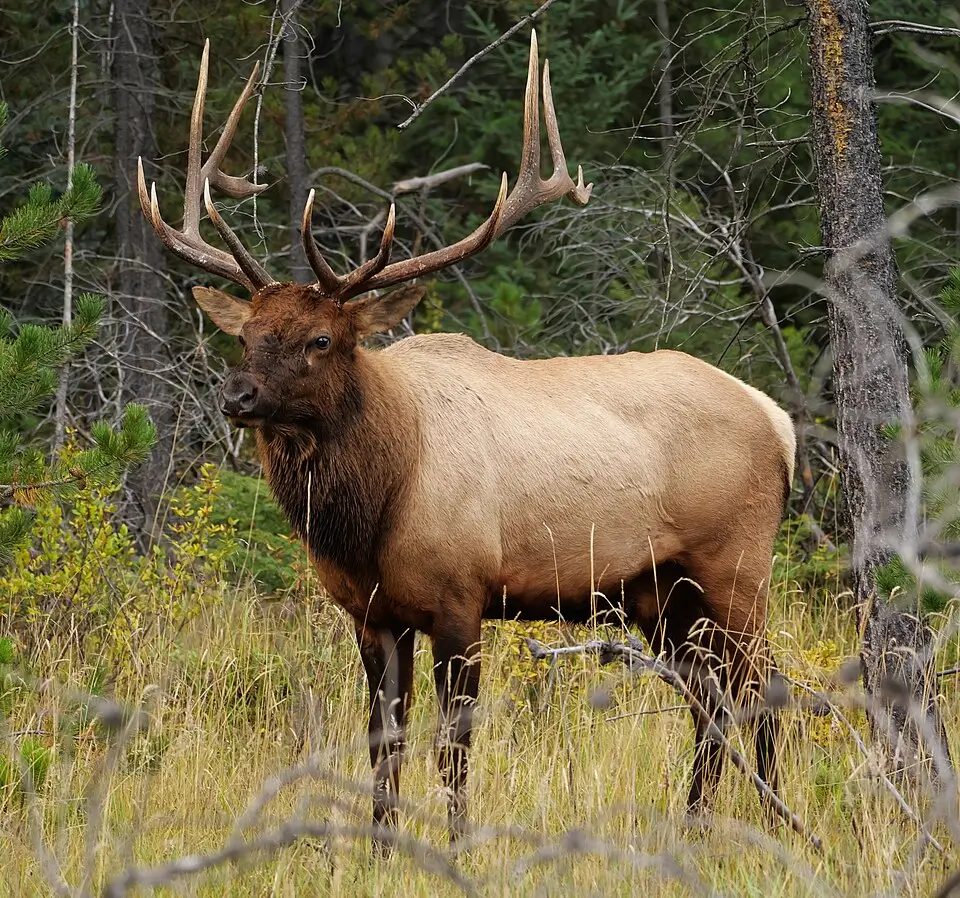
One of the most recognizable features of a bull elk is its antlers. These remarkable structures are composed of bone and are among the fastest-growing tissues in the animal kingdom, capable of growing an inch or more per day during peak growth periods. Antlers begin growing each spring, covered in a soft, nutrient-rich tissue called velvet that supplies blood flow to support rapid development. By late summer, bulls shed their velvet as testosterone levels rise, revealing the hardened, polished antlers they will carry through the breeding season. After the rut, bulls shed their antlers in late winter or early spring, and the cycle begins again.
The coat of an elk is another distinguishing feature. Their body is typically a rich tawny brown or tan, with the legs and neck noticeably darker, often appearing dark brown or even almost black. The distinctive cream or pale yellow rump patch — the feature that inspired the Shawnee name "wapiti" — is a highly visible identifier in the field.
Elk are highly vocal animals. The bull's bugle is one of the most thrilling sounds in the natural world — a high-pitched, wavering call that begins low, rises to a squeal, and often ends in a series of grunts. Bugling serves multiple purposes: it signals dominance to rival bulls, attracts cows during the rut, and establishes territory. Cows communicate with calves and other herd members through a variety of softer vocalizations, including mews and barks.
The rut, or breeding season, typically occurs in the fall, generally spanning from September through October. During this period, bulls become intensely active and competitive, sparring with rivals, herding cows, and bugling almost continuously. This behavior makes the rut an especially exciting time for wildlife observers and hunters. Cows give birth to a single calf — twins are rare — in late spring or early summer, typically in May or June, after a gestation period of approximately 240 to 262 days. Calves are born with spots, which fade as they mature, and they are able to stand and walk within hours of birth.
Elk are herbivores with a varied diet that changes with the seasons. In summer, they graze on grasses, forbs, and sedges. As winter approaches and forage becomes scarce, they shift more toward browsing on shrubs, tree bark, and twigs. Elk are also known to visit mineral licks, where they consume soil and minerals essential to their health and antler development.
Habitat & Range
Elk are highly adaptable animals capable of thriving in a diverse range of environments. Historically, their range extended across much of North America, from the eastern seaboard to the Pacific Coast and from northern Canada to parts of Mexico. Today, the core of their population exists in the Rocky Mountain West, the Pacific Northwest, and portions of the Great Plains, though reintroduction programs have expanded their presence to many other regions.
Elk are commonly associated with montane forests, mountain meadows, and subalpine grasslands, but they are equally at home in coastal rainforests, high desert plateaus, and mixed woodland habitats. They are edge-dwelling animals by nature, preferring areas where forests and open meadows meet, as these environments offer both cover for security and open areas for grazing. Elevation plays an important role in elk habitat use — many populations migrate seasonally between higher elevation summer ranges and lower elevation winter ranges, sometimes traveling tens of miles to access adequate forage and escape harsh winter conditions.
Water is a critical habitat component for elk. Rivers, streams, wallows, and ponds not only provide drinking water but also serve as cooling sites during warm weather and as wallow sites for bulls during the rut. A muddy wallow helps a bull thermoregulate and also allows him to coat himself in scent-rich mud, which may help attract cows and signal dominance to other bulls.
Hunting Information
Elk hunting is one of the most prized and challenging pursuits in North American hunting culture. The combination of rugged terrain, demanding physical requirements, and the need for skilled woodsmanship and shooting ability makes elk hunting a true test of a hunter's abilities. Elk are hunted across several western states and Canadian provinces, with populations managed through carefully regulated licensing systems designed to maintain healthy herd sizes while providing sustainable hunting opportunities.
Methods of elk hunting include rifle hunting, archery, and muzzleloader seasons, each offering its own unique set of challenges and rewards. Archery hunting during the rut is particularly revered, as hunters often use calls — including cow calls and bull bugles — to bring animals into close range. The experience of calling in a bull elk and hearing his response echoing through the timber is a moment that many hunters describe as the highlight of their outdoor lives.
Hunters interested in elk hunting should consult the wildlife management agency of the state or province in which they wish to hunt. Regulations, season dates, licensing requirements, and quota systems vary significantly by jurisdiction. Many western states use a draw system for elk tags, meaning hunters must apply in advance and may wait several years before drawing a coveted tag in heavily sought-after units.
It is worth noting that elk are not a huntable species in Florida. Florida's subtropical climate, geography, and ecosystems do not support wild elk populations, and the Florida Fish and Wildlife Conservation Commission (FWC) does not list elk among the state's game species. Florida hunters seeking elk opportunities will need to pursue them in other states. The FWC does provide comprehensive resources for Florida hunters pursuing the many remarkable game species that do call the Sunshine State home, including white-tailed deer, wild turkey, and wild hog, among others.
Conservation
The conservation story of the elk is one of the great success narratives in North American wildlife management. By the late 1800s, market hunting and habitat destruction had reduced elk populations to critically low numbers across much of their historical range. Conservation visionaries, hunters, and land managers recognized the need for action and began implementing protections and restoration programs in the early 20th century.
Today, organizations such as the Rocky Mountain Elk Foundation (RMEF) have played a pivotal role in protecting and restoring elk habitat across the continent. Through land acquisition, habitat improvement projects, and advocacy, these groups have helped ensure that elk herds remain robust and that future generations will have the opportunity to experience these magnificent animals.
Regulated hunting itself plays a vital conservation role. License fees, tag revenues, and excise taxes on sporting equipment — collected through mechanisms like the Federal Aid in Wildlife Restoration Act (Pittman-Robertson Act) — generate hundreds of millions of dollars annually for wildlife conservation programs nationwide. Elk hunters are among the most dedicated financial supporters of wildlife habitat preservation.
Elk reintroduction programs have successfully restored herds to portions of their historical range, including states in the eastern United States such as Kentucky, Tennessee, Pennsylvania, and others. These programs represent collaborative achievements between wildlife agencies, conservation organizations, landowners, and local communities.