The Cougar: North America's Most Widespread Wild Cat
A Complete Guide to Puma concolor
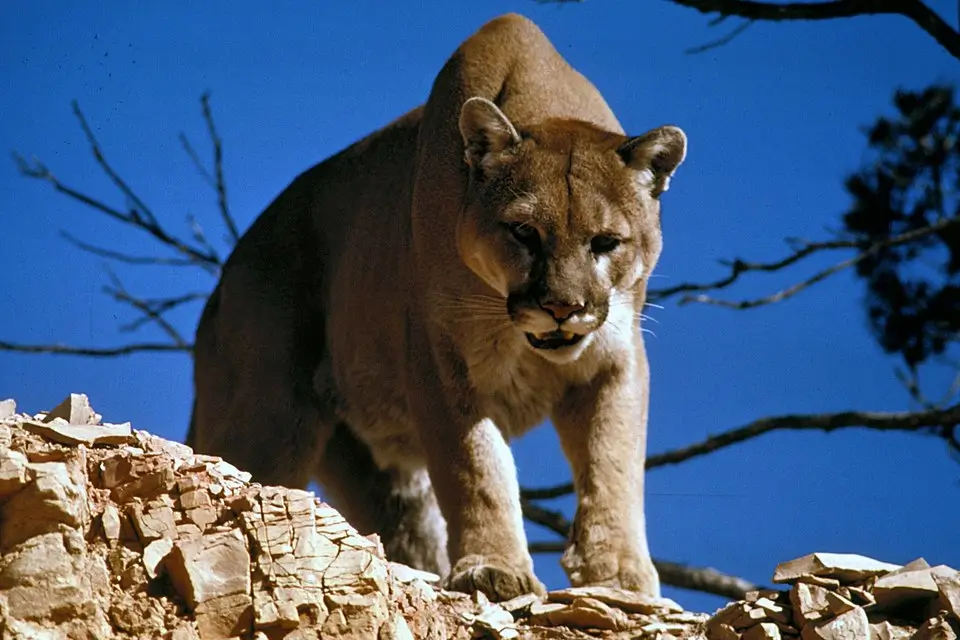
Few animals capture the imagination of outdoor enthusiasts, wildlife watchers, and hunters quite like the cougar. Known by more common names than perhaps any other mammal in North America — mountain lion, puma, panther, catamount, and painter among them — the cougar (Puma concolor) is a creature of remarkable adaptability, breathtaking athleticism, and enduring mystique. Whether glimpsed as a fleeting shadow along a rocky ridgeline in the Rocky Mountains or detected only by the soft imprint of a wide paw in the mud of a southern swamp, the cougar commands respect and fascination in equal measure.
As the largest wild cat native to North America and one of the most widely distributed land mammals in the entire Western Hemisphere, the cougar occupies a singular place in the continent's ecological fabric. From the boreal forests of Canada to the rainforests of South America, and from the Pacific Coast of the United States to the swampy wilderness of Florida, this powerful predator has demonstrated an extraordinary capacity to thrive across a staggering range of environments. Understanding the cougar — its biology, its behaviors, its ecological role, and its conservation status — is essential for anyone who loves and respects the North American outdoors.
Biological Traits
The cougar (Puma concolor) belongs to the family Felidae and is classified within the subfamily Felinae, making it more closely related to smaller cats than to lions or leopards despite its impressive size. The species name concolor is Latin for "of one color," a fitting description for an animal whose coat is typically a uniform tawny or grayish-brown across most of its body, though the underparts are generally lighter and the face features distinctive dark markings around the muzzle.
Cougars are powerful, muscular animals built for explosive bursts of speed and the demands of an ambush predator lifestyle. Adults possess long, powerful hind limbs that give them exceptional jumping ability, and they are capable of remarkable leaps both horizontally and vertically. Their long, heavy tail — often comprising nearly one-third of their total body length — serves as a critical balancing tool during high-speed pursuits and navigating complex terrain. Large, padded paws allow for near-silent movement, while retractable claws provide both traction and formidable gripping strength for subduing prey.
Sexual dimorphism is pronounced in the species. Male cougars are substantially larger than females, a characteristic common among many large felids. Males typically have broader heads and more muscular builds, and their home ranges are considerably larger than those of females. Cubs are born with spotted coats and blue eyes — features that gradually fade as they mature into adulthood. Juvenile cougars may remain with their mother for an extended period, learning the complex skills of stalking, hunting, and territorial navigation before eventually dispersing to establish their own ranges.
Cougars are obligate carnivores, meaning their diet consists entirely of animal matter. While deer represent the primary prey species across much of their range, cougars are highly opportunistic hunters that will pursue a wide variety of prey depending on local availability. This can include elk, bighorn sheep, wild boar, rabbits, raccoons, and even smaller animals when larger prey is scarce. Their hunting style is classic ambush predation — a patient, careful stalk followed by a short, explosive charge and a precise killing bite typically delivered to the back of the skull or the neck.
Unlike many other large predators, cougars are largely solitary animals outside of mating encounters and the mother-offspring relationship. They are also notably silent compared to roaring big cats like lions and tigers. Instead of roaring, cougars communicate through a range of vocalizations that include chirps, whistles, purrs, and an eerie, haunting scream that has startled many a nighttime hiker. Their highly developed senses — particularly their vision, which is well-adapted for low-light conditions — make them supremely effective predators during dawn, dusk, and nighttime hours.
Habitat & Range
One of the most remarkable aspects of the cougar is the sheer breadth of habitats it can successfully inhabit. The species demonstrates a level of ecological flexibility that is virtually unmatched among large predators. Cougars have been documented in environments as varied as dense coniferous forests, open grasslands, arid deserts, high alpine terrain, tropical rainforests, and coastal wetlands. Their primary habitat requirement is not a specific vegetation type or climate but rather the presence of adequate prey, sufficient cover for stalking and denning, and enough space to establish viable territories.
Historically, the cougar had one of the largest natural ranges of any land mammal in the Western Hemisphere, spanning from the Yukon in northern Canada all the way to the southern tip of South America. In North America, however, human settlement, habitat fragmentation, and historical persecution significantly reduced the cougar's range east of the Mississippi River during the 18th, 19th, and early 20th centuries. Today, established breeding populations in the contiguous United States are largely found in the western states, though there is growing evidence of eastward expansion as populations recover in some regions.
Florida represents a particularly significant and unique chapter in the cougar's North American story. The Florida panther — a recognized subspecies or population of Puma concolor — represents the only confirmed breeding population of cougars east of the Mississippi River in the United States. This population is largely confined to the southern tip of the Florida peninsula, inhabiting landscapes that include the Big Cypress Swamp, the Everglades ecosystem, and associated upland habitats such as pine flatwoods and hardwood hammocks. The survival of the Florida panther in this distinctive subtropical environment stands as a testament to the cougar's remarkable adaptability.
Florida itself is a state of extraordinary ecological diversity, bordered by the Gulf of Mexico to the west, the Atlantic Ocean to the east, and extending southward into the Straits of Florida. With the longest coastline of any state in the contiguous United States — spanning approximately 1,350 miles — Florida encompasses a wide range of habitats that support exceptional wildlife diversity, making it one of the most biologically significant states in the nation.
Hunting Information
In the context of Florida specifically, it is critically important for all hunters and outdoor enthusiasts to understand the legal status of the cougar, or Florida panther, within the state. The Florida Fish and Wildlife Conservation Commission (FWC) oversees all hunting regulations in the state of Florida, and hunters are required to consult the official FWC Hunting Handbook, which summarizes hunting regulations for both private and public lands across the state.
The Florida panther is a federally listed endangered species under the United States Endangered Species Act, and it receives full legal protection within Florida. There is no open hunting season for cougars in Florida, and no licenses or permits are issued for the harvest of this species. Any individual who encounters a Florida panther while afield should appreciate the rare privilege of witnessing one of North America's most imperiled large predators and should report the sighting to the appropriate wildlife authorities.
For hunters planning trips to western states where cougar populations are more robust and regulated hunting seasons may exist, it is essential to consult the specific regulations for each individual state. Season dates, licensing requirements, bag limits, and legal methods of take vary considerably by jurisdiction. Always obtain the most current regulations directly from the relevant state wildlife agency before planning any cougar hunting activity.
Conservation
The conservation story of the cougar in North America is a complex and evolving narrative. At the species level, Puma concolor is currently classified by the International Union for Conservation of Nature (IUCN) as a species of Least Concern globally, reflecting the fact that healthy populations persist across broad swaths of the Western Hemisphere. However, this broad classification can mask significant regional variation in population status and the ongoing challenges that cougars face in many parts of their range.
The Florida panther stands as one of the most dramatic examples of large mammal conservation effort in American history. Having been reduced to an extremely small population in the 20th century, the Florida panther has been the subject of intensive conservation intervention, including habitat protection, wildlife crossing construction to reduce vehicle collisions, and a carefully managed genetic restoration program. The Florida Fish and Wildlife Conservation Commission plays an active role in ongoing monitoring and management of this population.
Beyond Florida, cougar conservation across North America involves a careful balancing act between supporting viable predator populations and addressing the legitimate concerns of ranchers, farmers, and rural communities where human-wildlife conflict can occur. Regulated hunting in states with established cougar populations serves as both a wildlife management tool and a significant driver of conservation funding through the license and permit system. The Pittman-Robertson Federal Aid in Wildlife Restoration Act, funded through excise taxes on firearms and ammunition — resources heavily contributed by hunters — has provided billions of dollars for wildlife conservation across the country, benefiting species like the cougar and the habitats they depend upon.
The long-term future of the cougar across North America depends on continued commitment to science-based wildlife management, habitat connectivity, and the engagement of hunters, landowners, conservation organizations, and the general public alike. As human development continues to reshape landscapes across the continent, maintaining corridors of connected habitat that allow cougar populations to move, disperse, and maintain genetic diversity will be among the most important conservation challenges of the coming decades.
The cougar, in all its power and grace, remains one of the defining symbols of wild North America — a reminder of the richness of the natural world and our shared responsibility to be its stewards.