Burmese Python (Python bivittatus): A Comprehensive Guide to Florida's Most Fascinating Invasive Reptile
Few creatures capture the imagination quite like the Burmese python. One of the largest snakes on the planet, Python bivittatus is a species that commands both awe and respect from wildlife enthusiasts, hunters, and conservationists alike. Native to the tropical and subtropical regions of Southeast Asia, this remarkable serpent has become one of the most recognizable reptiles in the world — not only for its impressive size and stunning patterned scales, but also for its fascinating ecological story in the United States.
In Florida, the Burmese python has become a subject of intense wildlife management interest. The state's warm, humid climate and sprawling wetland ecosystems — most notably the Florida Everglades — have provided an environment where this non-native species has managed to establish a breeding population. As a result, Florida has emerged as one of the most unique places in North America to encounter, study, and in many cases, pursue this extraordinary snake. Whether you are a wildlife enthusiast eager to learn more about this species or an outdoor adventurer interested in Florida's growing python management programs, understanding the Burmese python from every angle is an essential first step.
This article provides a comprehensive look at the Burmese python, exploring its biological traits, natural habitat, its presence in Florida, and the ongoing management and conservation efforts that make it a central figure in modern wildlife discussions.
Biological Traits
The Burmese python, Python bivittatus, belongs to the family Pythonidae and is widely regarded as one of the five largest snake species in the world. It is a non-venomous constrictor, meaning it subdues its prey by coiling its powerful muscular body around the target and applying pressure, rather than through the delivery of venom.
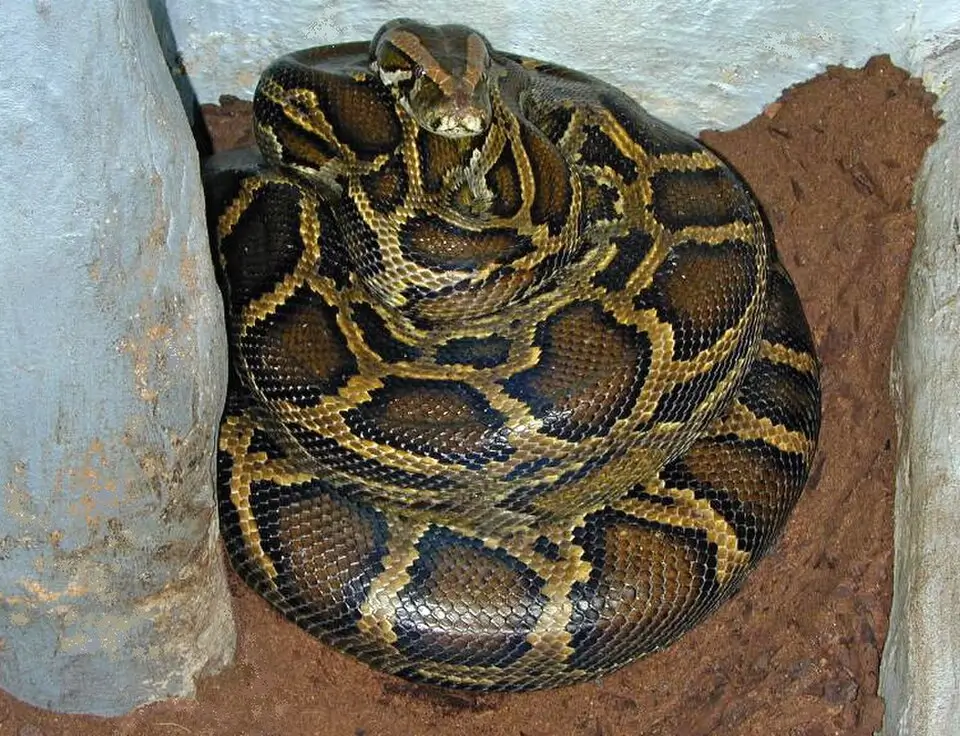
In terms of physical appearance, the Burmese python is immediately recognizable by its striking pattern of large, irregularly shaped brown blotches outlined in black or dark brown, set against a lighter tan or yellowish background. The belly is typically white or cream-colored. This bold pattern provides excellent camouflage in dense vegetation, leaf litter, and near waterways, making the snake well-adapted to life in complex natural environments.
Adult Burmese pythons are truly massive animals. They are among the heaviest snakes in the world, with large individuals capable of reaching considerable lengths and weights. Their heads are relatively large and triangular in shape, and like all pythons, they possess heat-sensing pits along their lips that allow them to detect the infrared radiation emitted by warm-blooded prey — a remarkable biological adaptation that makes them highly effective predators even in low-light conditions.
Burmese pythons are carnivorous and opportunistic feeders. Their diet in the wild includes a wide variety of mammals, birds, and reptiles. They are capable of consuming surprisingly large prey items relative to their own body size, thanks to their highly flexible jaws and expandable bodies. Younger snakes tend to feed on smaller prey such as rodents and birds, while larger adults are capable of taking on substantial mammals.
As with all pythons, Python bivittatus is an oviparous species, meaning females lay eggs rather than giving birth to live young. Females are noted for their maternal behavior — a trait relatively uncommon among reptiles — in that they coil around their clutch of eggs throughout the incubation period, using muscular contractions to generate warmth and protect the eggs from predators.
The species also demonstrates notable sexual dimorphism, with females generally growing considerably larger than males. This size difference is significant and well-documented across the python family.
Habitat & Range
In its native range, the Burmese python inhabits the tropical forests, grasslands, marshes, and river valleys of Southeast Asia. Countries including Myanmar (Burma, from which the species takes its common name), Thailand, Vietnam, Cambodia, Laos, Bangladesh, and parts of China and Indonesia have historically been home to wild populations of this species. They are strongly associated with areas near water — riverbanks, swamps, and marshland — and are capable swimmers, sometimes observed crossing large bodies of water.
In the United States, the Burmese python has established a significant presence in southern Florida. The state of Florida occupies a prominent peninsula in the Southeastern United States, bordered by the Gulf of Mexico to the west and the Atlantic Ocean to the east, with a coastline stretching approximately 1,350 miles in the contiguous United States. This geography creates a mosaic of wetlands, subtropical forests, and coastal ecosystems that closely mimics certain features of the python's native Southeast Asian habitat.
The Florida Everglades — a vast, slow-moving river of grass covering much of South Florida — has proven to be particularly suitable habitat for the Burmese python. The warm temperatures, abundant prey base, and dense vegetation provide nearly ideal conditions for the species to survive and reproduce year-round. Beyond the Everglades, pythons have been documented across a range of habitats in South Florida, including swamps, marshes, forests, and agricultural areas.
The introduction of Burmese pythons to Florida is widely understood to be the result of the exotic pet trade. As hatchlings and juveniles, Burmese pythons are manageable and can appear deceptively easy to care for. However, as they grow into large adults, some owners released their pets into the wild — a practice that has had significant ecological consequences. Florida's climate allowed these released animals not only to survive but to reproduce, establishing what is now a well-documented wild population.
Hunting and Management Information
Given the ecological challenges posed by the established python population in Florida, the Florida Fish and Wildlife Conservation Commission (FWC) has developed active management programs aimed at addressing the species' presence in the state. Florida is one of the few places in the United States where private individuals and trained contractors are encouraged to participate in the removal of Burmese pythons from public and private lands.
The FWC oversees hunting and wildlife management regulations across the state of Florida, and python management falls under their broad mandate to protect native wildlife and ecosystems. Those interested in participating in python removal efforts in Florida are encouraged to consult the FWC's official resources, including the Hunting Handbook, which summarizes hunting regulations for both private and public lands. The FWC also manages Wildlife Management Areas (WMAs) across the state, and regularly updates information regarding open and closed status of managed areas.
For those interested in pursuing Burmese pythons as part of Florida's wildlife management programs, understanding the current regulations is essential. Regulations and program structures can change from season to season, so prospective participants are always encouraged to check the latest guidance from the FWC directly at the official MyFWC.com platform, where closures, updates, and quota hunt dashboards are maintained and regularly updated. The FWC also manages public shooting ranges and provides resources for outdoor enthusiasts across the state.
Python hunting in Florida has grown into a unique outdoor pursuit that attracts participants from across the country. It combines the challenge of locating a cryptic, camouflage-adapted reptile in dense subtropical terrain with the knowledge that participation actively supports native ecosystem protection. Many participants report that the experience demands patience, sharp observation skills, and a willingness to navigate challenging environments — all qualities that define the most rewarding outdoor pursuits.
Conservation
The conservation story of the Burmese python is a multifaceted one. In its native range across Southeast Asia, Python bivittatus faces significant pressures from habitat loss, hunting for its skin, and collection for the exotic pet and food trades. As a result, the species is listed on Appendix II of the Convention on International Trade in Endangered Species of Wild Fauna and Flora (CITES), which regulates international trade to ensure it does not threaten the species' survival in its native range. In its native countries, the Burmese python is considered a species of conservation concern, and efforts to protect its wild populations and natural habitats are ongoing.
In Florida, the conservation narrative takes on a different dimension. Here, the priority is the protection of the state's native wildlife — including wading birds, small mammals, and other reptiles — that share the ecosystem with the introduced python population. Management programs championed by the FWC reflect a science-based approach that balances the ecological realities of an established non-native population with the need to safeguard Florida's extraordinary biodiversity.
Florida's ecosystems are among the most biologically rich in North America. The state's unique position — spanning subtropical and tropical climate zones, bordered by warm marine waters, and dotted with freshwater wetlands — supports an astonishing diversity of plant and animal life. Protecting this biodiversity for future generations is a goal shared by wildlife managers, outdoor enthusiasts, hunters, and conservationists alike.
The Burmese python, for all the complexity it introduces, has also become a catalyst for broader public engagement with wildlife conservation. Python removal events and citizen science programs have connected thousands of Floridians and visitors with the natural world in meaningful ways, fostering a deeper appreciation for ecology, native species, and the importance of responsible pet ownership.
Conclusion
The Burmese python is, by any measure, a remarkable animal. From its heat-sensing pits and powerful constricting coils to its bold patterned scales and impressive size, Python bivittatus represents one of nature's most capable and fascinating predators. In Florida, this species occupies a unique and complex role — simultaneously a subject of conservation concern in its native range and a focus of active wildlife management in its adopted home.
For outdoor enthusiasts, wildlife watchers, and hunters in Florida, the Burmese python represents a genuinely extraordinary opportunity to engage with one of the world's most iconic reptiles in a hands-on way. With proper preparation, a respect for the natural environment, and guidance from the FWC's robust management resources, pursuing and learning about the Burmese python in Florida is an experience unlike any other in North American outdoor recreation.