The Bobcat (Lynx rufus): North America's Most Adaptable Wild Cat
Few creatures embody the wild spirit of North America quite like the bobcat. Stealthy, powerful, and remarkably adaptable, the bobcat (Lynx rufus) is the continent's most widespread native wild cat, ranging from the dense swamps of Florida to the rugged mountains of the Pacific Northwest. Despite sharing landscapes with millions of people, bobcats remain largely elusive, glimpsed only in fleeting moments at dawn or dusk — a rustle in the palmetto scrub, a set of distinctive tracks pressed into soft mud along a creek bank. For wildlife enthusiasts, hunters, and naturalists alike, the bobcat commands a deep respect that is well earned.
In the state of Florida, the bobcat holds a particularly significant place in the natural landscape. Florida's diverse ecosystems — stretching from the panhandle's longleaf pine forests to the subtropical hammocks of the Everglades — provide ideal conditions for this versatile predator. As one of the state's most recognizable native carnivores, the bobcat plays a critical role in maintaining the health and balance of Florida's ecosystems, making it a species worthy of understanding and appreciation by everyone who spends time outdoors.
This article explores the biology, behavior, habitat, and conservation status of the bobcat, with a focus on its presence in Florida and what hunters and wildlife observers should know before heading into the field.
Biological Traits
The bobcat (Lynx rufus) is a medium-sized wild felid belonging to the family Felidae and the genus Lynx, which it shares with three other species: the Canada lynx (Lynx canadensis), the Iberian lynx (Lynx pardinus), and the Eurasian lynx (Lynx lynx). Among this group, the bobcat is the smallest and most geographically widespread member in North America.
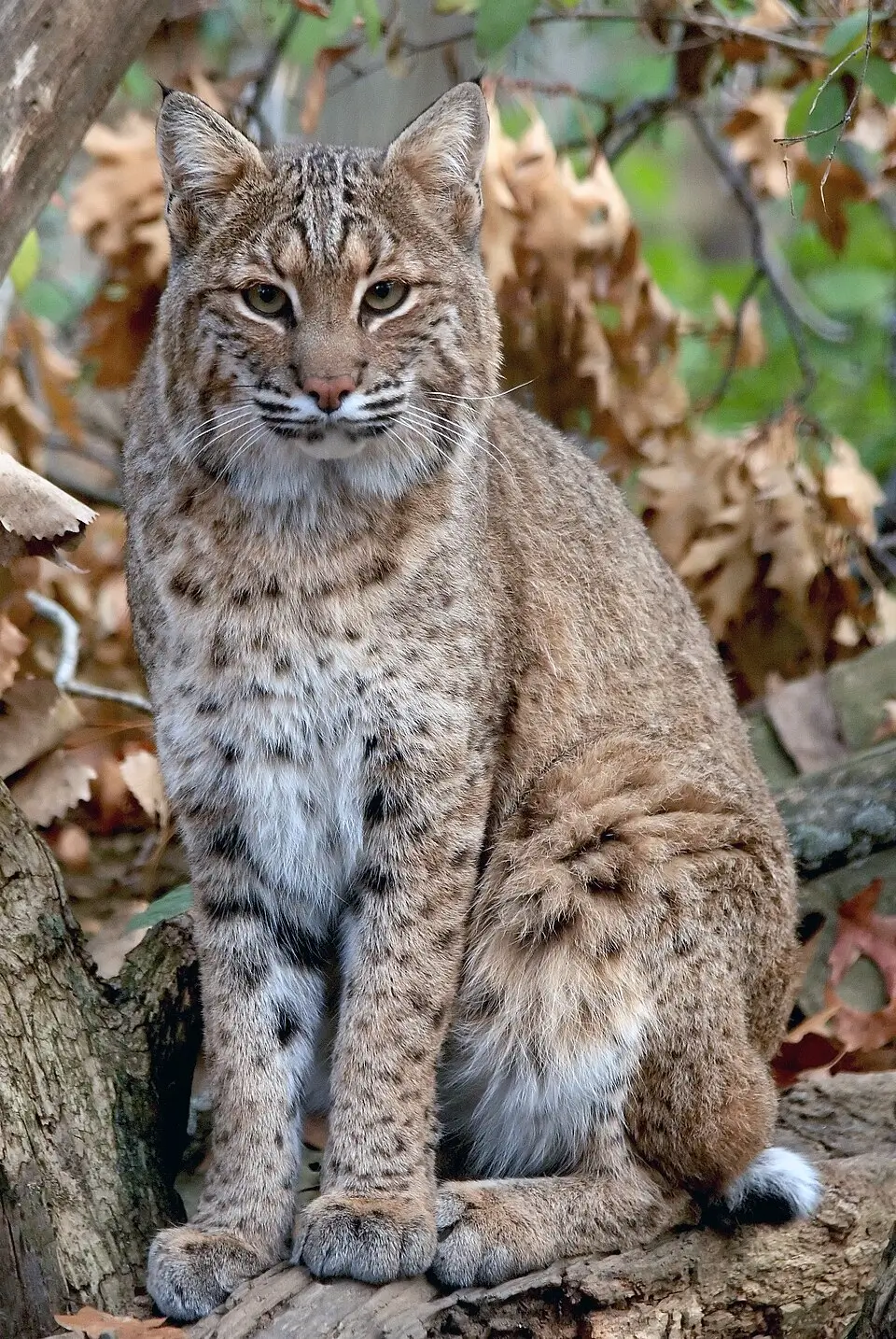
The bobcat takes its common name from its distinctive short, "bobbed" tail, which typically measures only a few inches in length and features a black tip on its upper surface with a white underside. This tail characteristic, combined with the animal's spotted and streaked coat of tawny to grayish-brown fur, makes it one of the more recognizable wild cats in the field. Its coat provides exceptional camouflage across a wide variety of environments, from snow-dusted woodlands to sun-dappled marshes.
One of the bobcat's most striking physical features is its facial ruff — a fringe of longer fur framing the face — along with tufted ears that aid in sound amplification and add to the animal's alert, focused appearance. Its back legs are notably longer than its front legs, giving it a characteristic bobbing gait and providing explosive power for short bursts of speed and precise pouncing on prey.
Bobcats are solitary and primarily nocturnal or crepuscular animals, meaning they are most active during the twilight hours of dawn and dusk. They are highly territorial, with males maintaining home ranges that often overlap with those of several females but rarely with those of other males. They communicate through scent marking, vocalizations, and visual signals, leaving scratch marks on trees and depositing urine and scat along the boundaries of their territories.
As apex predators within their size class, bobcats are skilled and opportunistic hunters. Their diet is diverse and highly adaptable, primarily consisting of rabbits and hares, but also including squirrels, mice, rats, birds, deer fawns, and even reptiles. In Florida's unique environment, bobcats may also prey upon wading birds, wild turkey, and small alligators on rare occasions, reflecting just how opportunistic this species truly is. They rely on a stalk-and-ambush hunting strategy, using their spotted coat as camouflage to get close to prey before launching a short, explosive charge.
Reproduction in bobcats typically occurs once per year, with a gestation period of approximately 60 to 70 days. Litters generally consist of two to four kittens, which are born blind and helpless. The mother raises her young alone, teaching them to hunt over a period of several months before they disperse to establish their own territories. Bobcats can live up to 10 to 12 years in the wild, though many do not reach this age due to natural predation, disease, and other environmental pressures.
Habitat & Range
The bobcat is classified as Lynx rufus and recognized across twelve subspecies that span a vast geographic range — from southern Canada through the continental United States and into northern Mexico. This breadth of distribution speaks volumes about the bobcat's exceptional adaptability. Few wild carnivores in the world can thrive in as many different environments as the bobcat.
In Florida, a state renowned for its ecological diversity, bobcats are found throughout the entire peninsula and panhandle. Florida's geography — bordered by the Gulf of Mexico to the west, the Atlantic Ocean to the east, and featuring approximately 1,350 miles of coastline — creates a mosaic of habitats that suits the bobcat perfectly. From the upland pine flatwoods and oak hammocks of North Florida to the cypress swamps, mangrove edges, and sawgrass prairies of South Florida, bobcats have successfully colonized virtually every habitat type in the state.
Bobcats are considered habitat generalists, meaning they do not require any single specific type of environment to thrive. What they do require is adequate prey base, sufficient cover for stalking and denning, and enough territory to support their solitary lifestyle. Dense understory vegetation, rocky outcrops, fallen logs, and brushy areas all serve as important structural elements in bobcat habitat, providing cover for hunting and secure sites for raising young.
In suburban and semi-rural areas of Florida, bobcats have demonstrated a remarkable tolerance for human-modified landscapes. It is not uncommon for bobcats to be spotted in residential neighborhoods, golf course edges, and agricultural fields — anywhere that provides sufficient prey and some degree of vegetative cover. This adaptability, while a testament to the species' resilience, also brings bobcats into occasional contact with humans, a dynamic that requires thoughtful coexistence.
Hunting Information
The bobcat has a long tradition as a game and furbearer species across much of the United States. Historically, bobcat pelts were highly valued in the fur trade, and hunting and trapping of bobcats remains a legal, regulated activity in many states today.
In Florida, hunting regulations are established and enforced by the Florida Fish and Wildlife Conservation Commission (FWC). The FWC manages hunting across both private lands and Wildlife Management Areas (WMAs), with specific seasons, license requirements, and bag limits that are updated regularly to reflect current population data and conservation goals. Hunters and trappers interested in pursuing bobcats in Florida should consult the most current edition of the FWC's official Hunting Handbook, which summarizes regulations for both public and private lands.
Florida's WMA system provides significant public hunting opportunities, and the FWC also offers quota hunt programs for various species managed areas around the state. Anyone planning to hunt in Florida is encouraged to check the FWC's official website for the most up-to-date information on open and closed areas, licensing requirements, and season dates, as these details are subject to change and are updated through official notices. The FWC's commitment to science-based wildlife management ensures that hunting seasons for species like the bobcat are structured to maintain healthy, sustainable populations across the state.
For those pursuing bobcats in the field, understanding the animal's habits is key. Early morning and late evening hunts near dense cover, creek bottoms, and areas with high rabbit populations offer the best chances of encountering this secretive cat. Calling with rabbit distress sounds can be an effective method for attracting bobcats within range. Many hunters combine bobcat hunting with other predator or small game pursuits, making it a versatile and rewarding quarry.
Conservation
The bobcat (Lynx rufus) is currently listed as a species of Least Concern on the International Union for Conservation of Nature (IUCN) Red List, reflecting stable and widespread populations across most of its range. Unlike some of its wild felid cousins, the bobcat has demonstrated a capacity to persist and even thrive in the face of significant habitat alteration and human activity.
That said, bobcat populations are not without their challenges. Habitat fragmentation, vehicle collisions, and rodenticide poisoning through prey animals represent ongoing threats in many parts of the country, including Florida. As Florida's human population continues to grow and development expands into previously wild areas, maintaining connected wildlife corridors becomes increasingly important for sustaining healthy bobcat populations.
Florida's wildlife managers and conservation organizations have worked diligently to protect and restore natural habitats across the state. Initiatives such as the Florida Wildlife Corridor, a statewide effort to connect protected lands from the Everglades to Okefenokee, directly benefit wide-ranging predators like the bobcat. These corridors allow animals to move freely, find mates, and maintain the genetic diversity that is essential for long-term population health.
Hunters and wildlife observers alike play a meaningful role in bobcat conservation. Responsible hunting within regulated frameworks supports the funding of wildlife management programs through license fees and excise taxes. Public reporting of bobcat sightings and participation in citizen science programs also contributes valuable data that biologists use to monitor population trends. In this way, the broader outdoor community serves as an important partner in ensuring that the bobcat remains a vital part of Florida's — and North America's — wild heritage for generations to come.
Conclusion
The bobcat is a remarkable animal — a testament to nature's capacity for resilience and adaptability. In Florida's vibrant and diverse landscapes, this elusive predator continues to thrive, playing an irreplaceable role in the ecological web that sustains countless other species. Whether you encounter one crossing a woodland trail at first light or simply find its delicate tracks pressed along a muddy stream bank, the bobcat never fails to inspire a sense of wonder at the wildness that still exists all around us.
For hunters, naturalists, and conservationists, the bobcat represents the best of what thoughtful wildlife stewardship can achieve — a native predator, respected and well-managed, living wild and free across the length and breadth of the American landscape.