Sika Deer (Cervus nippon): A Fascinating Species for Wildlife Enthusiasts and Hunters
Among the many deer species that roam the landscapes of North America, Europe, and Asia, the Sika deer (Cervus nippon) stands out as one of the most captivating and adaptable members of the family Cervidae. Originally native to East Asia, this medium-sized deer has captured the imagination of hunters, wildlife biologists, and outdoor enthusiasts alike for generations. Its striking appearance, remarkable adaptability, and intriguing behavior make it a subject worthy of deep exploration. Whether you encounter one in the marshlands of the Mid-Atlantic United States or read about its native range across the forested hillsides of Japan and China, the Sika deer is a species that commands respect and admiration.
In the context of the Mid-Atlantic region — including the state of Delaware — the Sika deer occupies a unique ecological niche, having been introduced to parts of the eastern United States over a century ago. Today, it represents an exciting quarry for hunters and a compelling subject for wildlife observers throughout the region. This article explores the biology, habitat, hunting traditions, and conservation considerations surrounding this remarkable animal, providing a comprehensive overview for anyone interested in learning more about Cervus nippon.
Biological Traits
The Sika deer belongs to the genus Cervus, placing it in close taxonomic proximity to the well-known red deer (Cervus elaphus) and the elk (Cervus canadensis) of North America. Its scientific name, Cervus nippon, references Japan (Nippon being the Japanese word for Japan), reflecting the species' historical association with that island nation, where it has held cultural and ecological significance for thousands of years.
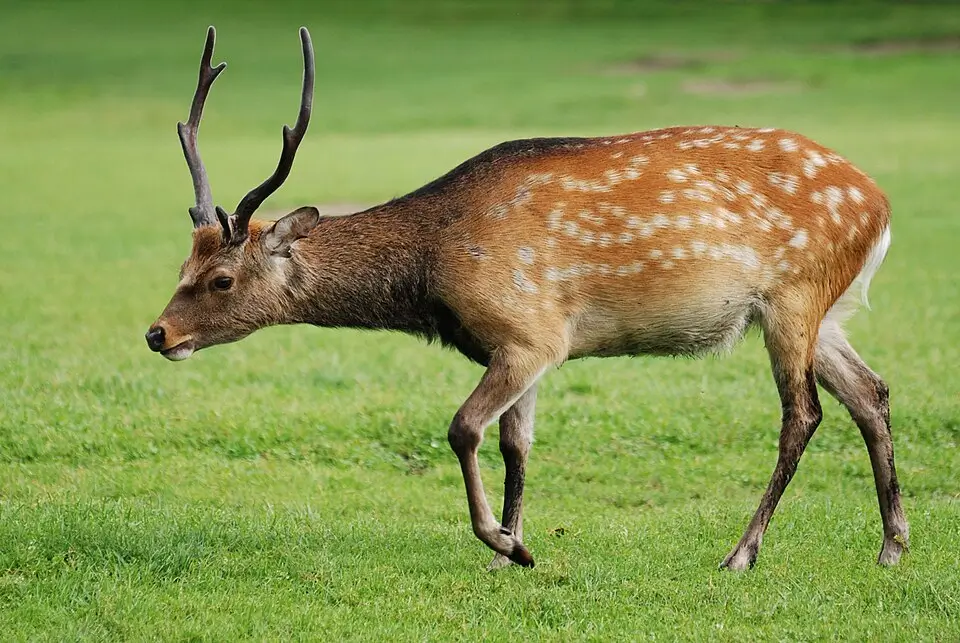
Sika deer are often described as medium-sized deer, though their size can vary considerably depending on the subspecies and geographic location. Generally speaking, they are smaller than elk and white-tailed deer bucks at their largest, but they carry themselves with a distinctive elegance. One of the most recognizable features of the Sika deer is its coat. During the warmer months, Sika deer typically display a rich chestnut-brown coat adorned with white spots along the back and flanks — a pattern reminiscent of fawns in many other deer species, but retained into adulthood in Sika. As winter approaches, the coat transitions to a darker, thicker, grayer coloration that provides insulation against cooler temperatures and better camouflage in dormant vegetation.
Another defining characteristic is the prominent white rump patch, which can be flared outward as a visual alarm signal when the animal perceives danger. This behavior is shared with several other deer species and serves as an effective communication tool within a herd, alerting other individuals to potential threats.
Male Sika deer, known as stags, grow antlers that are typically more upright and less sweeping than those of a white-tailed deer or mule deer, with points that branch in a relatively consistent pattern. The antlers are shed annually, as with all members of the deer family, and regrow each year covered in velvet — a soft, blood-vessel-rich tissue that nourishes the developing bone. The velvet is shed before the autumn rut, leaving polished, hardened antlers ready for sparring and display during the breeding season.
Sika deer are also notably vocal animals. They possess a wide repertoire of sounds, including whistles, screams, and grunts, which they use for communication during the rut and in general social interactions. The high-pitched whistle of a Sika stag during the breeding season is a memorable sound for anyone who has spent time in the field where these deer are present. This vocal complexity sets them apart from many other deer species and adds a unique dimension to the experience of hunting or observing them.
The rut typically occurs in the autumn months, when stags compete for access to hinds (females). Gestation lasts approximately seven to eight months, with hinds typically giving birth to a single fawn, though twins can occur. Fawns are born with the spotted coat that is so characteristic of the species and are weaned over the course of several months.
Habitat & Range
In their native range, Sika deer inhabit a variety of environments across East Asia, including Japan, China, Korea, Taiwan, and parts of Russia. They are highly adaptable animals, capable of thriving in dense forests, open woodland edges, grasslands, and even scrubby coastal areas. This adaptability has proven to be one of the key factors behind their successful establishment in non-native regions around the world.
Sika deer were introduced to various parts of Europe and North America beginning in the late 19th and early 20th centuries, primarily through private game parks and estates. In the United States, one of the most well-known established populations exists on the Delmarva Peninsula — the land mass shared by Delaware, Maryland, and Virginia. The Chincoteague and Assateague Island areas of Maryland and Virginia, along with nearby mainland habitats, host some of the most accessible wild Sika deer populations in the country.
In Delaware specifically, Sika deer are found in marshy, low-lying habitats that characterize much of the state's coastal plain. Delaware borders the Atlantic Ocean to the east and is defined by its position in both the Mid-Atlantic and South Atlantic regions of the United States, sharing borders with Maryland, Pennsylvania, and New Jersey. The state's wetlands, tidal marshes, and coastal forests provide suitable habitat for Sika deer, and their presence adds a unique dimension to Delaware's wildlife landscape.
Sika deer in the Mid-Atlantic region are particularly associated with phragmites-dominated marshes, brackish wetlands, and transitional zones between upland forests and tidal areas. These habitats offer both food and cover, allowing the animals to thrive even in areas of relatively high human activity. Their preference for dense vegetation makes them a challenging and rewarding quarry for hunters who learn to navigate these complex ecosystems.
Hunting Information
Sika deer hunting in the Mid-Atlantic region, including Delaware, is managed by state wildlife agencies. In Delaware, hunting is overseen by the Department of Natural Resources and Environmental Control (DNREC), specifically through its Division of Fish and Wildlife. The DNREC is responsible for setting seasons, bag limits, and licensing requirements for all game species in the state, with the goal of maintaining sustainable wildlife populations while providing quality hunting opportunities for residents and visitors alike.
Hunters interested in pursuing Sika deer in Delaware should consult the DNREC's Division of Fish and Wildlife directly for current and up-to-date season dates, licensing requirements, and any special regulations that may apply. Regulations can change from year to year based on population surveys, habitat assessments, and broader wildlife management objectives, so it is essential to verify current rules before heading afield. The DNREC provides official hunting information through its online resources and printed materials, ensuring that hunters have access to the most accurate guidance available.
From a practical standpoint, hunting Sika deer in coastal wetland environments requires specific preparation. Waders or waterproof boots are often essential when navigating marsh terrain. Stand hunting along marsh edges, travel corridors, and feeding areas can be productive, as can spot-and-stalk approaches in more open habitats. Calling techniques, including the use of whistles or vocalizations to mimic Sika deer sounds, can be effective during the rut. Given the dense cover that Sika deer favor, short to medium range shots are common, making archery equipment and shotguns popular choices in addition to rifles where permitted.
The meat of the Sika deer is widely regarded as excellent table fare, with a flavor profile often compared favorably to other venison. The combination of challenging hunting conditions, unique habitat, and high-quality meat makes the Sika deer a prized target for serious hunters in the region.
Conservation
From a conservation perspective, the Sika deer presents a nuanced picture. In their native East Asian range, some subspecies of Cervus nippon face pressure from habitat loss and historical overhunting, leading to conservation efforts in countries like Japan, China, and Russia to protect and restore populations. The Japanese Sika deer, in particular, has been the subject of both protection efforts and population management programs, given the species' cultural significance in Japan.
In introduced ranges, including the Mid-Atlantic United States, Sika deer populations are generally robust and in some areas require active management to prevent overabundance and associated habitat impacts. Regulated hunting plays a critical role in maintaining population balance in these regions, helping to ensure that Sika deer numbers remain sustainable relative to the carrying capacity of their habitat.
Wildlife managers and conservation organizations continue to study Sika deer ecology in introduced ranges to better understand their interactions with native species, including white-tailed deer, and their effects on wetland and forest ecosystems. This research informs management decisions and helps ensure that Sika deer populations can be enjoyed by future generations of hunters and wildlife enthusiasts.
The broader framework of responsible hunting, guided by agencies like Delaware's DNREC, represents a cornerstone of wildlife conservation in the United States. By participating in licensed, regulated hunting, individuals directly contribute to the funding of conservation programs through license fees and excise taxes on hunting equipment, supporting habitat preservation and wildlife management efforts across the country.
Conclusion
The Sika deer (Cervus nippon) is a remarkable animal that bridges continents and cultures, bringing a touch of East Asian wildlife heritage to the marshes and forests of the Mid-Atlantic United States. With its distinctive spotted coat, expressive vocal behavior, and adaptability to diverse habitats, it is a species that rewards careful study and patient pursuit. For hunters and wildlife observers in Delaware and the broader Delmarva region, the Sika deer represents one of the most unique and rewarding wildlife experiences available in the eastern United States.
Whether you are drawn to the challenge of the hunt, the beauty of the animal, or the richness of the ecosystem it calls home, the Sika deer offers something truly special for anyone who ventures into its world.