The North American Beaver: Nature's Most Industrious Engineer
A Complete Guide to Castor canadensis
Few animals have shaped the landscape of North America — both literally and historically — quite like the North American beaver (Castor canadensis). Known universally as nature's engineer, this remarkable semi-aquatic mammal has been transforming waterways, building wetlands, and altering ecosystems for thousands of years. From the dense boreal forests of Canada to the wooded stream corridors of the Mid-Atlantic states like Delaware, the beaver's influence on the natural world is profound, far-reaching, and, increasingly, celebrated by ecologists and conservationists alike.
The North American beaver holds the distinction of being the largest rodent native to North America and the second-largest rodent in the entire world, surpassed only by the South American capybara. It is a species deeply woven into the cultural, economic, and ecological fabric of this continent. The beaver played a pivotal role in the early exploration and colonization of North America, as the fur trade that drove European expansion was largely built on the demand for beaver pelts. Today, the species continues to command respect — not only from hunters and trappers who pursue it as a valued furbearer, but also from biologists who recognize its extraordinary capacity to restore degraded landscapes.
Whether you are a wildlife enthusiast, an outdoor hunter, a trapper, or simply a curious nature lover living in the First State of Delaware or anywhere across the continent, understanding the biology, behavior, and ecological role of the North American beaver is a rewarding endeavor.
Biological Traits
The North American beaver (Castor canadensis) belongs to the family Castoridae, a lineage with ancient roots stretching back millions of years. The genus Castor contains only two living species: the North American beaver and its close relative, the Eurasian beaver (Castor fiber). Though these two species are remarkably similar in appearance and behavior, they are genetically distinct and not interfertile.
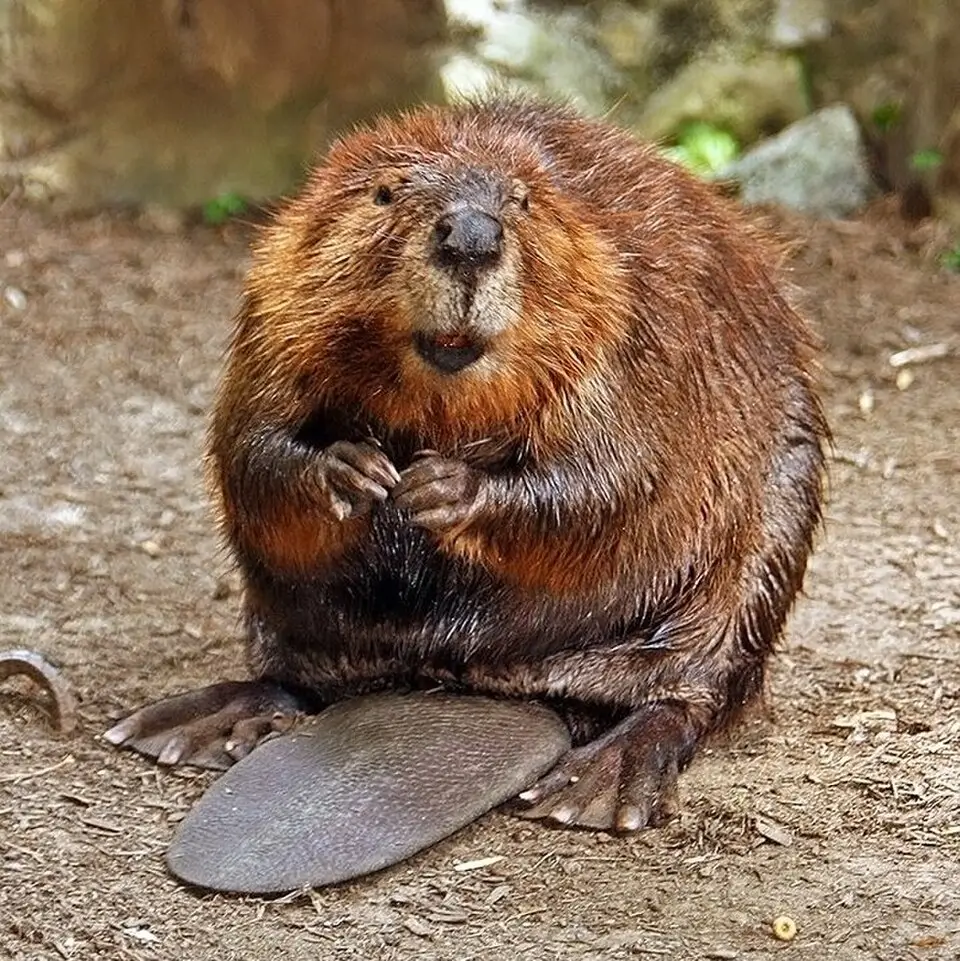
Physically, the North American beaver is a robust and powerfully built animal. Adults are well known for their large, flat, paddle-shaped tails, which serve multiple purposes. The tail acts as a rudder when swimming, a prop when standing upright to gnaw on trees, a fat-storage organ during lean winter months, and — most famously — a warning device. When threatened, a beaver will slap its broad tail against the surface of the water, producing a loud crack that alerts other beavers in the area to potential danger.
The beaver's hind feet are fully webbed, making it an exceptionally capable swimmer. Its front feet, by contrast, are small and dexterous, well-suited for manipulating sticks, mud, and other building materials. The beaver's coat consists of two layers: a dense, waterproof underfur and longer, coarser guard hairs on the outside. This luxurious double coat — which historically made beaver pelts so commercially desirable — provides excellent insulation in cold water and during frigid winters.
Perhaps the beaver's most iconic biological feature is its teeth. Beavers possess large, prominent incisors that are naturally orange in color due to the iron-rich enamel coating on their front surface. These self-sharpening teeth never stop growing throughout the animal's life and can cut through surprisingly large trees with efficiency. Beavers are strict herbivores, and their diet consists of bark, leaves, twigs, aquatic vegetation, and the soft cambium layer found just beneath tree bark. Favored tree species include aspen, willow, birch, alder, and cottonwood, though beavers will consume a wide variety of available woody vegetation.
Beavers are also known for their highly developed castor glands, which produce a musky secretion called castoreum. Beavers use castoreum to mark their territories, communicating information about their identity and the boundaries of their home range. Castoreum has historically been used in perfumery and, interestingly, as a food flavoring additive.
As a species, beavers are monogamous and typically mate for life. They live in family groups known as colonies, which generally consist of the breeding pair and their offspring from the current and previous year. Young beavers, called kits, are born in late spring, and by their second year, older offspring — known as yearlings — typically help care for the new kits before eventually dispersing to establish their own territories.
Habitat & Range
The North American beaver is one of the most widespread mammals on the continent. Its range extends from northern Canada and Alaska southward through much of the contiguous United States and into northern Mexico. It occupies an extraordinarily diverse array of habitats, united by one common requirement: the presence of water.
Beavers are most commonly associated with slow-moving streams, rivers, ponds, lakes, marshes, and swamps. They are, however, highly adaptable and can thrive in a variety of aquatic environments so long as suitable food trees are present nearby and water is deep enough to provide protection from predators and to keep their food caches accessible beneath winter ice.
The beaver's most remarkable habitat-shaping behavior is, of course, dam building. Using felled trees, branches, mud, and other available materials, beavers construct dams across streams to raise water levels and create the deep, still ponds they prefer. These ponds serve as protected living spaces, food storage sites, and escape routes from terrestrial predators. The lodges that beavers build within or adjacent to these ponds — dome-shaped structures of sticks and mud with underwater entrances — provide warm, secure shelter for the family colony throughout the year.
In the Mid-Atlantic region, including the state of Delaware, beavers are part of the native wildlife community. Delaware, situated along the Atlantic Coastal Plain, contains numerous wooded stream corridors, freshwater wetlands, and tidal influence zones where beaver activity can occur. The state's landscape, characterized by its flat topography and network of small streams and drainage areas, provides suitable habitat for beavers in many areas, particularly in more rural and forested portions of the state.
Hunting and Trapping Information
The North American beaver has a long and storied history as a furbearer species pursued by hunters and trappers across North America. Beaver trapping, in particular, was the economic engine behind the early exploration of the continent, and today it remains a tradition practiced by many dedicated outdoor enthusiasts for both recreation and wildlife management purposes.
In Delaware, hunting and trapping activities — including those involving furbearing species like the beaver — are regulated and overseen by the Delaware Department of Natural Resources and Environmental Control (DNREC), specifically through its Division of Fish and Wildlife. The DNREC's Division of Fish and Wildlife is responsible for managing the state's wildlife resources and ensuring sustainable harvest opportunities for sportsmen and sportswomen across the state.
For those interested in pursuing beaver in Delaware, it is strongly recommended to consult the official DNREC Division of Fish and Wildlife resources for the most current and accurate information regarding applicable seasons, licensing requirements, legal methods of take, and any specific regulations that may apply. Regulations for furbearers can vary from year to year based on population assessments and management goals, so checking directly with DNREC before any hunting or trapping activity is essential.
Beaver trapping, when conducted in accordance with applicable regulations, is a lawful and time-honored tradition that contributes to wildlife management efforts. In areas where beaver populations become very high, regulated trapping can help reduce conflicts between beavers and human infrastructure such as roads, agricultural fields, and drainage systems. Trappers who harvest beavers may also benefit from the commercial value of beaver pelts and castoreum, continuing a tradition that stretches back to the earliest days of North American history.
Those new to beaver trapping are encouraged to seek mentorship from experienced trappers or contact their state wildlife agency for guidance on legal and ethical trapping practices. Many states offer trapper education courses designed to help new participants learn the skills and responsibilities associated with the tradition.
Conservation
The conservation story of the North American beaver is one of the great wildlife recovery successes in American history. By the early twentieth century, decades of intensive commercial trapping for the fur trade had reduced beaver populations to critically low levels across much of their historic range. Reintroduction programs, habitat protections, and regulated harvest management helped the species rebound dramatically over the course of the twentieth century, and today the North American beaver is classified as a species of Least Concern on the International Union for Conservation of Nature (IUCN) Red List — a remarkable turnaround from its near-extirpation in many regions.
Beyond its own recovery, the beaver's ecological role has come to be recognized as enormously beneficial to entire ecosystems. As a keystone species, the beaver creates and maintains wetland habitats that support a stunning diversity of other wildlife, including waterfowl, songbirds, amphibians, fish, and mammals. The ponds and wetlands created by beaver dams raise local water tables, reduce downstream flooding, filter sediment and pollutants from waterways, and increase biodiversity in ways that few other single species can match.
In recent years, conservation practitioners and restoration ecologists have increasingly embraced beavers as cost-effective partners in landscape-scale restoration efforts. Programs that reintroduce beavers to previously occupied habitats have been used to restore degraded stream systems, combat drought impacts, and create resilient wetland ecosystems in the face of climate change.
In states like Delaware, where wetland habitats are ecologically and economically significant, the presence of beavers contributes positively to the broader health of watersheds and aquatic ecosystems. Managing beaver populations thoughtfully — balancing their remarkable ecological contributions against the occasional conflicts they may create — is a task that wildlife managers at agencies like Delaware's DNREC approach with care and scientific rigor.
The North American beaver stands as a testament to what responsible wildlife management and conservation can achieve. From the brink of disappearance to thriving populations across the continent, Castor canadensis continues to engineer the wild landscapes of North America, one dam at a time.