Elk (Cervus canadensis): A Complete Guide to North America's Majestic Wapiti
Few animals capture the imagination of wildlife enthusiasts and hunters alike quite like the elk. Known scientifically as Cervus canadensis, the elk — also commonly referred to as "wapiti," a name derived from the Shawnee and Cree word meaning "white rump" — stands as one of the largest and most iconic members of the deer family (Cervidae) in North America. With its commanding presence, haunting bugle call, and impressive antler rack, the elk has long held a place of reverence in both Indigenous cultures and modern outdoor traditions.
Whether you are a seasoned hunter, a wildlife photographer, a biologist, or simply someone who loves the natural world, the elk commands respect and admiration. This comprehensive guide explores the biology, habitat, range, hunting traditions, and conservation story of this magnificent animal, offering readers a thorough understanding of one of North America's true wildlife treasures.
Biological Traits
The elk, Cervus canadensis, belongs to the order Artiodactyla and the family Cervidae, making it a close relative of other well-known deer species such as white-tailed deer, mule deer, moose, and caribou. Among North American cervids, only the moose surpasses the elk in size, making the wapiti the second-largest deer species on the continent.
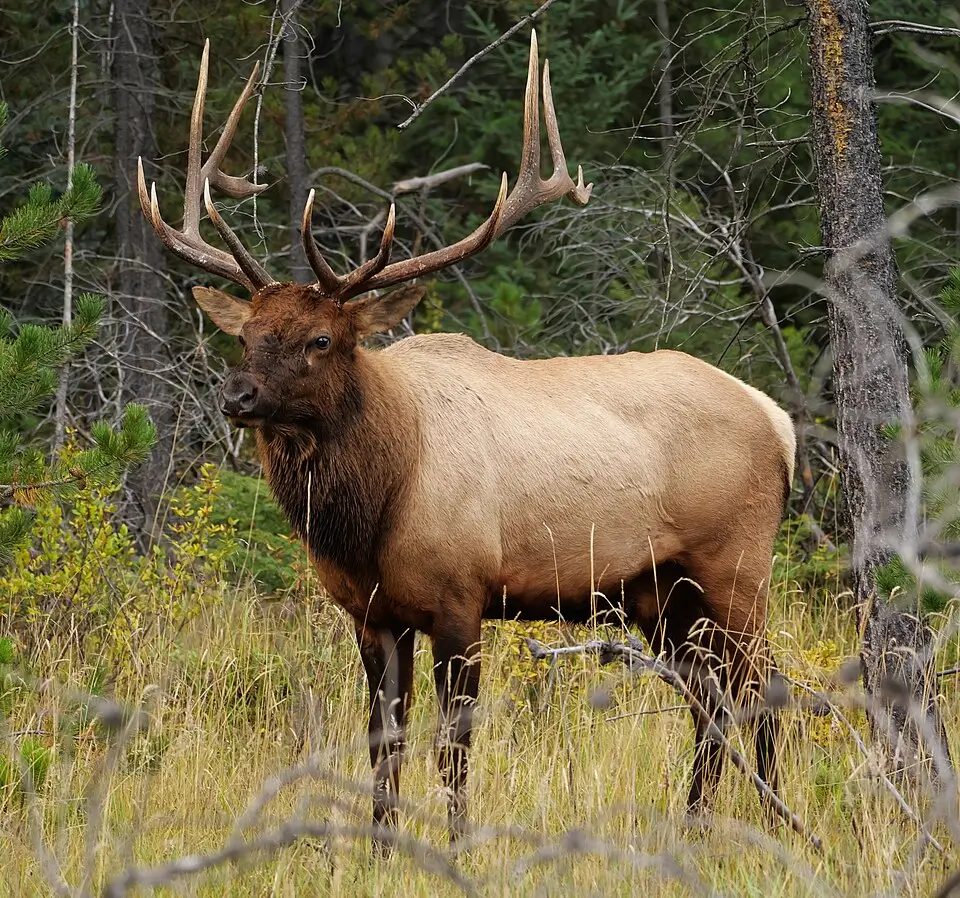
Bull elk are particularly striking animals. Adult males are substantially larger than females (cows) and are most recognized by their massive antlers, which they shed and regrow annually. Antler development in bulls is driven by photoperiod — the changing ratio of daylight to darkness throughout the year — and is supported by a rich diet during the growing season. Growing antlers are covered in a soft, nutrient-rich tissue called velvet, which supplies blood flow and nutrients to the developing bone. By late summer, bulls shed the velvet as their antlers fully calcify and harden in preparation for the autumn rut.
The elk's coat varies by season. In summer, their fur tends to be a reddish-tan color, while in winter it transitions to a thicker, darker brown or grayish coat designed to retain warmth. One of the elk's most distinctive physical features is the pale, cream-colored rump patch that contrasts sharply with the rest of the body — a characteristic that inspired the Shawnee name "wapiti."
Elk are highly social animals. Cows and calves typically form large herds, especially during winter months, for warmth and protection. Bulls tend to be more solitary or form bachelor groups outside of the breeding season. The rut — the elk's annual mating season — typically occurs in the fall and is one of the most dramatic wildlife spectacles in North America. During this period, bulls bugle loudly, a vocalization that carries across vast distances and serves to attract cows and warn rival males. Bulls will spar aggressively, sometimes engaging in powerful antler-locking contests to establish dominance and earn mating rights.
Cows typically give birth to a single calf in late spring or early summer following a gestation period of approximately 240 to 262 days. Calves are born spotted — a natural camouflage adaptation — and are able to stand and follow their mothers within hours of birth. The spots fade within their first few months of life.
Elk are herbivores and highly adaptable grazers and browsers. Their diet shifts with the seasons, encompassing grasses, sedges, forbs, and shrubs depending on availability. This dietary flexibility is a key factor in their ability to thrive across a wide variety of ecosystems.
Habitat & Range
Elk are incredibly adaptable animals, historically occupying a broad range of habitats across North America. Before European settlement, elk roamed vast swaths of the continent, from the eastern woodlands to the western mountain ranges and from Canada south into northern Mexico. Habitat loss, market hunting, and unregulated harvest during the 18th and 19th centuries caused dramatic population declines and range contractions.
Today, elk are most strongly associated with the mountainous regions of the American West, including the Rocky Mountains, where states like Colorado, Wyoming, Montana, Idaho, and New Mexico support some of the largest wild elk populations in the world. However, successful reintroduction programs have restored elk to portions of the eastern United States, the upper Midwest, and parts of Canada.
Elk thrive in areas that offer a mosaic of open meadows for grazing and forested areas for cover and shelter. In mountainous regions, they are well known for their seasonal migrations, moving to higher elevations in summer to take advantage of lush alpine meadows, then descending to lower valleys as winter snows deepen. This migratory behavior is a testament to the elk's evolutionary adaptability and its close relationship with the rhythms of its environment.
Riparian zones — areas along rivers and streams — are particularly important to elk, providing water, nutritious vegetation, and travel corridors. Old-growth and mixed forests offer critical thermal cover during harsh winters, while burns and logged areas regenerate into productive foraging habitat rich in browse and forbs.
Hunting Information
Elk hunting is a deeply rooted tradition across much of the American West and Canada, representing not only a challenging outdoor pursuit but also an important wildlife management tool. Regulated hunting provides state and provincial wildlife agencies with critical funding through license and tag sales, much of which flows directly into conservation programs, habitat restoration, and wildlife research.
Pursuing elk is widely regarded as one of the most demanding and rewarding hunting experiences in North America. The rugged terrain elk often inhabit, combined with their keen senses of smell, sight, and hearing, requires hunters to develop significant physical fitness, woodsmanship skills, and patience. Methods of elk hunting vary widely and include rifle hunting, archery hunting with compound or traditional bows, and muzzleloader hunting — each offering its own unique set of challenges and rewards.
Elk hunting seasons, license requirements, and regulations vary significantly by state and country and are managed by individual state wildlife agencies or provincial governments. These regulations are designed to maintain healthy, sustainable elk populations while providing quality hunting opportunities. Hunters are strongly encouraged to consult their specific state or provincial wildlife management agency for the most current season dates, licensing requirements, and legal shooting hours before planning any hunt.
Regarding Delaware specifically, it is important for residents and hunters to understand their state's wildlife context. Delaware, situated in the Mid-Atlantic region and bordering Maryland, Pennsylvania, and New Jersey, is a relatively small state characterized by coastal plains, wetlands, and agricultural landscapes. Delaware's Department of Natural Resources and Environmental Control (DNREC), through its Division of Fish and Wildlife, manages the state's hunting regulations and wildlife resources. Based on available information, Delaware does not currently have established wild elk hunting seasons or documented resident elk populations, which is consistent with the species' current range being concentrated primarily in the western United States. Delaware hunters interested in elk hunting would typically pursue opportunities out of state in regions with established elk populations and regulated seasons. For the most accurate and up-to-date hunting information for any species, Delaware residents should consult the DNREC Division of Fish and Wildlife directly.
Conservation
The conservation story of the elk in North America is a remarkable tale of decline and recovery — a testament to what thoughtful wildlife management, scientific research, and public commitment can achieve.
By the late 19th century, unregulated hunting and widespread habitat destruction had reduced North American elk populations to critically low levels. Once abundant across much of the continent, elk had been pushed to the brink in many parts of their historic range. The establishment of protective wildlife laws, the creation of national parks and wildlife refuges, and the development of science-based game management in the early 20th century laid the groundwork for the elk's remarkable comeback.
Organizations such as the Rocky Mountain Elk Foundation (RMEF) have played a pivotal role in elk conservation, working to protect and restore habitat, support wildlife management programs, and promote hunting as a conservation tool. Through conservation easements, land acquisitions, and public lands advocacy, groups like the RMEF have protected and enhanced millions of acres of elk habitat across North America.
Today, wild elk populations in North America are estimated to number in the hundreds of thousands, representing one of the great success stories in the history of wildlife conservation. Reintroduction programs have successfully returned elk to portions of the eastern United States — including states like Kentucky, Tennessee, Virginia, Wisconsin, and Pennsylvania — where the species had been absent for over a century.
Continued conservation efforts focus on habitat connectivity — ensuring that elk can move freely between seasonal ranges without being blocked by roads, fences, or development — as well as monitoring herd health, managing chronic wasting disease (CWD), and adapting management strategies to the challenges of a changing climate. The elk's story reminds us that with informed stewardship and dedication, wildlife populations can be restored and sustained for future generations to enjoy.
Conclusion
The elk stands as a symbol of wild North America — powerful, beautiful, and deeply connected to the landscapes it inhabits. From the bugling meadows of the Rocky Mountains to the recovering forests of the eastern United States, Cervus canadensis continues to inspire awe in all who encounter it. Whether you seek the elk as a hunter, a wildlife watcher, or simply as someone who values the richness of the natural world, understanding this remarkable animal deepens our appreciation for the wild places that sustain it.