The Wolverine: North America's Ferocious Wilderness Wanderer
Few animals capture the imagination of wilderness enthusiasts, hunters, and naturalists quite like the wolverine (Gulo gulo). Known across the northern latitudes as one of the most tenacious and powerful predators relative to its size, the wolverine has earned a legendary reputation that stretches from the boreal forests of Canada to the rugged mountain ranges of Alaska. This remarkable mustelid is simultaneously one of the least understood and most fascinating mammals roaming the North American wilderness, a creature that embodies the raw, uncompromising spirit of the wild landscapes it calls home.
For hunters, trappers, and wildlife observers venturing into Alaska's vast backcountry, encountering a wolverine — even catching a fleeting glimpse of one — is considered a rare and memorable privilege. The state of Alaska, with its enormous stretches of untouched wilderness, boreal forest, alpine tundra, and remote mountain terrain, represents some of the most important wolverine habitat remaining in the United States. Understanding this extraordinary animal is essential not only for those who pursue it but also for anyone who appreciates the complex ecological tapestry of the Far North.
Biological Traits
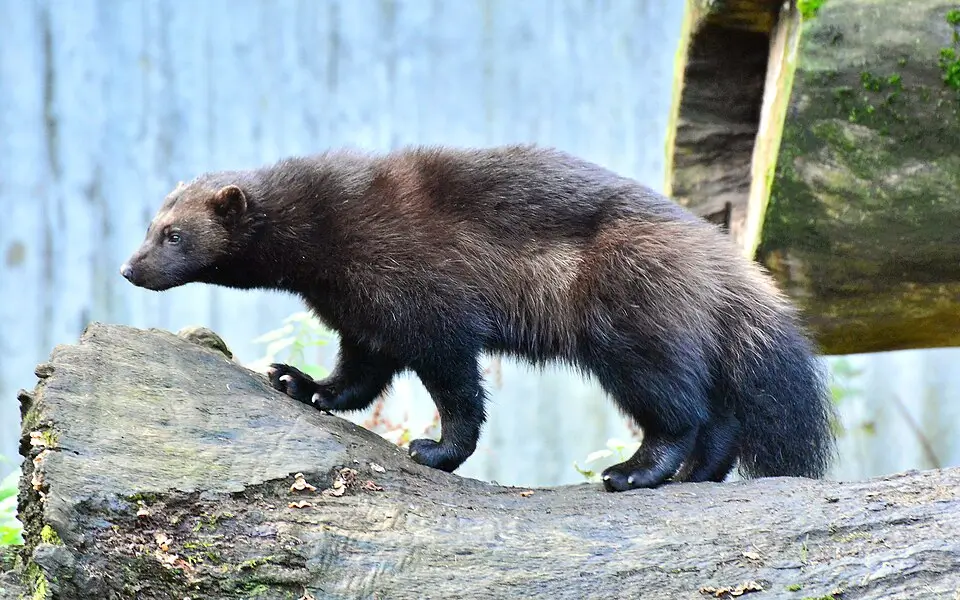
The wolverine (Gulo gulo) belongs to the family Mustelidae, which also includes weasels, otters, badgers, and martens. Despite its relatively modest size compared to the bears or wolves it sometimes confronts over a carcass, the wolverine is a formidable force in any ecosystem it inhabits. Adult wolverines typically resemble a small bear in their stocky, heavily muscled build, with a broad, rounded head, short legs, and a bushy tail. Their fur is dense, dark brown to blackish in color, often marked with distinctive pale yellowish or golden stripes running along the flanks from the shoulders to the base of the tail — a pattern that makes them recognizable even at a distance.
One of the wolverine's most celebrated biological attributes is its jaw strength and dentition. Equipped with exceptionally powerful jaws and carnassial teeth capable of crushing frozen meat and bone, wolverines can consume virtually every part of a carcass, including material that most other predators would leave behind. This remarkable feeding ability is reflected directly in the animal's scientific name: Gulo gulo, derived from the Latin word for "glutton." The wolverine's reputation for voracious eating is well-deserved, as it can consume large quantities of food at once and cache the remainder for future consumption — a critical survival strategy in environments where food is scarce and unpredictable.
Wolverines also possess large, semi-plantigrade feet that function like natural snowshoes, distributing their body weight across soft snow and allowing them to travel efficiently through deep snowpack. This physical adaptation gives wolverines a distinct advantage over many of their prey species and competitors during the long, snow-covered winters of the northern wilderness. Their powerful claws are semi-retractable and excel at digging — useful for excavating caches, pursuing burrowing prey, or denning in deep snow.
Another noteworthy biological trait is the wolverine's remarkable scent glands, which produce a pungent musk used for marking territory. Wolverines are highly solitary and territorial animals, with individual males maintaining enormous home ranges that can span hundreds of square miles. Female home ranges are typically smaller and tend to fall within or overlap the range of a single male. These vast territories are regularly patrolled and scent-marked, serving as communication signals to other wolverines about the occupant's presence and reproductive status.
Wolverines are also known for their extraordinary endurance and strength. They have been documented traveling dozens of miles in a single day across difficult terrain, climbing sheer rock faces, and even challenging wolves or bears over a kill. This boldness and physical tenacity is not recklessness but rather a well-adapted behavioral strategy for surviving in ecosystems where caloric resources are limited and must be defended vigorously.
Reproduction in wolverines follows a pattern common among mustelids, involving delayed implantation. Mating typically occurs in summer, but the fertilized eggs do not implant in the uterine wall until late fall or winter. Females give birth to small litters — usually two to three kits — in a snow den during late winter or early spring. The timing of denning and kit survival is closely linked to the presence of persistent, deep snowpack, which provides insulation and protection from predators.
Habitat & Range
The wolverine has one of the most northerly distributions of any terrestrial carnivore in the world. Across its global range, Gulo gulo inhabits boreal forests, arctic and alpine tundra, taiga, and high mountain environments across North America, northern Europe, and Russia. In North America, wolverines are found primarily in Canada and Alaska, with smaller, fragmented populations persisting in parts of the Rocky Mountain states.
Alaska is particularly significant for wolverine conservation and population vitality in the United States. The state's immense size — encompassing over 663,000 square miles — and its abundance of remote, low-impact wilderness areas provide exactly the kind of habitat wolverines require: cold, snowy winters, large prey bases, minimal human disturbance, and expansive, unfragmented landscapes. Wolverines in Alaska inhabit a wide variety of ecosystems, from the boreal interior forests of the Interior region to the tundra of the Arctic Slope and the rugged mountain ranges including the Brooks Range, the Alaska Range, and the Chugach and Wrangell-St. Elias mountains.
The deep snowpack found throughout much of Alaska during winter is particularly critical to wolverine reproductive success, as females require persistent snow cover for denning. Climate and land use changes that reduce snowpack duration can negatively impact wolverine populations, making Alaska's cold, reliably snowy landscapes especially important for the long-term viability of North American wolverine populations.
Wolverines are diet generalists and opportunistic feeders. They are known to prey on small to medium-sized mammals such as snowshoe hares, ground squirrels, marmots, and porcupines. They are also capable of killing deer, caribou, or mountain goats under certain conditions, particularly when deep snow impedes prey movement. Carrion forms an important dietary component, especially during winter, when wolverines will travel great distances to locate and feed on the carcasses of large ungulates. This scavenging behavior places them in direct interaction — and occasional competition — with wolves, bears, and ravens.
Hunting Information
Wolverine has historically been harvested by hunters and trappers across its North American range, valued primarily for its exceptionally thick, frost-resistant fur. Wolverine fur has long been prized by indigenous peoples and northern communities for use in parka ruffs and trim, owing to its unique property of resisting frost accumulation from breath condensation — a quality that makes it practically unmatched for extreme cold weather garments.
In Alaska, wolverine trapping and hunting are regulated activities managed by the Alaska Department of Fish and Game. Because the specific regulatory details for the current season — including license requirements, season dates, bag limits, and unit-specific regulations — were not available in the source data consulted for this article, prospective hunters and trappers are strongly encouraged to consult the Alaska Department of Fish and Game directly for the most current and accurate regulatory information before planning any wolverine harvest activity. Regulations in Alaska can vary significantly by region and are subject to change, so obtaining up-to-date official guidance is essential for legal and ethical participation in any harvest activity involving this species.
What is broadly understood is that wolverine trapping requires considerable skill, patience, and knowledge of the animal's habits and home range patterns. Wolverines are notoriously difficult to trap, owing in part to their intelligence, wariness, and the vast territories they patrol. Successful wolverine trappers typically possess deep familiarity with the local landscape and invest significant time and effort in locating sign, establishing trap lines in appropriate terrain, and monitoring sets across remote country.
Conservation
The wolverine's future across its North American range is a topic of active discussion among wildlife biologists, conservationists, and land managers. While wolverine populations in Alaska and Canada remain comparatively robust relative to those in the contiguous United States, the species faces ongoing challenges linked to climate change, particularly the reduction in deep, persistent snowpack that is critical for successful denning and kit survival.
Wolverines serve an important ecological role as both predators and scavengers within the ecosystems they inhabit. Their ability to consume and process carrion efficiently helps recycle nutrients and supports the broader web of life in boreal and alpine environments. As indicator species, wolverines reflect the overall health and connectivity of the cold-climate ecosystems they depend upon.
Alaska's vast wilderness — much of it federally protected in national parks, wildlife refuges, and wilderness areas — provides a critical stronghold for the species. The ongoing management of wolverine populations in the state represents a meaningful intersection of wildlife science, traditional indigenous knowledge, and modern conservation practice. Hunters and trappers who participate in regulated wolverine harvest contribute important data through mandatory reporting requirements, helping wildlife managers track population trends and ensure sustainable harvest levels.
For anyone who has spent time in Alaska's backcountry, the wolverine represents something larger than itself: a symbol of wilderness persistence, ecological vitality, and the enduring wildness of the north.