The American Mink: A Sleek and Resourceful Predator of North America's Waterways
Few animals embody the wild spirit of North America's rivers, streams, and wetlands quite like the American mink. Known scientifically as Neogale vison, this semi-aquatic mammal is one of the continent's most recognizable and ecologically significant predators. With its lustrous, dense fur, sinuous body, and remarkable adaptability, the American mink has captivated the attention of naturalists, trappers, hunters, and wildlife enthusiasts for centuries. Whether darting along the muddy banks of a mountain stream or slipping silently beneath the surface of a marsh, the American mink is a creature perfectly engineered for its environment — a true testament to the elegance of natural selection.
The American mink holds a storied place in North American culture. Its fur has long been prized for its exceptional softness and warmth, making it one of the most historically significant furbearers on the continent. Beyond its economic and cultural importance, the American mink plays a vital role in the ecosystems it inhabits, functioning as both a skilled predator and an important link in the food chain. Understanding this species — its biology, behavior, habitat preferences, and relationship with hunters and trappers — provides valuable insight into the broader health of North America's aquatic ecosystems.
Biological Traits
The American mink (Neogale vison) belongs to the family Mustelidae, a diverse and successful group of carnivorous mammals that also includes otters, weasels, badgers, wolverines, and ferrets. This taxonomic family is well known for producing agile, fierce, and often surprisingly powerful predators relative to their body size, and the American mink is no exception.
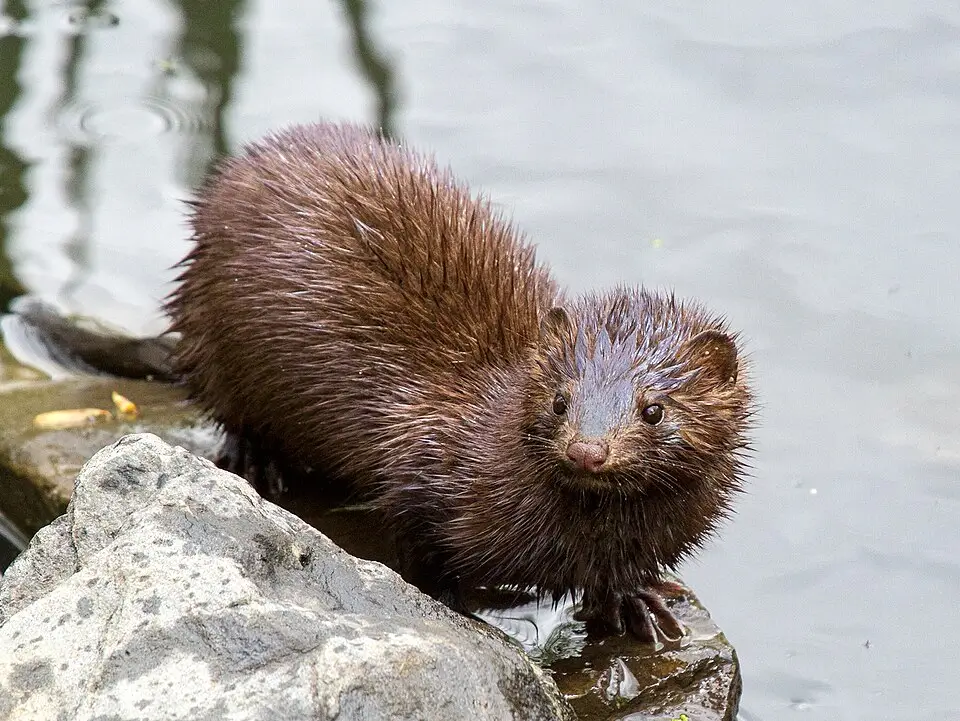
In terms of physical appearance, the American mink is a slender, elongated mammal with short legs, a pointed snout, small rounded ears, and a moderately bushy tail. Its body plan is classically mustelid — low to the ground, flexible, and built for navigating tight spaces along riverbanks, through dense vegetation, and underwater. Adult males are notably larger than females, a trait known as sexual dimorphism that is common throughout the Mustelidae family. Males typically measure between 13 and 18 inches in body length, with the tail adding several additional inches, while females are generally smaller and lighter.
One of the most striking features of the American mink is its fur. The natural coat is a rich, chocolate-brown to dark brown color, often with small patches of white on the chin or throat. The fur is notably dense and water-resistant, consisting of a soft, insulating underfur covered by longer, glossy guard hairs. This dual-layered coat is what has made the species so historically valuable in the fur trade and what allows the animal to remain active in cold, wet environments throughout the year.
The American mink is an obligate carnivore, meaning its diet consists entirely of animal matter. It is an opportunistic and highly effective hunter, preying on a wide variety of species depending on availability and season. Common prey items include fish, frogs, crayfish, small mammals such as mice and muskrats, birds, and invertebrates. The mink's semi-aquatic lifestyle makes it an adept swimmer, and it regularly pursues prey both on land and underwater. It possesses partially webbed feet that enhance its swimming ability, allowing it to dive and chase fish with impressive speed and agility.
Like many mustelids, the American mink is largely solitary and territorial. Individual animals maintain home ranges along waterways, marking their territories with scent from well-developed musk glands — a characteristic shared with many of its relatives. These musk secretions can produce a pungent odor that is used in communication and territorial defense. Mink are primarily nocturnal or crepuscular, meaning they are most active during the hours around dawn and dusk, though they can be observed during daylight hours as well.
Reproduction in the American mink follows a seasonal pattern. Mating typically occurs in late winter, generally between February and April, depending on geographic location and climate. Like several other mustelids, mink exhibit delayed implantation, a fascinating reproductive adaptation in which the fertilized egg does not immediately implant in the uterus. This allows the female to time the birth of her young to coincide with optimal environmental conditions. Litters typically consist of four to six kits, which are born blind and helpless. The young develop rapidly, and by late summer they are generally independent and dispersing to establish their own territories.
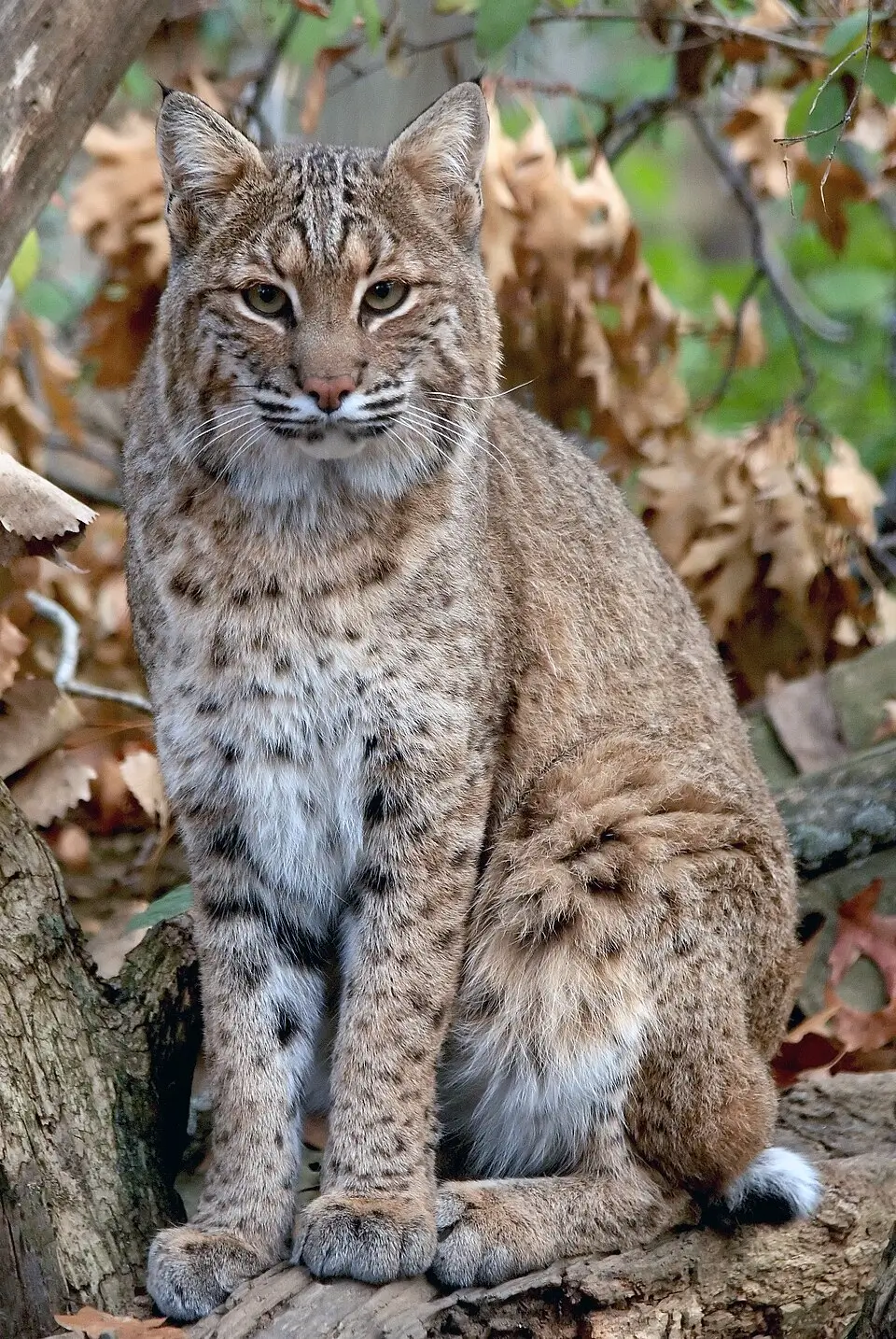
The American mink has a relatively short lifespan in the wild, with most individuals living three to four years, though captive animals can live considerably longer. Natural predators include larger raptors such as great horned owls and red-tailed hawks, as well as terrestrial carnivores like foxes, coyotes, and bobcats.
Habitat & Range
The American mink is native to North America and enjoys one of the broadest geographic distributions of any mustelid on the continent. Its range extends from the Atlantic coast to the Pacific coast, and from the southern United States northward through Canada and into Alaska. This wide distribution reflects the species' remarkable adaptability and its ability to thrive across a diverse array of climatic and ecological conditions.
True to its semi-aquatic nature, the American mink is almost always found in close association with water. It shows a strong preference for habitats along the edges of rivers, streams, lakes, ponds, marshes, and coastal wetlands. Riparian zones — the vegetated areas flanking bodies of water — provide the mink with ideal conditions: abundant prey, shelter from predators, and ready access to aquatic hunting grounds. Dense bankside vegetation, root tangles, fallen logs, and rocky outcroppings all serve as important cover and denning habitat for the species.
In Alaska and the broader northern range of its distribution, the American mink thrives in boreal forest wetlands, river deltas, and coastal marshes. The state's vast network of rivers, lakes, and coastal habitats makes it prime mink country. The cold, clear waters of Alaska's interior and coastal regions support the abundant fish and invertebrate populations that form the backbone of the mink's diet in these northern landscapes.
The species is also notably absent from the driest desert regions of the American Southwest, where permanent water sources and suitable prey are scarce — a reminder that despite its adaptability, the American mink remains fundamentally tied to aquatic environments.
Hunting and Trapping Information
The American mink has a long and important history in the North American hunting and trapping tradition. For generations, trappers have pursued mink for its valuable fur, and it remains a target species for licensed trappers across much of its range today. Trapping is the primary method used to harvest mink, with steel-jawed traps and body-gripping traps commonly employed along waterways where the animals travel and hunt.
Successful mink trapping requires a solid understanding of the animal's behavior, habitat preferences, and movement patterns. Experienced trappers typically set traps along well-used runs at the water's edge, near den sites, or at points where the mink must squeeze through narrow passages — locations where the animal's natural curiosity and predictable travel routes work in the trapper's favor. Scent lures and natural bait such as fish are often used to attract mink to trap sets.
Hunting regulations for American mink, including season dates, bag limits, and licensing requirements, vary by state and territory and are managed by individual wildlife agencies to ensure sustainable harvest levels. Prospective hunters and trappers in Alaska and elsewhere are strongly encouraged to consult their state's official wildlife management agency for the most current and accurate regulatory information before pursuing this species. Regulations can change from year to year, and compliance with all applicable laws is both a legal obligation and an ethical responsibility for every sportsperson.
Conservation
From a conservation standpoint, the American mink is currently considered a species of least concern throughout most of its native range. Healthy, self-sustaining populations exist across much of North America, supported by the continent's extensive network of rivers, lakes, and wetlands. Regulated trapping, guided by science-based wildlife management practices, has allowed mink populations to remain stable even in areas with significant harvest pressure.
That said, like all wildlife, the American mink faces ongoing challenges tied to habitat loss and degradation. Wetland drainage, water pollution, and riparian habitat destruction can negatively impact mink populations by reducing prey availability and denning sites. Conservation efforts that protect and restore aquatic and riparian habitats benefit not only the American mink but the entire community of wildlife species that depend on these productive ecosystems.
It is also worth noting that in parts of Europe and South America, introduced populations of American mink have become established following escapes from fur farms, where the species is considered an invasive species with significant impacts on native wildlife. This underscores the importance of responsible stewardship and the careful management of both wild and captive populations.
Conclusion
The American mink is a remarkable animal — a sleek, resourceful, and ecologically important predator that has thrived alongside North America's waterways for millennia. From the marshes of the Gulf Coast to the river deltas of Alaska, this adaptable mustelid continues to play a vital role in the ecosystems it inhabits. For hunters, trappers, and wildlife enthusiasts alike, the American mink represents a living connection to the continent's wild heritage — a reminder of the extraordinary diversity of life that flourishes wherever clean water flows.