The Bobcat: North America's Most Adaptable Wild Cat
A Comprehensive Guide to Lynx rufus
Few wild animals capture the imagination of hunters, wildlife enthusiasts, and naturalists quite like the bobcat. Sleek, powerful, and remarkably elusive, this medium-sized wild cat has carved out a place in the ecosystems of North America that is nothing short of extraordinary. Whether glimpsed crossing a dirt road at dusk, spotted padding silently through a snow-dusted forest, or tracked across open desert scrubland, an encounter with a bobcat is a moment that stays with you.
The bobcat (Lynx rufus) is the most widely distributed wild cat in North America, and one of the most successful predators on the continent. Its ability to thrive across an astonishing variety of landscapes — from dense boreal forests and swampy lowlands to arid deserts and suburban fringes — speaks to a level of biological and behavioral adaptability that few other carnivores can match. Despite being secretive by nature, bobcats are far more common than most people realize, quietly going about their lives in habitats that often overlap with human activity.
For hunters, the bobcat represents one of the most challenging and rewarding pursuits available in North American big game and predator hunting. Pursuing this animal demands woodsmanship, patience, and a deep understanding of wild places. For wildlife observers and conservationists, the bobcat serves as an important indicator species — a barometer for the health of the ecosystems it inhabits. For everyone who spends time in the outdoors, knowing more about this remarkable animal enriches every experience in the field.
This article explores the bobcat in depth — its biology, its range, its place in the hunting tradition, and the conservation story that has made it one of North America's genuine wildlife success stories.
Biological Traits
The bobcat (Lynx rufus) belongs to the family Felidae and is a member of the genus Lynx, which it shares with three other species: the Canada lynx (Lynx canadensis), the Eurasian lynx (Lynx lynx), and the Iberian lynx (Lynx pardinus). Of these, the bobcat is the smallest in overall geographic range terms but by far the most numerically successful in North America.
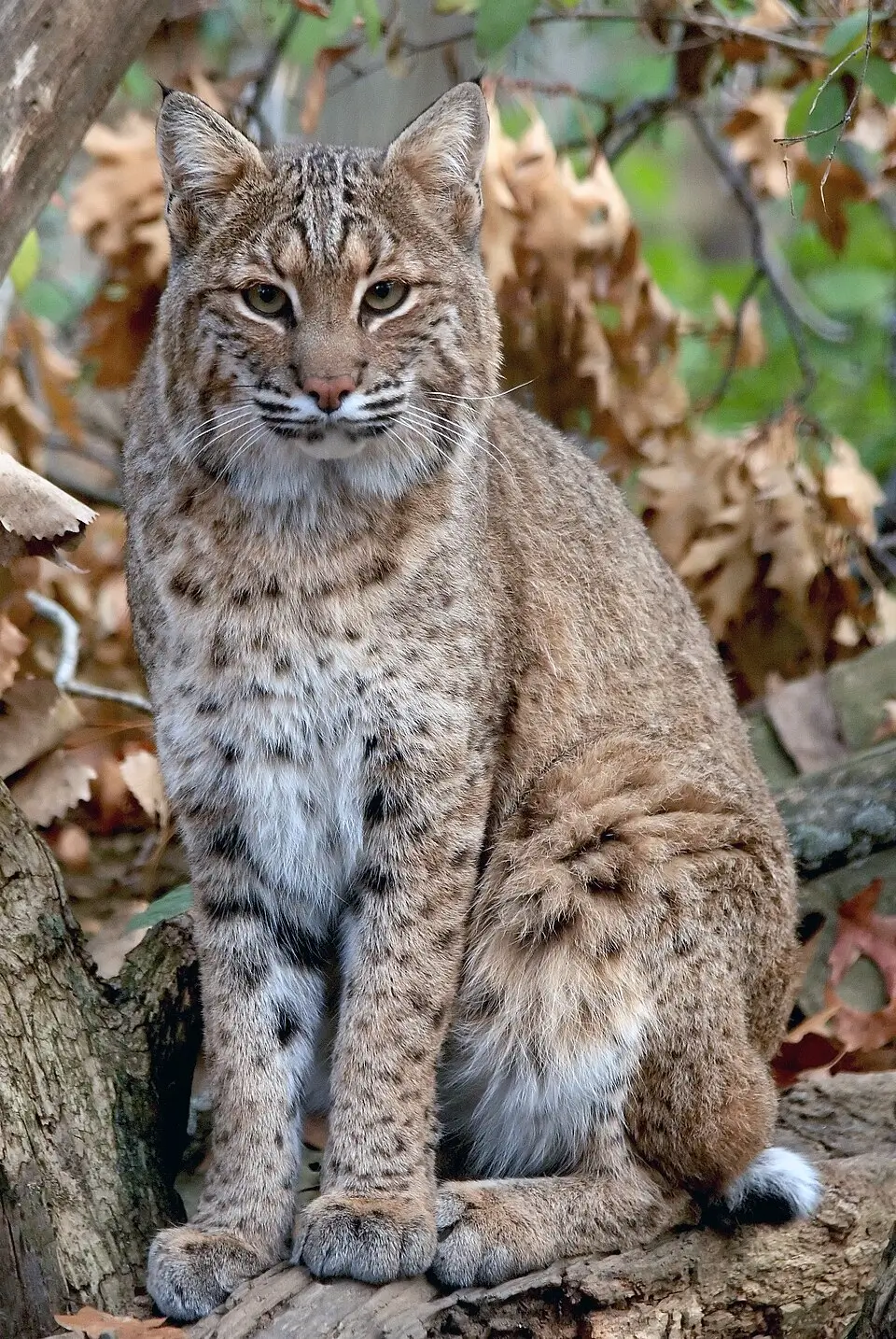
One of the bobcat's most distinctive physical features is its namesake "bobbed" tail — a short, stubby tail that typically measures only a few inches in length, with a black tip on the upper surface and a white underside. This characteristic tail, combined with the cat's tufted ears and spotted, tawny coat, makes it unmistakable when observed closely. The fur is typically a buff to brown color with darker streaks and spots, providing exceptional camouflage in nearly every habitat the animal occupies. The coat can vary considerably across its range — individuals in the northern and eastern portions of the range tend to be darker, while those in the arid Southwest are often paler and more sandy in coloration.
The bobcat's facial features include a characteristic ruff of fur around the cheeks, giving it a somewhat wide-faced appearance, and ears tipped with short black tufts — a trait shared with its cousin, the Canada lynx, though the bobcat's tufts are noticeably shorter. Its eyes are sharp and keen, well-suited for both day and night activity, with pupils that narrow to vertical slits in bright light — a hallmark of the felid family.
As a predator, the bobcat is extraordinarily capable for its size. It is an ambush hunter, relying on stealth, patience, and explosive bursts of speed to capture prey. The diet is highly varied and opportunistic. Rabbits and hares form the cornerstone of the bobcat's diet across much of its range, but the animal is equally capable of taking white-tailed deer, particularly fawns and weakened adults during winter months. Small rodents, birds, reptiles, and even insects round out the menu depending on season and availability. This dietary flexibility is a major reason the bobcat has thrived even as landscapes have changed around it.
Bobcats are solitary animals, with individuals maintaining and defending territories that they mark with scent, scratch marks on trees, and other visual and olfactory signals. Territory sizes can vary enormously depending on prey availability and habitat quality. Males typically maintain larger territories than females, and male territories often overlap with those of one or more females. Outside of the brief mating season, adult bobcats generally avoid one another.
Reproduction in bobcats follows a pattern typical of many felids. Mating typically occurs in late winter, and after a gestation period of roughly 60 to 70 days, females give birth to litters of one to six kittens, with two to four being most common. Kittens are born with their eyes closed and are entirely dependent on their mother for the first weeks of life. By late summer and fall, young bobcats begin to disperse and establish their own territories, a journey that can take them many miles from their birthplace.
Bobcats are largely crepuscular and nocturnal, being most active around dawn and dusk, though they can be observed moving at any hour of the day, particularly in areas with low human disturbance. They are capable swimmers and climbers, and while they generally prefer to stay on the ground, they will readily take to trees to escape threats or to access prey.
Habitat & Range
The bobcat's range is one of the most extensive of any wild cat species in the world. It spans the entire continental United States, much of southern Canada, and extends well into Mexico. This remarkable distribution encompasses an almost mind-boggling variety of ecosystems: coniferous and mixed forests of the Northeast and Pacific Northwest, the hardwood forests and cypress swamps of the Southeast, the grasslands and shrublands of the Great Plains, the Chihuahuan and Sonoran Deserts of the Southwest, the chaparral and oak woodlands of California, and the rocky mountain terrain of the Rockies and Sierra Nevada.
Within this vast range, the bobcat tends to favor areas with dense cover — brush, rocky outcroppings, thickets, and woodland edges — that provide both concealment for hunting and shelter for denning and resting. The animal's preference for edge habitat, where different vegetation types meet, aligns naturally with the landscape structure of much of North America and contributes to its ability to thrive even in fragmented or human-altered environments.
In terms of elevation, bobcats are found from sea level to well above 10,000 feet in mountainous regions. They are genuinely adaptable in this regard, adjusting their behavior and movements seasonally to follow prey and avoid the harshest weather conditions. In northern portions of the range, deep snow can be a limiting factor, as the bobcat's smaller, less well-furred paws are less effective than those of the Canada lynx for traveling in heavy snowpack — a key reason why the two species generally partition northern habitats, with the lynx dominating in deep-snow boreal zones and the bobcat thriving in areas of shallower or more intermittent snow.
Hunting Information
The bobcat holds a cherished place in the tradition of North American predator hunting. Pursuing this secretive and highly capable animal is considered among the more demanding challenges available to hunters, requiring a combination of calling skill, tracking ability, and intimate knowledge of the landscape.
Hunters typically pursue bobcats using predator calls — both mouth calls and electronic calls that mimic the distress sounds of rabbits, rodents, and birds. The bobcat's strong prey drive makes it responsive to these calls, though it approaches with far more caution and deliberation than many other predators, often hanging up at the edge of cover and taking considerable time to commit. This wariness is part of what makes bobcat hunting so deeply satisfying for those who pursue it seriously.
Hounds hunting is another time-honored method, particularly in the South and parts of the West, where packs of trained hounds track and tree bobcats for hunters to approach on foot. This traditional method demands significant investment in the training and care of hunting dogs and represents a rich cultural heritage within the predator hunting community.
Because hunting regulations for bobcats vary significantly by state and region, it is essential that all hunters consult their state or provincial wildlife agency for current, up-to-date season dates, bag limits, licensing requirements, and any applicable reporting mandates before pursuing bobcats. Regulations are subject to change, and responsible hunters always verify current rules directly with official wildlife management authorities in their jurisdiction.
Conservation
The bobcat's conservation story is, by and large, a genuinely positive one — and a testament to the effectiveness of science-based wildlife management. After experiencing population pressures in parts of its range during the 20th century, the bobcat has rebounded strongly across much of North America thanks to regulated hunting, habitat protection, and the overall expansion of forested and brushy landscapes that followed the decline of intensive agricultural land use in many regions.
Today, the bobcat is classified as a species of Least Concern by the International Union for Conservation of Nature (IUCN), reflecting its broad distribution and stable population numbers. It is listed in Appendix II of the Convention on International Trade in Endangered Species (CITES), which allows regulated international trade in bobcat pelts while ensuring that such trade does not threaten wild populations.
Wildlife managers across North America continue to monitor bobcat populations carefully, using harvest data, track surveys, camera trapping, and other tools to ensure that populations remain healthy and sustainable. Hunters contribute meaningfully to this conservation effort — not only through the license fees and excise taxes that fund wildlife management programs, but through the harvest data they provide and the broader culture of land stewardship that hunting fosters.
The bobcat's future across most of its range appears bright. As long as wild places are preserved and managed wisely, this remarkable animal will continue to thrive — padding silently through forests and deserts, hunting the edges of fields at dusk, and reminding all who encounter it of the wild heart that still beats within North America's landscapes.