The Raccoon (Procyon lotor): North America's Resourceful Masked Mammal
Few animals in North America are as instantly recognizable — or as endlessly fascinating — as the raccoon. With its distinctive black facial mask, ringed tail, and nimble forepaws, the raccoon (Procyon lotor) has become one of the continent's most iconic and adaptable wild mammals. Whether glimpsed raiding a backyard compost bin in a suburban neighborhood or spotted along a forested creek bank in the deep wilderness, raccoons have earned a reputation as remarkably clever, opportunistic, and resilient creatures.
The raccoon holds a special place in North American culture, ecology, and outdoor heritage. For generations of hunters and trappers, the raccoon has represented a beloved quarry — a crafty animal that demands skill, patience, and good dogs to pursue effectively. For wildlife enthusiasts and naturalists, the raccoon offers a fascinating window into the adaptability of wild animals in a rapidly changing world. And for ecologists, raccoons serve as an important indicator species and play meaningful roles in the ecosystems they inhabit.
Understanding the raccoon — its biology, behavior, range, and relationship with hunters and conservationists — helps us appreciate just how remarkable this common yet extraordinary animal truly is. This article explores the world of Procyon lotor in depth, covering everything from its biological traits and habitat preferences to its long history as a game animal and its status in conservation efforts today.
Biological Traits
The raccoon belongs to the family Procyonidae, a group of small to medium-sized omnivores that includes coatis, ringtails, and kinkajous. Within this family, the raccoon stands apart as the most widely distributed and ecologically successful member in North America.
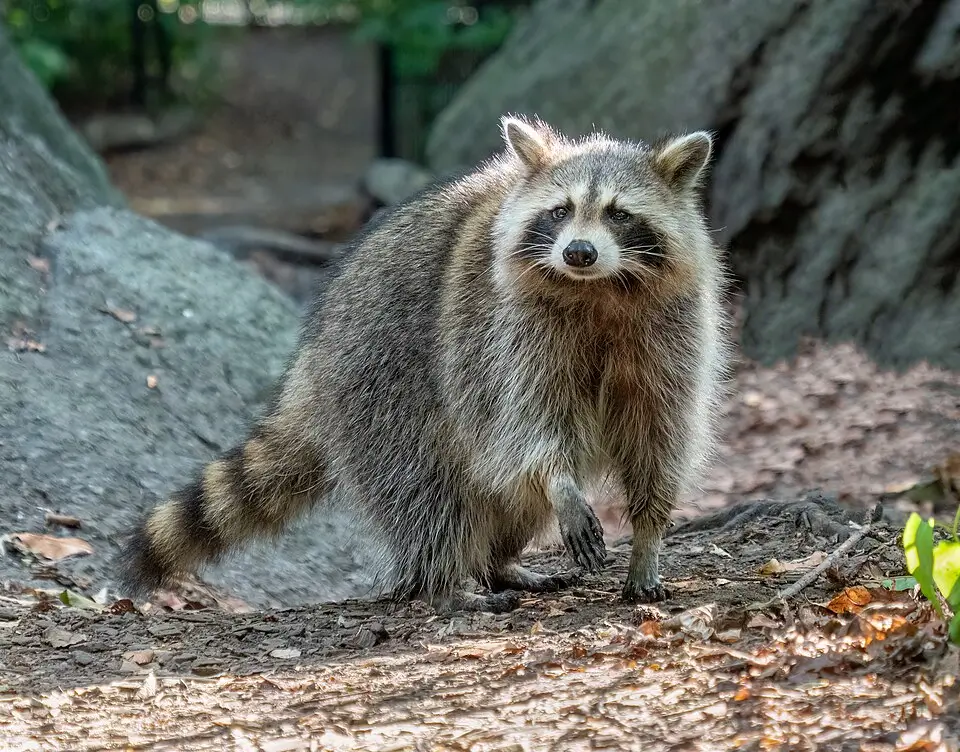
One of the raccoon's most distinctive physical features is, of course, the bold black mask that stretches across its eyes and cheeks. This striking facial pattern is not merely cosmetic — research suggests the mask may help reduce glare and enhance the animal's ability to see in low-light conditions, making it better suited to its largely nocturnal lifestyle. Complementing this mask is the raccoon's bushy, ringed tail, which typically displays alternating bands of dark and light fur — a feature that makes the animal instantly identifiable even at a distance or in poor light.
Raccoons are medium-sized mammals, with adults typically ranging in weight from roughly 8 to 20 pounds, though individuals in northern climates often grow considerably larger as they accumulate fat reserves for winter. Their fur is dense and grizzled gray-brown in color, providing excellent insulation against cold weather. Northern raccoons tend to be larger and heavier than their southern counterparts — a well-known biological phenomenon called Bergmann's Rule, which holds that animals within a species tend to be larger in colder climates.
Perhaps the raccoon's most remarkable anatomical feature is its front paws. Raccoons possess extraordinarily dexterous forepaws with five nimble fingers that function almost like hands. These sensitive paws allow raccoons to manipulate objects with impressive precision — opening latches, peeling food, turning doorknobs, and even untying simple knots. Their sense of touch is further enhanced when their paws are wet, as moisture appears to increase the sensitivity of the numerous nerve receptors concentrated in the skin of their feet. This behavior — often described as "washing" food — is actually better understood as tactile investigation, giving the raccoon valuable sensory information about what it is handling.
Raccoons are highly intelligent animals. Studies of their problem-solving abilities have demonstrated that they can remember solutions to tasks for up to three years, and they are capable of learning through both trial and error and by observing others. Their intelligence is one of the key reasons raccoons have thrived in urban and suburban environments, where they must constantly adapt to new challenges and opportunities.
As omnivores, raccoons maintain an extraordinarily varied diet. They consume fruits, nuts, berries, insects, worms, frogs, fish, crayfish, small mammals, bird eggs, and a wide range of human food waste. This dietary flexibility is one of the most important factors in the raccoon's ecological success. Few food sources are truly off-limits to a hungry raccoon, and their willingness to exploit whatever is seasonally available allows them to thrive in environments ranging from pristine wilderness to the heart of major cities.
Raccoons are primarily nocturnal, though they may be active during daylight hours, particularly in the fall when they are building fat reserves for winter. They do not truly hibernate but will enter periods of torpor during particularly cold stretches of winter weather, retreating to their dens and living off stored body fat. Dens may be located in hollow trees, rock crevices, abandoned burrows, attics, or any number of sheltered locations.
Breeding typically occurs in late winter, with females giving birth to litters of three to seven young — called kits — after a gestation period of approximately 63 days. Kits are born blind and helpless but develop quickly, opening their eyes at around three weeks and beginning to explore outside the den at around eight weeks. Young raccoons typically remain with their mother through their first winter before dispersing to establish their own home ranges.
Habitat & Range
The raccoon is one of the most widely distributed mammals in North America. Its native range spans the entire continental United States, southern Canada, and much of Central America, and introduced populations exist in parts of Europe and Asia, where the species has proven remarkably adept at establishing itself in new environments.
Within its range, the raccoon demonstrates an extraordinary degree of habitat flexibility. While it shows a preference for wooded areas near water — forests, wetlands, river bottomlands, and swampy terrain — it is equally at home in grasslands, agricultural areas, and dense urban and suburban environments. The presence of water is often a key factor in habitat selection, as raccoons rely heavily on aquatic food sources such as crayfish, frogs, and fish. Riparian corridors — the wooded strips along rivers and streams — are particularly productive raccoon habitats, offering both food and shelter in abundance.
In recent decades, raccoon populations have expanded significantly in urban and suburban areas across North America, demonstrating the species' remarkable ability to exploit human-modified landscapes. Cities provide raccoons with abundant food in the form of garbage, gardens, and compost, as well as numerous den sites in attics, chimneys, and storm drains. Urban raccoon densities can, in some areas, exceed those found in natural habitats.
In Alaska and other northern regions, raccoon presence varies considerably. While raccoons are not traditionally considered a signature species of Alaska's vast wilderness, their range does extend into parts of the state, particularly in southeastern Alaska and coastal areas where the climate is relatively mild. As with raccoons throughout their northern range, Alaskan individuals tend to be larger and heavier than those found further south.
Hunting Information
The raccoon has a long and proud history as a game animal in North America. Raccoon hunting — particularly the tradition of night hunting with hounds — is a deeply rooted part of outdoor culture in many regions of the United States. The sport requires skilled, trained dogs capable of trailing and treeing raccoons in darkness, and it demands hunters who are equally comfortable navigating rugged terrain by lantern or headlamp in the middle of the night.
Raccoon fur has historically been a valued commodity in the North American fur trade, and raccoon meat — while not as widely consumed today as in generations past — has long been a traditional food in many communities. The cultural significance of raccoon hunting runs deep, particularly in rural areas of the South, Midwest, and Appalachian regions.
For those interested in hunting raccoons in Alaska or any other state, it is essential to consult the official wildlife management agency in the relevant jurisdiction for current season dates, licensing requirements, bag limits, and any applicable regulations. Wildlife regulations are subject to change annually, and hunters bear the responsibility of ensuring they are fully informed and in compliance with all applicable laws before taking to the field. Specific regulatory information was not available from official state sources at the time this article was written, and prospective hunters in Alaska should contact the Alaska Department of Fish and Game directly for the most accurate and up-to-date information.
Conservation
The raccoon is currently classified as a species of least concern by wildlife conservation authorities, reflecting its robust and expanding populations across North America. Far from being threatened, raccoon populations have actually increased significantly over the past century, driven in part by the expansion of human development, which has created abundant new food sources and habitat opportunities for this opportunistic species.
Regulated hunting and trapping have historically played a positive role in raccoon population management, helping to maintain healthy, balanced wildlife communities and providing important data for wildlife managers. Hunters and trappers have long served as important partners in conservation efforts, contributing to funding wildlife management programs through the purchase of licenses and adherence to regulated harvest frameworks.
While the raccoon itself faces no significant conservation concern, maintaining the healthy, diverse ecosystems on which raccoons and countless other species depend remains an important priority. Wetland conservation, forest preservation, and responsible land stewardship all contribute to sustaining the landscapes that support raccoon populations and the rich outdoor traditions associated with them.
The raccoon's adaptability and resilience are, in many ways, a testament to the remarkable capacity of wildlife to thrive when given the opportunity. As ambassadors of North America's wild spaces — and of the ingenuity of nature itself — raccoons deserve our respect, our curiosity, and our continued commitment to the conservation of the natural world.