The North American Beaver: An Icon of Wilderness and Wetlands
Few animals have shaped the landscape of North America — both literally and historically — quite like the North American beaver (Castor canadensis). Known widely as a symbol of industriousness and environmental engineering, the beaver is a remarkable creature that has captured the imagination of naturalists, hunters, and wildlife enthusiasts for centuries. From the boreal forests of Alaska and Canada to the riparian corridors of the American South, this semi-aquatic rodent has left an indelible mark on the continent's ecology and culture.
Long before European settlers arrived, indigenous peoples across North America recognized the beaver as a vital resource, relying on it for food, fur, and tools. During the height of the North American fur trade in the 17th through 19th centuries, the beaver pelt became one of the most coveted commodities in the world, driving exploration of vast uncharted territories and shaping the political boundaries of a continent. Today, the North American beaver continues to hold a prominent place in outdoor culture, serving as both a prized furbearer and an ecological cornerstone in the wild places where it lives.
Whether you are a wildlife enthusiast marveling at an intricate beaver dam, a trapper pursuing one of North America's most storied furbearers, or simply someone who appreciates the natural world, the beaver deserves a closer look. This article explores the biology, habitat, hunting traditions, and conservation status of Castor canadensis — an animal that has earned its place among North America's most important and fascinating wildlife species.
Biological Traits
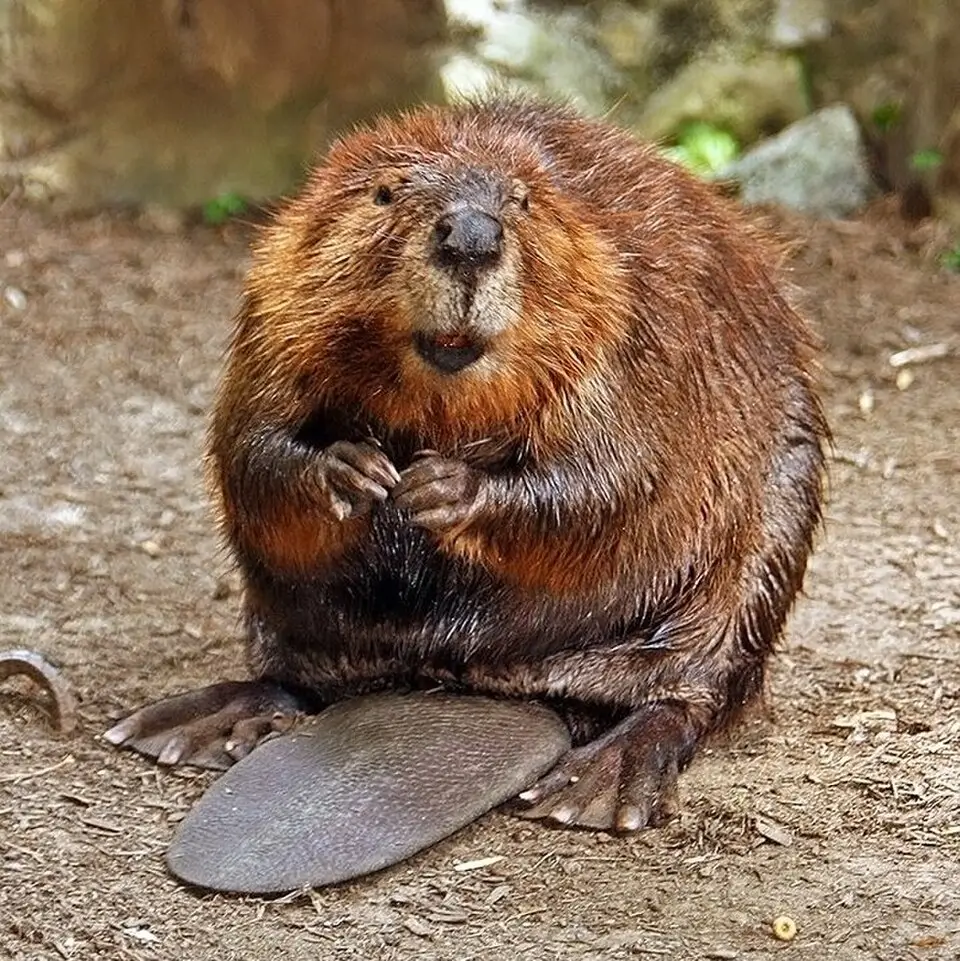
The North American beaver (Castor canadensis) is the largest rodent native to North America and one of the largest rodents in the world, second only to the South American capybara. Adults typically weigh between 35 and 65 pounds, though some individuals in particularly productive habitats can exceed 100 pounds. Their body plan is ideally suited for an aquatic lifestyle: a broad, flat, paddle-shaped tail, dense waterproof fur, webbed hind feet for powerful swimming, and transparent third eyelids (nictitating membranes) that allow them to see clearly underwater.
One of the beaver's most distinctive features is its large, prominent incisors, which are coated in iron-rich enamel that gives them an orange hue. These continuously growing teeth are extraordinarily strong and sharp, allowing beavers to fell trees many times their own size. The beaver uses these incisors not just for gnawing wood, but also for grooming — they are, in essence, multi-purpose tools that the animal could not survive without.
Beavers are herbivores, feeding primarily on the bark, twigs, and leaves of trees such as aspen, willow, cottonwood, and birch. They also consume aquatic plants, grasses, and sedges. During the warmer months, beavers are busy caching food for the winter — submerging branches and logs near the entrance to their lodge so they have a reliable food source accessible beneath the ice.
Perhaps the beaver's most remarkable biological trait is its role as a keystone species and ecosystem engineer. Through the construction of dams, beavers dramatically alter their surrounding landscape. A beaver dam is built from sticks, logs, mud, and debris, and can span dozens of feet across a stream or river. The ponds created by these dams slow water flow, raise the water table, reduce erosion, filter sediments, and create rich wetland habitats that support an extraordinary diversity of wildlife — including fish, waterfowl, amphibians, songbirds, and mammals.
Beavers are also known to build lodges — dome-shaped structures constructed from sticks and mud with underwater entrances that provide protection from predators such as wolves, coyotes, bears, and river otters. A family unit of beavers, known as a colony, typically consists of a monogamous mated pair and their offspring from the current and previous year. Young beavers, called kits, are born in the spring, usually in litters of two to four, and remain with their parents for up to two years before dispersing to establish their own territories.
The beaver communicates through a variety of methods, including scent mounding — piles of mud and debris marked with castoreum, a secretion from specialized scent glands — tail slapping on the water surface as an alarm signal, and vocalizations.
Habitat & Range
The North American beaver is one of the continent's most widely distributed mammals. Its range extends across most of North America, from the boreal forests and tundra edges of Alaska and northern Canada southward through the contiguous United States and into parts of northern Mexico. The species is highly adaptable and can be found in a wide variety of aquatic habitats, including rivers, streams, lakes, ponds, marshes, and even roadside ditches and agricultural drainages.
In Alaska specifically, beavers occupy a significant portion of the state's interior, boreal, and southcentral regions. The vast network of rivers, streams, and wetlands across Alaska provides ideal beaver habitat, and the species plays an important role in shaping those landscapes. In recent decades, beavers have expanded their range northward into areas of the Alaskan Arctic where they were historically absent, a phenomenon that researchers believe may be linked to changing climate conditions and shifting vegetation patterns.
The ideal beaver habitat features slow-moving or still water with access to abundant woody vegetation within a short distance. Beavers prefer areas where the water is shallow enough to allow them to construct effective dams, but deep enough (once the pond is formed) to remain unfrozen at the bottom through the winter months, ensuring access to their food caches. Riparian corridors — the bands of vegetation along waterways — are critically important to beaver populations and represent one of the most biodiverse ecosystems in North America.
Hunting and Trapping Information
The North American beaver has a rich tradition as a furbearer in North American hunting and trapping culture. Beaver trapping, in particular, represents one of the oldest and most storied outdoor traditions on the continent. Modern trappers pursue beavers using a variety of legal and ethically sound methods, including body-gripping traps, foothold traps, and snares, depending on local regulations.
Beaver fur remains valued in the fur trade today, prized for its density, durability, and warmth. In addition to the pelt, beaver castor (castoreum) has historically been used in perfumery and as a trapping lure, and beaver meat is considered a wholesome and flavorsome wild game by many hunters and trappers.
In Alaska and across much of North America, beaver trapping is managed by state and territorial wildlife agencies, which set seasons, bag limits, and licensing requirements to ensure sustainable harvest. Regulations vary significantly by state, province, and territory, and it is always essential for hunters and trappers to consult current regulations from their local wildlife management agency before pursuing beaver.
Because specific season dates, license requirements, and bag limits for Alaska were not available in the source data consulted for this article, readers interested in pursuing beaver in Alaska are strongly encouraged to visit the Alaska Department of Fish and Game website directly for the most current and accurate regulatory information. Trapping regulations are updated regularly and compliance with all applicable laws is both a legal requirement and an ethical responsibility.
The beaver's habits make it a challenging and rewarding quarry. Successful trappers learn to read sign — chewed stumps, drag trails, scent mounds, mud slides, and lodge activity — to identify productive sets. Patience, woodsmanship, and a thorough understanding of beaver behavior are the marks of a skilled beaver trapper.
Conservation
The conservation story of the North American beaver is one of wildlife management's greatest success stories. By the early 20th century, rampant unregulated trapping during the fur trade era had reduced beaver populations to dangerously low levels across much of their former range. Concerted conservation efforts, including regulated trapping seasons, reintroduction programs, and habitat protection, allowed populations to recover dramatically throughout the 20th century.
Today, the North American beaver is classified as a species of least concern by the International Union for Conservation of Nature (IUCN), with populations considered stable and widespread across the continent. In many regions, beaver populations are robust and thriving, and regulated harvest continues to play an important role in managing populations in balance with the landscape.
Beyond its own population health, the beaver's ecological contributions make its conservation deeply intertwined with the health of wetland and riparian ecosystems across North America. The ponds and wetlands created by beaver activity provide irreplaceable habitat for hundreds of other species. Wildlife managers, conservation organizations, and researchers increasingly recognize the beaver as a powerful, cost-effective tool for wetland restoration, watershed management, and even drought mitigation. In some arid western landscapes, beaver reintroduction programs are being used to restore stream function and water retention in degraded drainages.
In Alaska, the beaver is a valued part of a rich wildlife heritage and continues to thrive across millions of acres of pristine wild habitat. Responsible hunting, trapping, and wildlife management practices ensure that future generations will continue to enjoy the presence of this remarkable animal in the wild places it calls home.
The North American beaver is far more than a furbearer or an ecological curiosity — it is a living symbol of wildness, resilience, and the enduring power of nature to shape the world around it.