The Muskrat: North America's Industrious Aquatic Rodent
A Complete Guide to Ondatra zibethicus
Few animals embody the spirit of North America's wetlands quite like the muskrat. A semi-aquatic rodent that has thrived across the continent for millennia, the muskrat (Ondatra zibethicus) is one of the most ecologically significant and widely recognized furbearers in the wild. From the vast river deltas of Alaska to the marshes of the Gulf Coast, this resourceful creature has carved out a niche that makes it an essential part of the ecosystems it inhabits.
The muskrat is often an unsung hero of wetland environments. Despite its modest size, it plays an outsized role in shaping the landscapes around it — creating habitat for other species, cycling nutrients through aquatic systems, and providing a vital food source for a wide range of predators. For hunters and trappers, the muskrat has also long represented a cornerstone of the North American furbearer tradition, offering an accessible and rewarding pursuit that connects participants to centuries of outdoor heritage.
Whether you are a seasoned trapper, a wildlife enthusiast, or someone simply curious about the animals that populate the marshes and waterways near your home, the muskrat is a species well worth understanding in depth. This article explores the biology, behavior, habitat, hunting traditions, and conservation status of one of North America's most fascinating small mammals.
Biological Traits
The muskrat belongs to the family Cricetidae and is the sole member of the genus Ondatra, making it a unique species within the rodent world. Its scientific name, Ondatra zibethicus, references both its indigenous name and its musk-producing glands — the "zibethicus" portion deriving from a Latin word associated with musky scents.
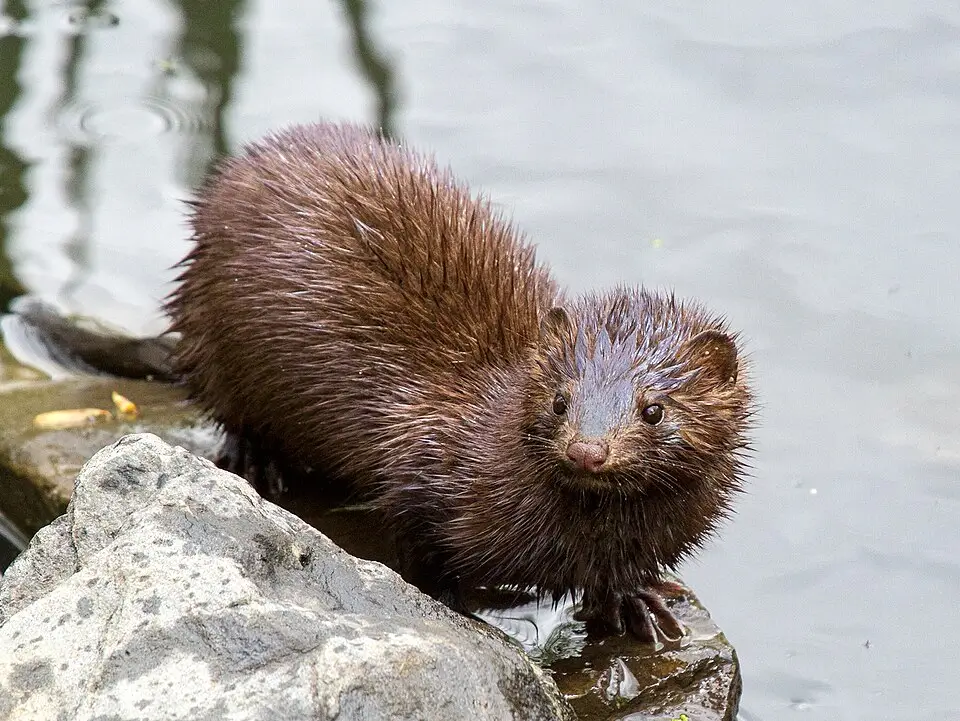
In terms of physical appearance, the muskrat is a medium-sized rodent, noticeably larger than most common mice and rats but considerably smaller than its close relative, the beaver. Its body is compact and well-adapted for aquatic life. The fur is dense and layered, consisting of a soft, insulating undercoat overlaid with longer, glossy guard hairs. This two-layered coat provides excellent waterproofing and insulation, allowing the muskrat to remain active in cold water throughout much of the year.
The coloration of muskrat fur typically ranges from dark brown on the back and sides to a lighter, grayish or tan tone on the underside. This natural variation in color has historically made the pelt desirable in the fur trade, where it could be processed and dyed to resemble more exotic furs.
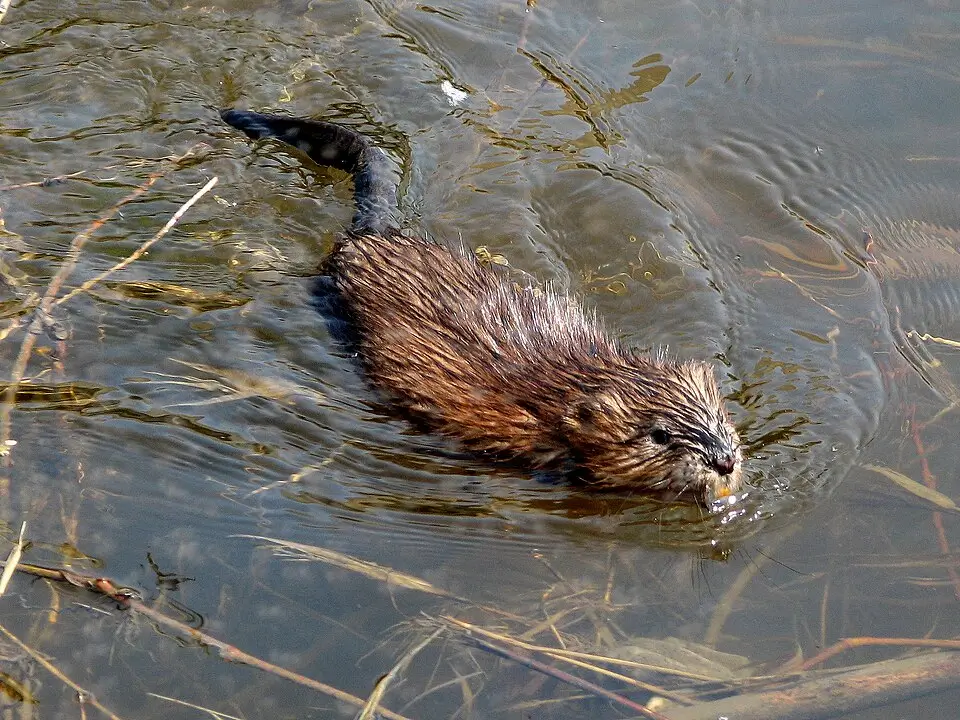
One of the muskrat's most distinctive physical features is its tail — long, laterally flattened, and nearly hairless. Unlike the beaver's broad, paddle-like tail, the muskrat's tail is narrow and scaly, acting as a rudder during swimming. Combined with partially webbed hind feet, this adaptation makes the muskrat a remarkably agile swimmer capable of navigating both still and moving water with ease.
The muskrat also possesses large, orange-tinged incisors that are characteristic of many rodents. These teeth are not only strong enough to gnaw through aquatic vegetation and woody plant material but are also waterproof by nature — a useful adaptation for an animal that spends much of its time feeding below the surface. Notably, the muskrat's lips close behind its incisors, allowing it to gnaw and chew underwater without swallowing water.
The musk glands that give the animal its common name are located near the base of the tail. During the breeding season in particular, muskrats use this musky secretion to mark territory and communicate with potential mates — a behavior that has fascinated naturalists for generations.
Muskrats are generally most active during the early morning and late evening hours, following a crepuscular pattern, though they can be observed at any time of day or night depending on environmental conditions. Their keen sense of smell helps them detect predators and locate food sources, compensating for their relatively modest eyesight.
Habitat & Range
The muskrat is one of the most widely distributed mammals in North America. Its range extends from the northern reaches of Alaska and Canada south through the contiguous United States and into parts of northern Mexico. This broad distribution speaks to the muskrat's remarkable adaptability — it is capable of thriving in a diverse array of wetland environments, provided that suitable water and vegetation are available.
Marshes, swamps, ponds, lakes, rivers, streams, and irrigation canals all serve as potential muskrat habitat. The animal shows a particular preference for shallow, slow-moving or still water bodies with abundant emergent vegetation such as cattails, bulrushes, sedges, and various aquatic grasses. These plant communities provide both food and building materials for the muskrat's characteristic dome-shaped lodges.
Muskrat lodges are among the most recognizable structures in wetland environments. Constructed from heaping piles of vegetation, mud, and other available materials, these lodges rise above the water surface and can be surprisingly substantial in size. Inside, the lodge contains a dry, insulated chamber where the muskrat rests, raises young, and takes refuge from predators and harsh weather. In areas where bank habitat is available, muskrats may instead excavate burrows along waterway edges, creating extensive underground tunnel systems with underwater entrances.
In Alaska specifically, the muskrat occupies a wide variety of wetland habitats, including river floodplains, lake margins, and the vast lowland marshes found across interior and western regions of the state. Alaska's extensive wetland systems provide ideal conditions for muskrat populations, and the species has long been an important furbearer in the state's trapping tradition.
Beyond North America, the muskrat has also been introduced to parts of Europe and Asia, where it has established feral populations in countries including Russia, Germany, France, and China. In some of these regions, the muskrat is considered an invasive species due to its potential impact on water infrastructure and native vegetation, though in its native range it is viewed as a beneficial and ecologically important animal.
Hunting and Trapping Information
The muskrat has been a cornerstone of the North American trapping tradition for hundreds of years. Indigenous peoples harvested muskrats for both food and fur long before European contact, and the animal became an important commodity in the early fur trade that helped shape the economic development of the continent. Today, muskrat trapping and hunting remain popular pursuits across much of the species' range.
Trapping is the most common method used to harvest muskrats. Foothold traps, body-gripping traps (often called Conibear-style traps), and cage traps are all used effectively, typically set at underwater entrances to lodges and burrows or along well-worn muskrat runways in shallow water. Many experienced trappers favor locations where muskrat sign — such as feeding platforms, cut vegetation, and slide marks — is clearly visible.
Hunting muskrats with a firearm is also practiced in many areas, often during early morning or evening hours when the animals are most active at the water's surface. A small-caliber rifle or a shotgun loaded with small shot is typically sufficient for this purpose.
The muskrat pelt, while modest in size, has historically held commercial value in the fur market. The dense, soft underfur is warm and durable, and muskrat pelts have been used in the production of a wide range of fur garments over the decades. In many regions, muskrat meat is also consumed and is considered a flavorful wild game option, particularly in communities with strong traditional harvesting practices.
Important Note on Regulations: Hunting and trapping seasons, license requirements, and specific regulations for muskrat vary by state and territory. Hunters and trappers in Alaska and elsewhere should always consult their state or territorial wildlife management agency for the most current, accurate, and legally binding regulations before pursuing muskrat. At the time of writing, specific Alaska season dates and licensing requirements were not available through official state channels for this article.
Conservation
The muskrat is currently classified as a species of Least Concern by the International Union for Conservation of Nature (IUCN), reflecting its wide distribution, large population size, and adaptability to a variety of environmental conditions. Across most of its native range, the muskrat remains abundant and does not face significant conservation concerns.
That said, muskrat populations are not entirely immune to environmental pressures. Wetland loss and degradation represent the most significant long-term threats to muskrat populations, as the draining, filling, and pollution of marshes and other aquatic habitats directly reduces available living space and food sources. In regions where wetland conversion for agriculture or urban development has been extensive, local muskrat populations may have declined.
Water quality is another important factor. Muskrats are sensitive to the health of the aquatic ecosystems they inhabit, and pollution or changes in water chemistry can negatively affect both the animals themselves and the plant communities they depend upon.
Fortunately, conservation efforts aimed at preserving and restoring wetland habitats benefit muskrats alongside a wide array of other species. Programs that protect existing marshes, restore degraded wetland areas, and maintain water quality contribute positively to muskrat population stability.
Sustainable trapping, regulated through state and provincial wildlife agencies, also plays a role in the conservation picture. Managed harvesting helps ensure that muskrat populations remain in balance with their habitat, and the data collected through trapping programs contributes to scientific understanding of population trends over time.
The muskrat's ecological role as a wetland engineer — creating habitat through lodge construction and vegetation management — means that its continued presence benefits countless other species, from nesting waterfowl to fish and amphibians. Protecting the muskrat means protecting the broader wetland communities it helps sustain.
Conclusion
The muskrat is far more than a small brown rodent navigating the edges of a pond. It is an ecological keystone, a cultural symbol of North America's trapping heritage, and a testament to the power of adaptation. From the frozen wetlands of interior Alaska to the sprawling marshes of the continental interior, Ondatra zibethicus continues to thrive, shape landscapes, and connect human communities to the natural world.
For those fortunate enough to spend time along the waterways where muskrats make their home, the sight of one slipping quietly through the reeds at dawn is a reminder of the richness that healthy wetland ecosystems offer — and the importance of stewardship in preserving them for generations to come.