The Magnificent Moose: North America's Largest Deer
A Comprehensive Guide to Alces alces
Few animals command the landscape quite like the moose. Standing tall above the forest understory, wading through glacial lakes, and moving with a quiet, deliberate power through boreal wilderness, the moose is one of the most iconic and recognizable animals on the North American continent. For hunters, wildlife enthusiasts, photographers, and outdoor adventurers alike, an encounter with a moose is a genuinely unforgettable experience — one that speaks to the wildness and grandeur of the natural world.
Known scientifically as Alces alces, the moose holds the distinction of being the largest member of the deer family, Cervidae. Its range spans vast stretches of the Northern Hemisphere, from the boreal forests of Canada and the northern United States to the taiga and tundra regions of Scandinavia and Russia. In North America, few places offer a more authentic and awe-inspiring moose experience than the state of Alaska — a land of breathtaking scale and ecological richness where moose thrive in remarkable numbers.
Whether you are a seasoned big-game hunter with a moose tag in your pocket, a wildlife biologist studying ungulate behavior, or simply someone who appreciates the natural world in all its complexity, understanding the moose — its biology, its habits, its habitat requirements, and its place within the broader ecosystem — is a deeply rewarding pursuit. This article explores all of these dimensions, offering a thorough look at one of North America's most compelling wild animals.
Biological Traits
The moose (Alces alces) is a member of the order Artiodactyla and the family Cervidae, placing it firmly within the even-toed ungulates alongside white-tailed deer, elk, caribou, and numerous other species. Despite sharing this family tree, the moose is unmistakably distinct from its relatives in virtually every physical respect.
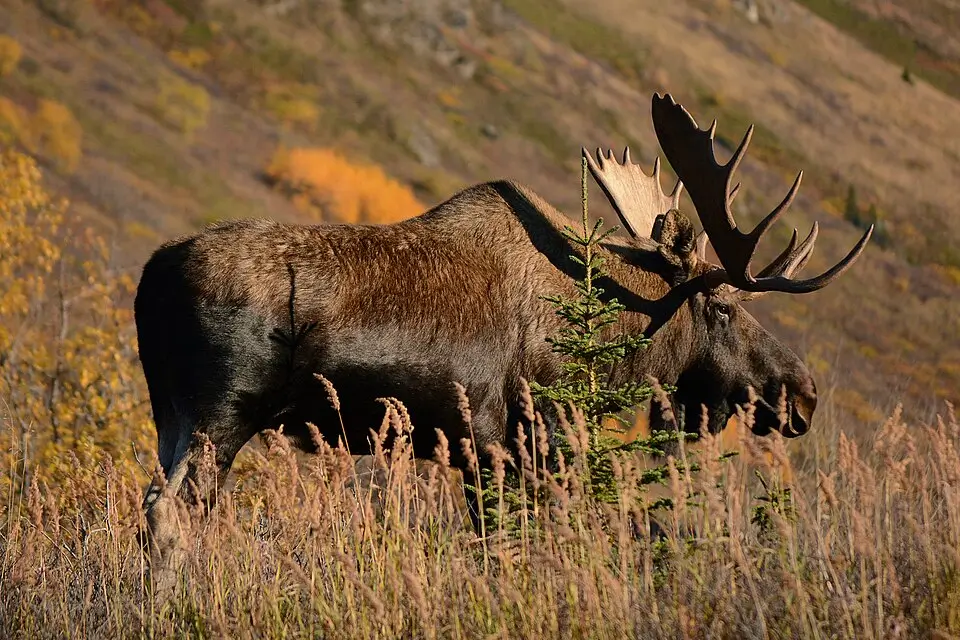
The most immediately striking feature of any adult moose is its sheer size. Moose are the largest living members of the deer family, and bulls — adult males — can be truly enormous animals. Their long, knob-kneed legs are adapted for wading through deep snow and navigating boggy, marshy terrain. Their broad, overhanging muzzle — often described as bulbous or pendulous — is a unique anatomical feature that sets them apart visually from all other deer species. A fleshy dewlap, sometimes called a "bell," hangs beneath the throat of both males and females, though it tends to be more pronounced in older bulls.
The coat of a moose is dark brown to nearly black, providing effective camouflage within the shadowed depths of boreal and subarctic forest. The legs are often lighter in color, sometimes appearing grayish or tan. This dense fur coat is highly insulating, a critical adaptation for surviving the extreme cold temperatures that characterize much of the moose's range.
Perhaps the most celebrated feature of the adult bull moose is its antlers. Unlike the branching, tined antlers of white-tailed deer or elk, moose antlers are palmate — broad, flat, and hand-like in structure, with multiple points projecting from a wide main beam. These antlers are shed and regrown annually, as is characteristic of the deer family. During the growing season, antlers are covered in a soft, blood-vessel-rich tissue known as velvet, which is shed as the rut approaches in autumn. A mature bull's antler spread can be truly impressive, making moose antlers among the most sought-after trophies in big-game hunting.
Moose are primarily browsers rather than grazers, feeding on the leaves, twigs, and bark of willows, aspens, birches, and other deciduous shrubs and trees. During warmer months, they frequently wade into ponds and lakes to feed on aquatic vegetation, which provides both important nutrients and relief from biting insects. This semi-aquatic feeding behavior is one of the most iconic and photographed aspects of moose biology.
The reproductive cycle of the moose is centered around the rut, which typically occurs in early autumn. During this period, bulls become increasingly vocal and aggressive, producing haunting, resonant vocalizations to attract cows and challenge rival males. Antler sparring and dominance displays are common. Cows give birth in late spring, typically to one or two calves. Moose calves are remarkably precocial — able to walk within days of birth — but remain vulnerable to predation and require close maternal protection during their first months of life.
Moose are generally solitary animals, unlike many herd-forming ungulates. Cows with calves, bulls during the rut, and congregations near particularly productive feeding areas are the most common exceptions to this generally asocial lifestyle. Their senses of smell and hearing are exceptionally acute, though their eyesight is considered relatively poor compared to other prey species. This makes scent management and wind awareness critically important considerations for hunters pursuing them in the field.
Habitat & Range
The moose is a species defined by cold climates and northern latitudes. Across the Northern Hemisphere, Alces alces occupies a broad circumpolar range that includes the boreal forests, subarctic shrublands, and riparian corridors of North America, Europe, and Asia. In North America, moose are found across Canada, the northern tier of the contiguous United States — including states such as Minnesota, Maine, Montana, Idaho, and Wyoming — and throughout Alaska.
Alaska, in particular, represents one of the most important strongholds for moose on the entire continent. As the northernmost, westernmost, and geographically largest state in the United States, Alaska provides an extraordinary diversity of habitats suitable for moose. The state's vast boreal interior forests, sprawling river valleys, coastal wetlands, and subalpine shrub communities all support moose populations. The Matanuska-Susitna Valley, the Kenai Peninsula, the Yukon Flats, and the river systems of interior and western Alaska are among the regions most closely associated with healthy, abundant moose populations.
Moose are highly adaptable within the constraints of their climatic preferences. They gravitate toward areas with reliable access to browse — particularly willows, which are a dietary staple across much of their range — as well as proximity to water. Riparian zones, river floodplains, and lake margins are therefore prime moose habitat. Dense coniferous forest is used for thermal cover and predator evasion, while more open shrub communities provide the browse that moose require in substantial quantities to maintain their large body mass.
Seasonally, moose may shift their use of habitat, moving to lower elevations and more sheltered valleys during periods of heavy snow, and returning to higher terrain and more open habitat during the productive growth season of summer and early autumn.
Hunting Information
Moose hunting is a deeply embedded tradition across much of North America, and Alaska is widely regarded as one of the premier destinations in the world for pursuing this magnificent animal. The combination of large, healthy moose populations, vast and wild terrain, and the deeply felt outdoor heritage of the Alaskan people makes moose hunting in the state an experience that draws hunters from across the continent and around the world.
In Alaska, moose hunting is regulated by the Alaska Department of Fish and Game, which manages seasons, bag limits, licensing requirements, and area-specific regulations. Prospective hunters should consult directly with the Alaska Department of Fish and Game for the most current and accurate regulatory information, including season dates, licensing requirements, and any special area restrictions that may apply to specific game management units. Regulations can vary significantly from one region to another, and staying current with official guidance is both a legal and ethical responsibility for every hunter.
Hunting methods for moose in Alaska are as varied as the landscape itself. Float hunting — using canoes, rafts, or small boats to navigate river systems — is a time-honored approach that allows hunters to cover large amounts of wilderness terrain and to float harvested animals out of otherwise inaccessible country. Many hunters also pursue moose on foot, glassing from elevated terrain and stalking into range through dense brush and timber. Bush plane access is commonly used to reach remote areas, and pack-in horseback or backpack hunts are also undertaken by those willing to invest in an especially challenging and rewarding wilderness experience.
The bull moose's rut in early autumn is often considered the prime time to hunt, as bulls are more active, more vocal, and more responsive to calling during this period. Skilled hunters and guides can use moose calls — mimicking the sounds of cows or challenging bulls — to draw animals within range, creating some of the most exciting and intimate wildlife encounters possible in the field.
Harvesting a bull moose in the Alaskan wilderness is no small undertaking. The sheer size and weight of the animal demands careful planning, adequate equipment, and a solid strategy for meat care and transport. Proper field dressing, quartering, and cooling of the meat are essential to preserve the high-quality protein that moose hunting yields — one of the finest wild game meats available anywhere in North America.
Conservation
The moose occupies a central place in the ecology of the boreal and subarctic regions it calls home. As a large herbivore with significant impact on vegetation communities, the moose plays an important role in shaping the structure and composition of the forests and shrublands it inhabits. Its presence supports predators such as wolves and bears, and its calves are an important prey resource for these apex carnivores, illustrating the moose's position as a keystone species within its ecosystem.
Moose populations across North America are generally considered stable, and the species is classified as Least Concern on the IUCN Red List of Threatened Species, reflecting its broad range and relatively healthy overall numbers. However, regional population dynamics can vary, and wildlife managers pay close attention to factors such as predator-prey relationships, habitat quality, climate trends, and harvest levels to ensure that populations remain sustainable over the long term.
Alaska's moose populations benefit from some of the most carefully managed and scientifically grounded wildlife programs in the United States. The Alaska Department of Fish and Game employs population surveys, harvest reporting requirements, and adaptive management strategies to maintain healthy moose herds across the state's diverse game management units.
Hunters themselves play a meaningful role in moose conservation. License and tag fees directly fund wildlife management programs, habitat work, and research efforts that benefit moose and countless other species. Ethical hunting — grounded in respect for the animal, adherence to regulations, and a commitment to fair chase principles — is fully compatible with, and indeed supportive of, long-term conservation goals.
The future of the moose in North America depends, as it always has, on thoughtful stewardship of wild lands and wild populations. For those who venture into the wilderness in pursuit of this extraordinary animal, that responsibility is one taken seriously and with pride.