The Groundhog (Marmota monax): A Comprehensive Guide to North America's Most Famous Burrower
Few animals in North America carry the cultural weight of the groundhog. Known scientifically as Marmota monax, this stocky, industrious rodent has captured human imagination for centuries — most famously through the beloved tradition of Groundhog Day, celebrated each February 2nd. But beyond the folklore and festival fanfare lies a genuinely fascinating wild animal with remarkable biological adaptations, a broad natural range, and a meaningful role in the ecosystems it inhabits.
The groundhog is a member of the squirrel family, Sciuridae, and belongs to the group of large ground squirrels known as marmots. It is the largest member of the marmot family found in the eastern United States and Canada, and it goes by a surprising number of regional names — woodchuck, whistle-pig, land beaver, and thickwood badger, among others. The name "woodchuck" has nothing to do with wood or chucking, but rather derives from the Algonquian word wuchak, a nod to the animal's deep roots in Indigenous North American culture and ecology.
Whether you encounter a groundhog peering cautiously over the edge of a farm field, disappearing into a burrow on a grassy hillside, or basking in the sun during a warm summer afternoon, there is something deeply compelling about this animal. It is a creature of routine, resilience, and surprising complexity — and for many hunters and wildlife enthusiasts, it represents one of the most accessible and rewarding small-game pursuits available.
Biological Traits
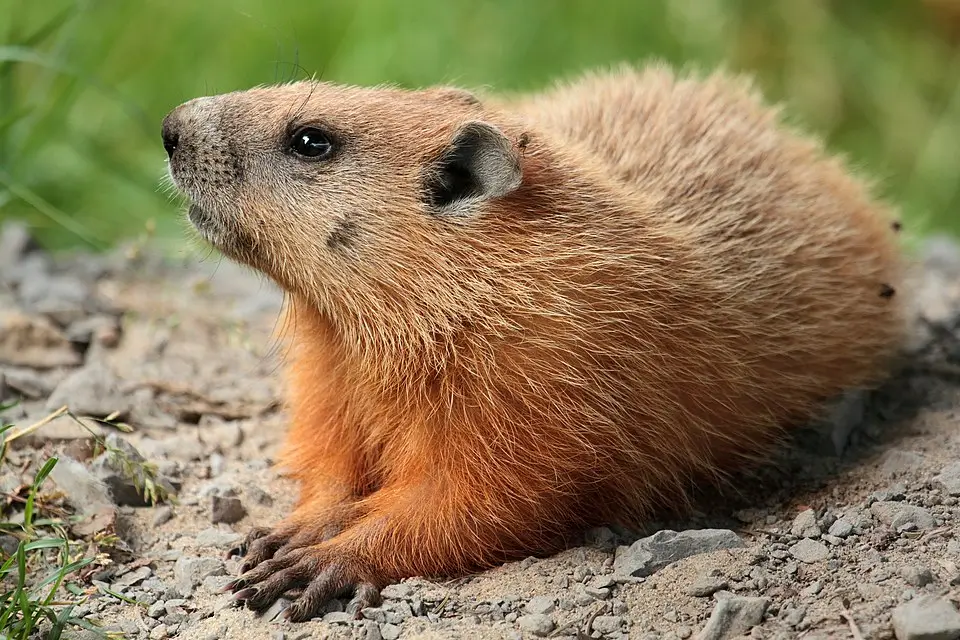
The groundhog is a robust, heavyset mammal with a broad, flattened head, short ears, and a medium-length bushy tail. Its coat is typically a grizzled brown or reddish-brown on the upper body, with a slightly paler or buffy underside. The feet are dark brown to black, and the claws are strong and well-developed — perfectly suited for the digging lifestyle that defines the species.
Adult groundhogs typically weigh between four and fourteen pounds, with their weight fluctuating dramatically throughout the year. In late summer and early autumn, groundhogs enter a period of intense feeding known as hyperphagia, during which they rapidly accumulate fat reserves to sustain them through hibernation. By the time they retreat underground in late fall, a groundhog may have nearly doubled its spring body weight.
One of the most extraordinary aspects of Marmota monax is its capacity for true hibernation — a physiological state that sets it apart from many other North American mammals. Unlike bears, which enter a lighter torpor during winter, groundhogs undergo a dramatic reduction in all bodily functions. Their heart rate drops from a normal rate of around 80 beats per minute to as few as 5 beats per minute. Body temperature plummets from approximately 99°F to near the ambient temperature of their burrow, sometimes as low as 35–40°F. Breathing slows to just a few breaths per minute. This deep hibernation typically lasts from October or November through late February or March, depending on geographic location and weather conditions.
Groundhogs are also notably vocal animals. They are capable of producing a variety of sounds, including a sharp, high-pitched whistle when alarmed — earning them the regional nickname "whistle-pig." This alarm call alerts other nearby groundhogs and wildlife to the presence of a predator. They are also known to produce low barks, squeals, and tooth-chattering sounds in various social contexts.
Reproduction in groundhogs occurs in early spring, shortly after the animals emerge from hibernation. Females typically give birth to a litter of two to six young, known as kits or pups, after a gestation period of approximately 31 to 32 days. The young are born blind, hairless, and helpless, but develop quickly. By midsummer, juvenile groundhogs are large enough to disperse and begin establishing their own burrow systems.
The burrows themselves are architectural achievements worth noting. A typical groundhog burrow can extend five feet deep and up to twenty-five feet in length, featuring multiple entrance and exit holes, sleeping chambers, and even separate latrine areas. These burrows serve not only the groundhog itself but also provide critical shelter for dozens of other species, including foxes, skunks, rabbits, opossums, and a wide range of reptiles and invertebrates. The groundhog is, in ecological terms, a keystone burrower — its engineering work benefits the broader community of animals sharing its landscape.
Habitat & Range
The groundhog has an impressively broad distribution across eastern North America. Its range extends from the Atlantic coast westward through the Great Plains, and from the southern United States northward well into Canada, including portions of Alaska and the Yukon, where related marmot species also thrive in open boreal and sub-alpine habitats.
Groundhogs are generalist habitat users, showing a strong preference for areas where open ground meets woodland edges. They are frequently encountered along forest margins, brushy fencerows, open meadows, agricultural fields, and the grassy borders of roads and railways. This affinity for edge habitat has allowed the groundhog to thrive in human-altered landscapes. Farms and suburban properties often provide ideal conditions — abundant herbaceous vegetation for foraging, open soil for burrowing, and a patchwork of cover and open ground.
Groundhogs are herbivores with a broad palate. They consume a wide variety of grasses, clovers, alfalfa, dandelions, plantain, and other low-growing vegetation. They are also known to eat fruits, berries, and occasionally agricultural crops such as soybeans, beans, and peas. During the summer months, their appetite is prodigious, as they must consume enough calories not only for daily energy needs but also to build the fat reserves that will carry them through the long winter hibernation.
Natural predators of the groundhog include foxes, coyotes, bobcats, weasels, large hawks and owls, and domestic dogs. Young groundhogs are especially vulnerable to predation during the weeks after dispersal, before they have established secure burrow systems of their own.
Hunting Information
Groundhog hunting is a time-honored tradition across much of North America, particularly in the eastern and midwestern United States. It is widely regarded as an excellent opportunity for hunters of all experience levels to practice field craft, marksmanship, and patience — and it is often considered one of the best ways for young hunters to develop foundational shooting skills in a real-world setting.
The sport is most commonly practiced during the warmer months of the year, typically from late spring through early fall, when groundhogs are active above ground and their populations are at peak visibility. Long-range varmint shooting is a particularly popular approach, with hunters using flat-shooting centerfire rifle cartridges and quality optics to engage groundhogs at distances ranging from fifty to several hundred yards. Common calibers used in groundhog hunting include the .223 Remington, .22-250 Remington, .204 Ruger, and .243 Winchester, among others.
Hunting from field edges, elevated positions, or along fence lines where groundhogs are regularly seen foraging can be highly productive. Patience is a core virtue in groundhog hunting — these animals are alert and cautious, frequently scanning their surroundings from the mouth of a burrow or a prominent rock before venturing out to feed.
For hunters interested in pursuing groundhogs, it is important to consult the specific regulations and licensing requirements for your state or province before heading afield. Regulations vary considerably by jurisdiction, and some areas may have specific seasons, licensing requirements, or land-access considerations. In Alaska and other northern states with less dense groundhog populations, hunters should research local wildlife agency guidelines and confirm the availability of the species in their area. Always obtain the necessary permissions from landowners when hunting on private property, and follow all applicable local, state, and federal regulations.
Groundhog hunting also has a practical appeal for farmers and landowners, as groundhog burrows can pose hazards to livestock and farm equipment. Many farmers welcome responsible hunters as a natural means of population management.
Conservation
The groundhog is currently listed as a species of Least Concern by wildlife conservation authorities, reflecting its wide distribution, adaptable nature, and robust populations across its range. The species has, in many regions, actually benefited from human land use patterns — agricultural expansion and the creation of open edge habitats have provided favorable conditions that have allowed groundhog populations to remain stable or even grow in many areas.
That said, responsible wildlife stewardship remains important for all species. Maintaining healthy ecosystems that support natural predator communities — including foxes, coyotes, and raptors — helps keep groundhog populations in natural balance. Hunters play a positive role in this dynamic by engaging in ethical, regulated harvest and by supporting the wildlife management agencies and conservation funding mechanisms, such as the Federal Aid in Wildlife Restoration Act (Pittman-Robertson Act), that sustain wildlife populations across the country.
The groundhog's ecological contributions should not be overlooked. As a burrowing species, it improves soil aeration and nutrient cycling. As a prey species, it supports predator populations throughout the food web. And as a mid-level consumer of plant material, it plays a role in shaping the vegetation of the habitats it occupies.
From Groundhog Day celebrations to long summer afternoons spent behind a rifle scope, Marmota monax occupies a unique and cherished place in the outdoor heritage of North America. It is an animal well worth understanding, appreciating, and — for those who choose to hunt — pursuing with respect and skill.