Dall Sheep: The Ghost of the Northern Mountains
A Complete Guide to Ovis dalli
Few wildlife encounters in North America carry the same breathtaking impact as spotting a band of Dall sheep traversing a seemingly impossibly steep mountain ridge. Brilliant white against the grey and brown canvas of rocky alpine terrain, these animals have earned a near-mythical reputation among hunters, wildlife photographers, and wilderness travelers alike. The Dall sheep (Ovis dalli) is one of North America's most iconic wild ungulates — a symbol of rugged wilderness, physical endurance, and the untamed spirit of the northern mountains.
Named after naturalist William Healey Dall, who conducted extensive surveys of Alaska in the latter half of the 19th century, this species has long captured the imagination of those who venture into the high country. Whether you are an experienced hunter dreaming of a once-in-a-lifetime alpine pursuit, a wildlife enthusiast hoping to catch a glimpse through binoculars, or simply someone fascinated by remarkable animals that thrive where few others dare to go, the Dall sheep offers something genuinely extraordinary. Understanding this species — its biology, its habitat, its role in the ecosystem, and the culture surrounding its pursuit — is a rewarding endeavor in its own right.
Biological Traits
The Dall sheep is a member of the family Bovidae and the genus Ovis, placing it in direct biological relation to domestic sheep, bighorn sheep, and other wild sheep species found across the globe. As a species, Ovis dalli represents one of the thinner-horned wild sheep of North America, distinguishing it clearly from its close relative, the Rocky Mountain bighorn sheep (Ovis canadensis).
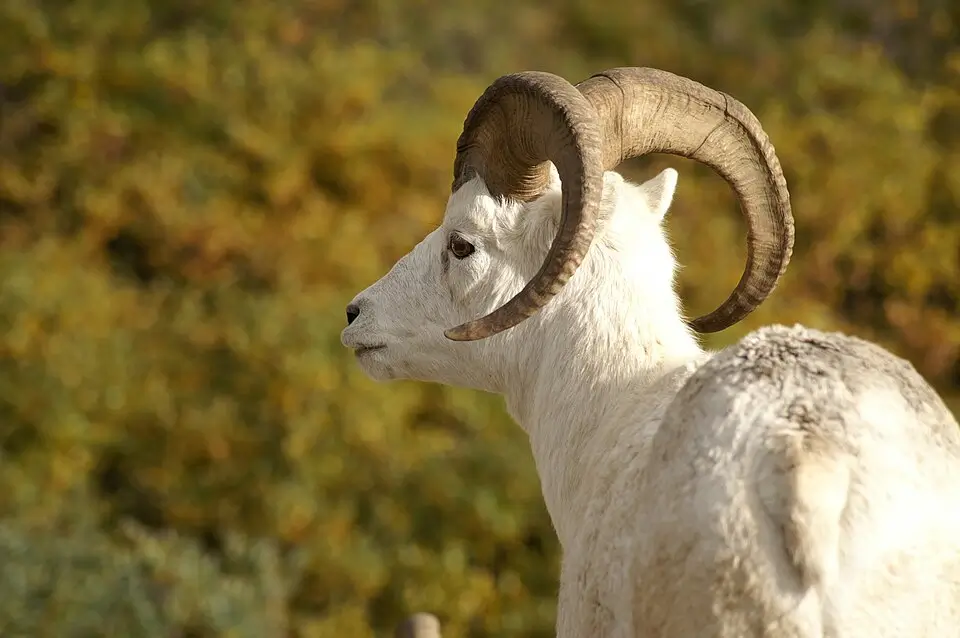
One of the most immediately striking features of the Dall sheep is its coat. The most widely recognized subspecies, Ovis dalli dalli, displays a pure white coat throughout the year, which provides remarkable camouflage against snow-covered terrain during winter months and makes it visually distinctive during the warmer seasons. A second recognized subspecies, the Stone sheep (Ovis dalli stonei), found primarily in British Columbia and the southern Yukon, exhibits a darker coloration ranging from dark brown to nearly black, with white facial and rump patches. The Fannin sheep, sometimes considered a distinct population or natural hybrid, displays intermediate coloration.
Both rams and ewes carry horns, though the horns of rams are dramatically larger and more pronounced. Rams develop massive, curling horns that grow throughout their lifetimes and are used as a key indicator of age by hunters, biologists, and wildlife managers. A full-curl horn — where the tip of the horn reaches or exceeds the level of the bridge of the nose when viewed from the side — is generally considered a benchmark of maturity and is commonly used in hunting regulations as a legal standard in many areas. Ewes carry shorter, more slender, slightly curved horns that lack the dramatic sweep of the rams.
Dall sheep are relatively lean, lightly built animals compared to some other mountain ungulates. Rams are notably larger than ewes, with mature rams typically outweighing females by a substantial margin. Like all wild sheep, Dall sheep have specialized hooves with hard outer edges for gripping rock and softer inner pads that provide traction on uneven surfaces — an evolutionary adaptation perfectly suited to their precipitous mountain environment.
Socially, Dall sheep exhibit a degree of sexual segregation. Outside of the breeding season, or rut, rams tend to associate in bachelor groups while ewes, lambs, and younger males form separate nursery bands. The rut typically occurs in late autumn and early winter, during which rams compete for access to ewes through dramatic displays of dominance and head-to-head clashing that can be heard echoing across mountain valleys.
Lambs are born in spring, typically from late May through June, at a time when nutritious vegetation is beginning to emerge at lower elevations. Ewes seek out rugged, cliff-side terrain for lambing, providing natural protection against predators such as wolves, bears, golden eagles, and wolverines. Dall sheep are known to be vigilant animals, relying heavily on their exceptional eyesight and their intimate knowledge of escape terrain to evade predators.
Habitat & Range
Dall sheep are distinctly northern animals. Their range encompasses some of the most remote and dramatic mountain terrain on the continent, spanning Alaska, the Yukon Territory, the Northwest Territories, and northern British Columbia. In Alaska — the heart of their range — Dall sheep inhabit mountain ranges including the Alaska Range, the Wrangell Mountains, the Chugach Mountains, the Talkeetna Mountains, the Kenai Mountains, and the Brooks Range, among others.
The species is closely associated with alpine and subalpine habitats, particularly areas characterized by steep, rocky terrain adjacent to open grasslands and meadows. This combination is critical: the rugged cliff faces and rocky outcroppings serve as escape cover from predators, while the grassy meadows, sedge communities, and willow shrubs nearby provide essential forage. Dall sheep are grazers and browsers, consuming a wide variety of grasses, sedges, forbs, and shrubby plants depending on the season and availability.
Seasonal movement is a hallmark of Dall sheep behavior. In summer, sheep may range to higher elevations where fresh, nutritious vegetation is abundant and insects are less troublesome. As winter arrives and snow accumulates, sheep tend to move to windswept ridges and slopes where snow is blown clear, exposing dried grasses and other plant material that sustain them through the harsh northern winter. These seasonal migrations, while not always long in distance, are critical to survival and reflect the species' deep familiarity with its mountain landscape.
Alaska, as the largest state in the United States and one that shares borders with Canada's Yukon Territory and British Columbia, provides a vast, largely undeveloped expanse of mountain habitat that supports healthy Dall sheep populations. The state's sheer scale — covering hundreds of thousands of square miles of wilderness — means that much of the sheep's core habitat remains intact and relatively undisturbed, a fortunate circumstance for a species that is sensitive to human encroachment and habitat disturbance.
Hunting Information
Dall sheep hunting is widely regarded as one of the most demanding and prestigious pursuits available to North American hunters. It is often grouped together with other mountain sheep species — Rocky Mountain bighorn, desert bighorn, and Stone sheep — as part of what is known as the "Grand Slam" of North American wild sheep, a coveted achievement pursued by dedicated sportsmen and sportswomen across the continent.
The physical demands of a Dall sheep hunt are considerable. The terrain in which these animals live is steep, remote, and often punishing. Hunters must be prepared for long approach hikes over rough ground, significant elevation gain, unpredictable weather, and the logistical challenges of accessing some of the most remote wilderness on earth. Many Dall sheep hunts in Alaska involve fly-in access to remote camps, followed by several days of glassing, stalking, and hiking through challenging alpine country.
In Alaska, Dall sheep hunting is a regulated activity managed by the Alaska Department of Fish and Game. Hunters are required to obtain appropriate licenses and tags, and hunting seasons, legal requirements, and area-specific regulations are established to ensure sustainable harvest levels that do not negatively impact sheep populations. Because specific current season dates, license fees, and regulatory details are subject to change and were not available in our source data at the time of writing, prospective hunters are strongly encouraged to consult the Alaska Department of Fish and Game directly for the most current and accurate regulatory information before planning any hunt.
Non-resident hunters in Alaska are generally required to be accompanied by a licensed guide or a close family member who is an Alaska resident when hunting Dall sheep, reflecting the state's commitment to both safety and conservation. This requirement makes guided hunts a common choice for hunters traveling to Alaska from other states or countries, and a strong guiding industry has developed around Dall sheep hunting in the state.
The trophy quality associated with Dall sheep, particularly mature rams with large, full-curl horns, makes this one of the most sought-after big game animals in North America. The combination of physical challenge, breathtaking scenery, and the pursuit of a truly magnificent animal makes a Dall sheep hunt a deeply meaningful experience for those who undertake it.
Conservation
The conservation status of Dall sheep is generally considered stable across much of their range, though populations can be sensitive to a variety of environmental factors. Harsh winters with significant ice-over events — where rain falls on snow and freezes, locking forage beneath an impenetrable crust — can cause significant mortality, particularly among younger animals and older individuals in weakened condition. Disease, predation pressure, and habitat disturbance also play roles in local population dynamics.
Wildlife managers in Alaska and Canada monitor Dall sheep populations through aerial surveys, harvest reporting, and ongoing research programs. These efforts help ensure that hunting regulations remain appropriately calibrated to sustainable harvest levels and that population trends are identified and responded to in a timely manner.
Hunter-funded conservation programs, including those supported by organizations such as the Wild Sheep Foundation, have contributed meaningfully to Dall sheep research, habitat protection, and management initiatives over the years. The culture of conservation that is deeply embedded in the North American hunting community plays an important role in the long-term stewardship of Dall sheep and their mountain habitats.
Climate change represents an emerging consideration for Dall sheep conservation. Shifts in precipitation patterns, changes in vegetation communities, and alterations to the timing of seasonal events all have the potential to affect sheep in ways that wildlife managers and researchers are actively working to understand and address.
The enduring presence of Dall sheep across the vast mountain ranges of Alaska and northwestern Canada is a testament to both the resilience of the species and the effectiveness of conservation-minded wildlife management. For as long as wild, rugged mountains exist in the North, these remarkable white sheep will remain among their most celebrated inhabitants.